
Family-Owned Manufacturer · Holland, Michigan, USA · Since 1963 Customer Service: +1-616-355-2451
0%

Choosing the right Dock Mount AquaSweep in 2026 requires more than comparing prices and motor ratings. Dock owners must consider water flow, debris density, mounting strength, maintenance access, and local operating conditions. A quiet lake with floating leaves needs a different setup from a busy marina facing wind-driven plastic and algae.

The scale of the problem is substantial. UNEP’s From Pollution to Solution report estimates that 19 to 23 million tonnes of plastic waste enter aquatic ecosystems annually. NOAA’s Marine Debris Program also links most marine debris to land-based sources. These findings support practical debris-control equipment near docks, where litter often gathers against pilings, ladders, and shoreline edges. However, a Dock Mount AquaSweep is not a complete pollution solution. It captures selected floating materials, but it cannot replace responsible waste handling or broader watershed management.

This buying guide examines capture performance, energy use, corrosion resistance, installation requirements, and long-term service needs. It also considers real dock conditions, including rope tangles, rain-swollen leaves, changing water levels, and limited electrical access. Manufacturer claims deserve careful testing. Independent inspection matters more than polished brochures. Some specifications may look impressive but remain difficult to verify without field data. That uncertainty deserves attention. Buyers should compare warranty terms, replacement-part availability, safety features, and cleaning frequency before committing. The best choice is not always the strongest unit. It is the system that performs reliably, fits the dock structure, and remains manageable after months of wet, dirty operation.

2026 Top Dock Mount AquaSweep Buying Guide?

What Is a Dock-Mount AquaSweep and How Does It Work?

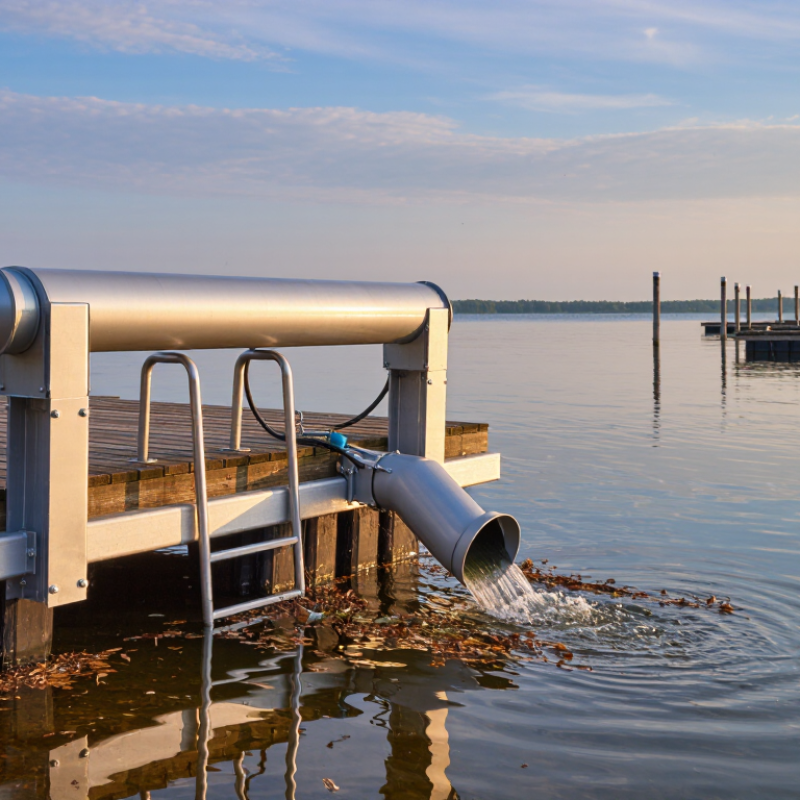
A dock-mount AquaSweep is a floating debris-collection system attached beside a pier or dock. It uses a low-voltage pump to pull surface water toward a screened intake. Leaves, pollen, and small plastic fragments gather in a removable basket. Cleaner water returns through an outlet, creating gentle circulation around the dock. Unlike a hand-operated skimmer, it works continuously while people use the waterfront. The unit does not clean every depth. That limitation matters.

In practical use, installation starts with a stable bracket, adequate water depth, and a nearby protected power source. The intake should face the prevailing flow, but wind can change surface movement within minutes. I would check the basket daily during autumn or after storms. A full basket reduces circulation and may overwork the pump. Rinse the screen with clean water, inspect the cable, and listen for rattling or dry running. Never treat the device as a substitute for safe swimming supervision.

When comparing models, examine intake area, basket capacity, pump output, noise, corrosion resistance, and replacement-part availability. Ask how the mount handles changing water levels and winter storage. Performance figures often reflect calm, ideal conditions. Real docks are messier. Hands-on maintenance shows that easy cleaning access matters more than impressive flow numbers. A slightly imperfect fit can cause vibration, so measure the dock edge before ordering. Record cleaning and seasonal wear carefully.

Key Features to Compare in Dock-Mount AquaSweep Models

2026 Top Dock Mount AquaSweep Buying Guide

When comparing dock-mount AquaSweep models, start with cleaning coverage and water movement. A wider intake can clear more floating debris, but it may need stronger motor performance. Check the rated flow, operating depth, and recommended dock size. Compact docks often benefit from adjustable arms and smaller intake baskets. Stainless hardware helps resist corrosion near saltwater. However, material claims should be supported by clear specifications, not vague advertising.

Mount stability matters during wind, waves, and repeated use. Look for adjustable brackets, secure locking points, and hardware that can be inspected without special tools. Compare power options carefully. A low-voltage system may simplify installation, while solar-assisted models can lose performance during cloudy periods. Review noise levels too. A powerful unit is not ideal if it disturbs quiet waterfront areas. I once focused too much on cleaning speed and underestimated maintenance access. That was a costly oversight.

Tips: Measure the dock edge before ordering. Test whether the basket can be removed from above the water. Ask about replacement parts, motor protection, and service support. Keep a simple inspection log after storms. Also, compare warranty terms and installation guidance. Some models look similar, yet their mounting limits differ significantly. Check every number twice.

How to Choose AquaSweep Size, Capacity, and Cleaning Coverage

Choosing a dock-mount AquaSweep starts with the waterline, not the product label. Measure the dock length, width, and nearby debris path after wind or rain. A narrow basin may need less coverage but more frequent collection. An open shoreline needs wider intake coverage and stronger circulation. NOAA’s Marine Debris Program identifies stormwater, runoff, and wind as major debris pathways. That makes local conditions more important than advertised capacity.

Capacity should match debris volume between service visits. Record leaves, foam, fishing line, and floating waste for seven days. Measure the collected volume, then allow roughly 25% extra space for busy periods. This buffer is practical, although my first estimates were often too low after storms. Industry data from the National Marine Manufacturers Association reports over 56 million Americans participate in recreational boating annually. Busy docks can therefore generate faster debris accumulation than quiet residential slips. Check the collection basket without leaning over the dock. Safety and access matter.

Tip: Select coverage that reaches the busiest debris lane, not the entire shoreline. Confirm water depth, mounting clearance, power access, and replacement-part availability. The U.S. Environmental Protection Agency’s National Aquatic Resource Surveys show that many assessed waters face ecological stress, so gentle operation remains important. Avoid excessive flow that disturbs sediment or concentrates waste elsewhere. A smaller unit with reliable daily servicing may outperform a larger unit that is difficult to inspect. Recheck your choice after one month. Conditions change.

2026 Top Dock-Mount AquaSweep Buying Guide

Compare typical dock-mounted aquatic cleaning system sizes by recommended cleaning coverage and debris-container capacity. Choose a size based on the water area, debris load, and cleaning frequency of your site.

How to choose: Compact systems are suitable for small private docks and light debris. Standard and large systems provide greater daily coverage for marinas, waterfront facilities, and areas with moderate debris. High-capacity systems are better for extensive dock networks or locations with heavy seasonal debris, where fewer collection cycles are preferred.

Installation, Power Options, and Dock Compatibility Explained

A dock-mounted AquaSweep system should fit the dock, not merely sit beside it. Measure the dock edge, mounting points, water depth, and nearby boat clearance before ordering. Check whether the bracket suits wood, aluminum, composite, floating, or fixed docks. Wave movement matters too. A rigid dock may need different hardware from a floating platform.

Installation is easier when the mounting surface is level and strong. Use corrosion-resistant fasteners approved for outdoor water exposure. Keep cables away from walkways, hinges, and sharp edges. Power choices usually include a nearby AC outlet, a rechargeable battery, or a solar-assisted setup. AC power supports longer operation, but the outlet and protection system must be suitable for wet locations. Batteries offer cleaner installation, although charging frequency can become inconvenient. Solar power sounds simple, yet shade and winter weather may reduce performance.

Tips: Photograph the dock before installation. Mark the waterline and cable route with removable tape. Confirm voltage, connector type, bracket width, and maximum load. Leave space for cleaning and seasonal removal. Do not force a fitting that feels almost compatible. That “almost” can become expensive. I would also test the system during calm conditions before relying on it near swimmers or valuable equipment. A perfect fit is rare; careful measurement prevents most regrets.

Safety, Maintenance, and Long-Term Ownership Considerations

2026 Top Dock-Mount Aqua Sweep Buying Guide

A dock-mounted aqua sweep system should protect people before it improves convenience. Choose a model with stable brackets, rounded edges, and secure locking points. Check the dock’s load capacity first. Never assume older timber or composite decking can support extra equipment. A qualified installer can identify weak boards, hidden corrosion, or unsafe mounting angles.

Routine maintenance affects safety and ownership costs. Rinse exposed parts with fresh water after use, especially near saltwater. Inspect fasteners, hinges, collection screens, and flotation components every few weeks. Remove leaves before they harden into heavy, slippery buildup. Keep moving parts free from tangled line and debris. Follow the operating instructions, but also watch for unusual vibration or scraping. These signs often appear before serious damage.

Tips: Keep a small inspection log. Record cleaning dates, loose hardware, and replacement parts. Store removable components in a dry, shaded area. Avoid harsh chemicals that may weaken seals or damage protective coatings. Test the system during calm conditions before relying on it near swimmers. One easily missed detail is drainage; trapped water can increase weight and accelerate corrosion. Even careful owners sometimes delay minor repairs. That usually costs more later. A realistic long-term budget should include seasonal servicing, replacement hardware, and occasional professional inspections. Simpler designs may be easier to maintain, although they can offer fewer convenience features. Consider that trade-off honestly.

FAQS

What is a dock-mounted floating debris collector?

It is a floating system attached beside a dock or pier. It pulls surface water through a screened intake.

What debris can it collect?

It gathers leaves, pollen, and small plastic fragments in a removable basket. It does not clean every depth.

How does the system move water?

A low-voltage pump draws surface water inward. Cleaner water returns through an outlet, creating gentle circulation.

Where should the intake face?

The intake should face the usual water flow. Wind can change surface movement within minutes, so placement may need adjustment.

How often should the basket be checked?

Check it daily during autumn or after storms. A full basket reduces circulation and can overwork the pump.

What maintenance does the unit require?

Rinse the screen with clean water. Inspect the cable and listen for rattling or dry running. Keep a simple inspection log.

Which features matter when comparing models?

Compare intake size, basket capacity, pump output, noise, corrosion resistance, and replacement-part availability. Easy cleaning access may matter more than high flow numbers.

How can buyers avoid installation problems?

Measure the dock edge before ordering. Check water depth, bracket stability, power access, and changing water levels. Measure twice.

Are solar-assisted systems always reliable?

No. Cloudy periods can reduce performance. Review power requirements and expected operating conditions before choosing one.

Can this system replace swimming supervision?

No. It only collects floating debris near the dock. Safe swimming supervision remains necessary. That limitation matters.

Conclusion

This 2026 buying guide explains what a Dock Mount AquaSweep is and how it helps collect floating debris around docks, slips, and waterfront access areas. It outlines how the system operates, what features matter most, and how to compare models by collection capacity, cleaning coverage, debris-handling performance, durability, and ease of use. Readers will also learn how to select an appropriate size based on water conditions, dock dimensions, debris levels, and expected cleaning frequency.

The guide further examines installation requirements, power options, mounting methods, and compatibility with different dock designs. It also highlights important ownership considerations, including safe operation, routine inspections, debris removal, seasonal storage, corrosion prevention, and replacement-part availability. By reviewing these factors together, buyers can choose a practical and reliable Dock Mount AquaSweep that matches their waterfront environment, maintenance preferences, and long-term cleaning needs.

Amelia

Amelia

Amelia is a professional marketing specialist with a deep understanding of the company’s products, their features, and the needs they are designed to serve. She regularly contributes expert articles to the company website, offering clear, practical insights that help readers make informed decisions......