Market Outlook 2025–2030 Future Procurement Trends in Global Commercial Aeration
As corporate sustainability goals, municipal ESG metrics, and environmental regulations tighten worldwide, B2B buyers must anticipate major shifts in water management procurement over the next decade. Sourcing decisions made today must account for operational longevity, power efficiency, and ecological safety.
1. Transition Away from Oil-Filled Motors to Submersible Oil-Free Engineering
Historically, low-cost surface aerators utilized oil-filled electric motors sealed with mechanical rubber o-rings. Over time, shaft wear or seal degradation leads to oil leaks directly into public or private water bodies—causing environmental contamination, legal liability, and costly equipment replacement. Global buyers are rapidly mandating oil-free submersible motor designs. Scott Aerator leads this transition by utilizing water-lubricated, sealed stainless steel motors that eliminate dielectric oil entirely. This ensures 100% compliance with strict municipal environmental standards and sensitive fish hatcheries.
2. High-Efficiency Motors & Smart Timer Control Integration
Electricity costs represent up to 70% of the total cost of ownership (TCO) over a fountain aerator’s 10-to-15-year lifecycle. Global buyers are prioritizing motor efficiency (high power factor, low amperage draw per GPM moved) combined with automated control panels, photocells, and smart WiFi/LoRaWAN timers. Operating display lighting only during peak evening hours while maintaining continuous aeration during night-time respiratory cycles reduces municipal utility expenditures significantly.
3. Integration of Off-Grid Solar & Microgrid Aeration Systems
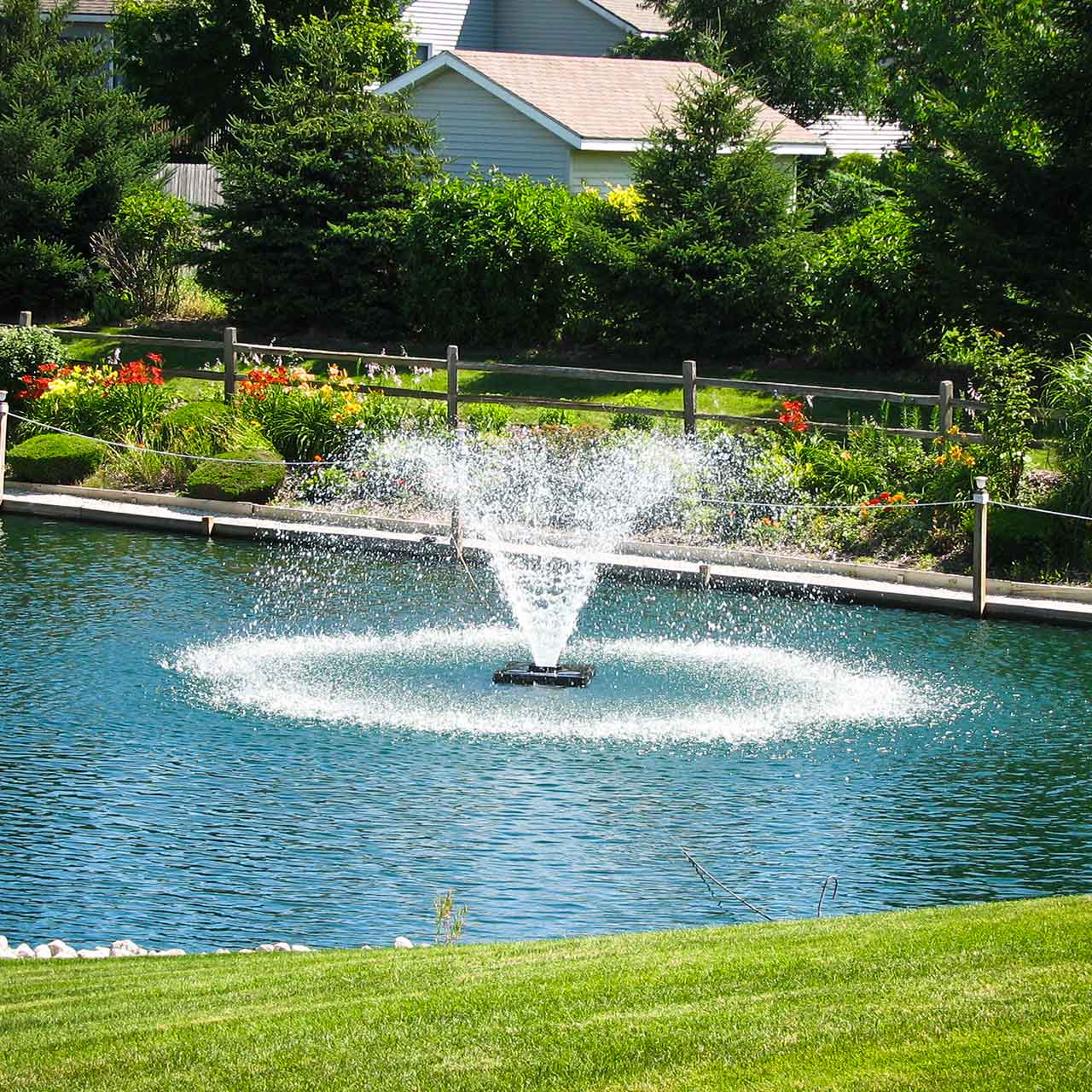
In remote real estate developments, agricultural impoundments, and municipal retention basins where trenching high-voltage AC utility lines is cost-prohibitive (often exceeding $20,000 per mile), off-grid solar-powered Display Fountain Aerators are witnessing unprecedented demand. Solar direct-drive aerators utilizing high-efficiency MPPT controllers allow continuous high-volume water turnover during daylight hours when photosynthetic oxygen production peaks.
4. ESG-Driven Algae & Muck Control without Chemical Copper Sulfate
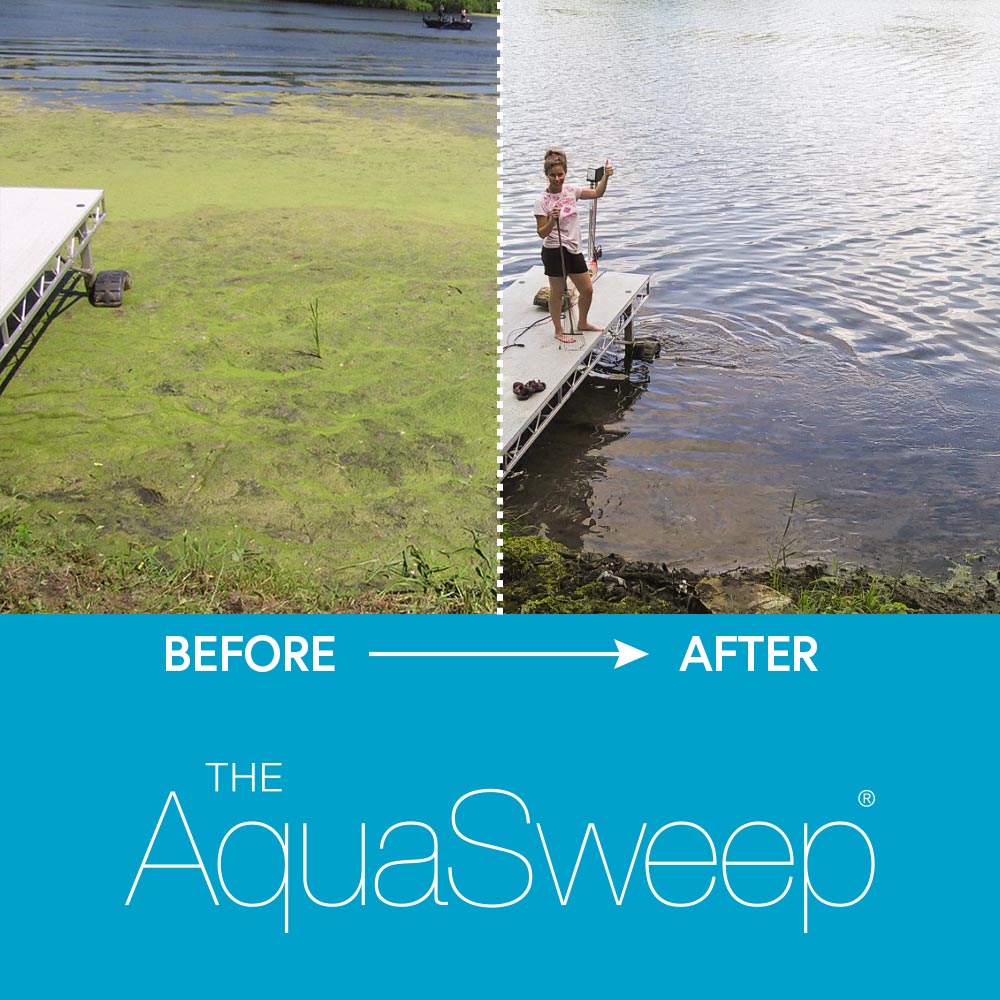
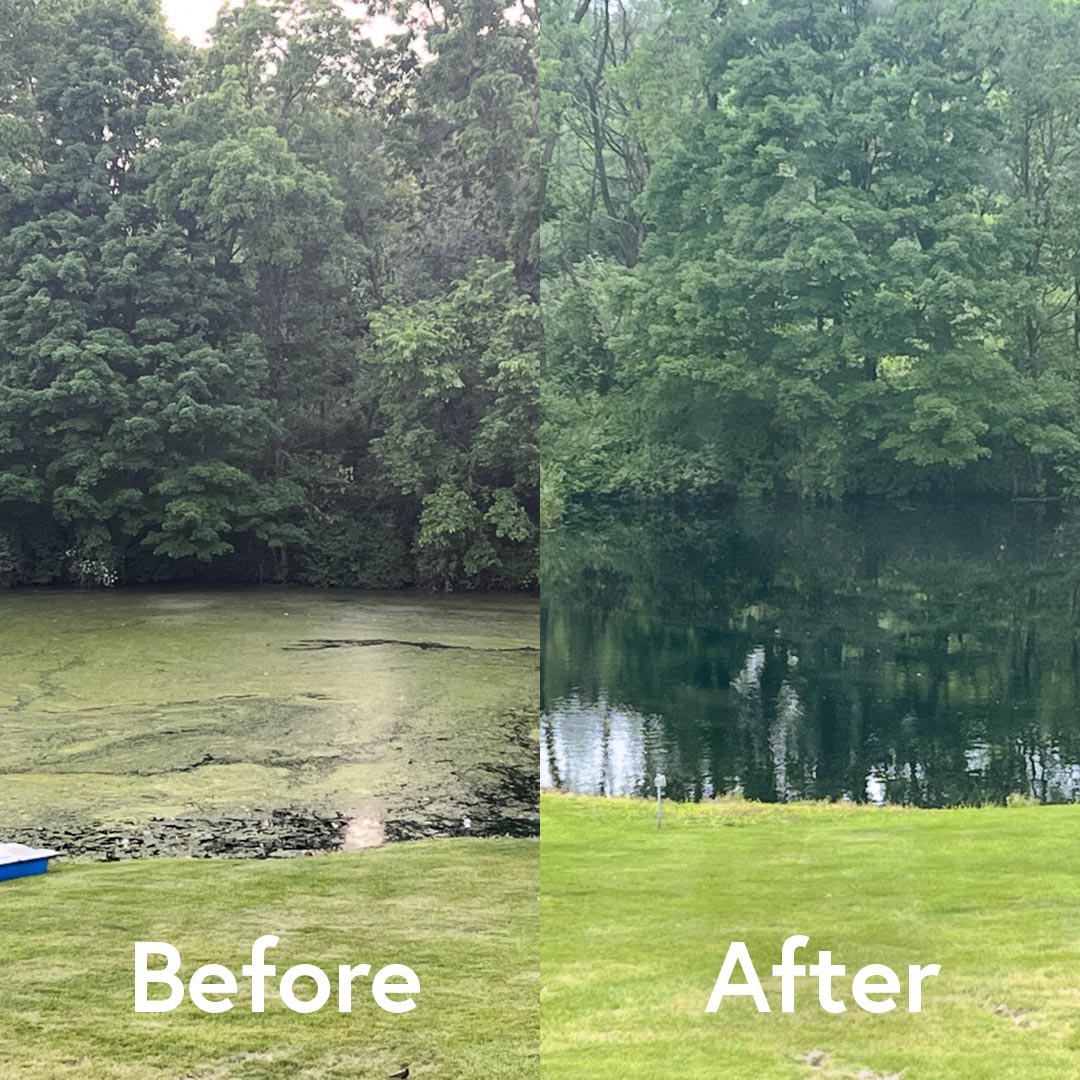
Regulatory bodies across North America, Europe, and Asia are increasingly restricting the use of copper-based algaecides due to long-term copper accumulation in aquatic sediments. B2B buyers are moving toward biological water restoration strategies where mechanical surface aeration serves as the core foundation, supported by eco-friendly bio-enzymes to digest nitrogen and phosphorus before harmful cyanobacteria blooms can take hold.