Technical Insight & Intent Analysis Why Global Buyers Are Transitioning to Solar Subsurface Aeration Systems
Managing expansive lakes, agricultural retention basins, golf course hazards, and municipal water bodies located far from grid infrastructure presents significant financial and logistical challenges. Running conventional AC electrical wiring to remote sites can easily cost thousands of dollars per mile in trenching, permitting, and copper wire expenses alone.
Solar Subsurface Aeration Systems solve this issue by pairing high-efficiency Maximum Power Point Tracking (MPPT) photovoltaic technology with ultra-durable, oil-less DC compressor engines and bottom-diffused micro-pore aeration grids. Instead of splashing surface water like conventional fountains, subsurface systems release compressed air at the bottom bed of the water column.
- Deep Thermal Destratification: Lifts thousands of gallons of oxygen-starved bottom water (hypolimnion) to the surface for continuous atmospheric oxygen exchange.
- Zero Running Utility Expenses: Harnesses free solar energy, delivering 100% carbon-neutral operational performance.
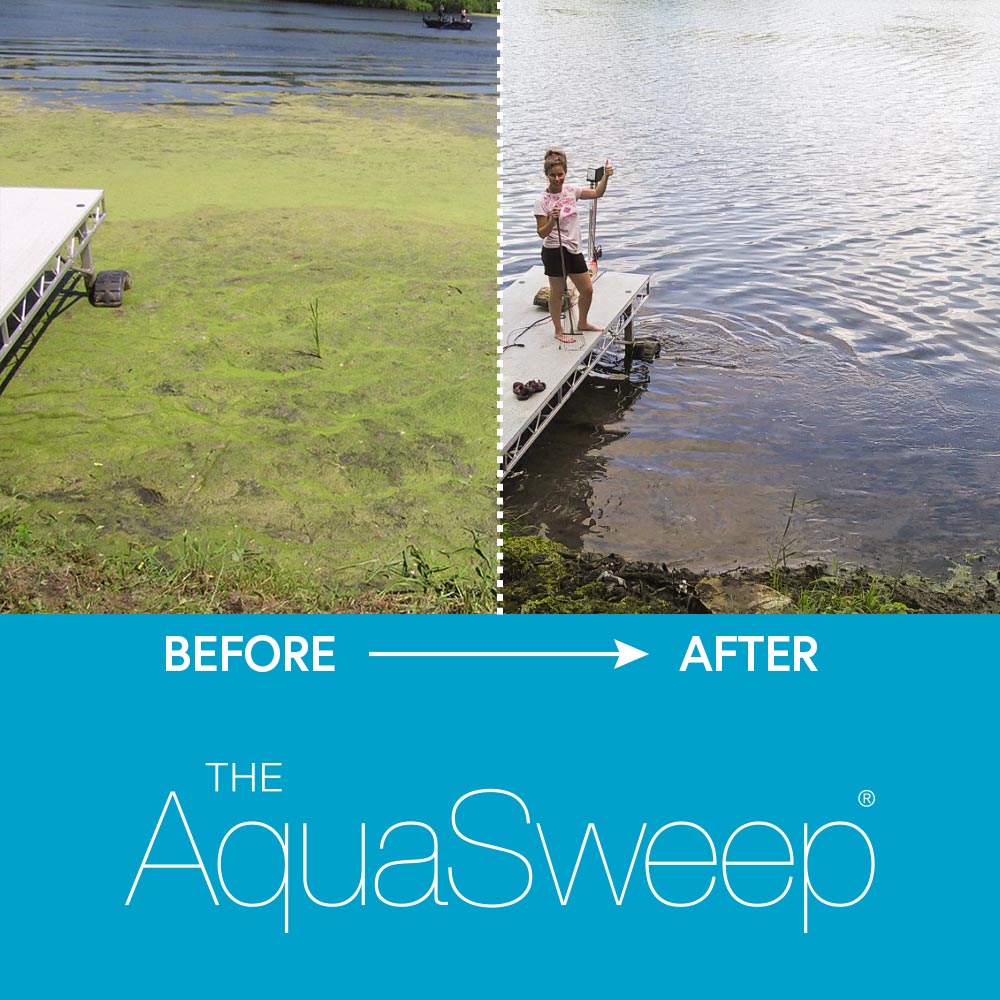
- Elimination of Harmful Algal Blooms (HABs): Starves blue-green algae by binding phosphorus to bottom sediments under aerobic conditions.
- Biological Muck Digestion: Supercharges beneficial aerobic bacteria to consume organic sludge and foul bottom odors.