Thermodynamic Physics & ROI Analysis Why Enterprise Procurement Focuses on Hydrodynamic Floating Pond De-Icers
In sub-zero winter climates, unmanaged ice formation inflicts catastrophic losses on commercial aquatic facilities, marinas, retention basins, and commercial fisheries. Global procurement officers are rapidly shifting away from legacy electric resistance heaters toward high-displacement hydrodynamic floating pond de-icers.
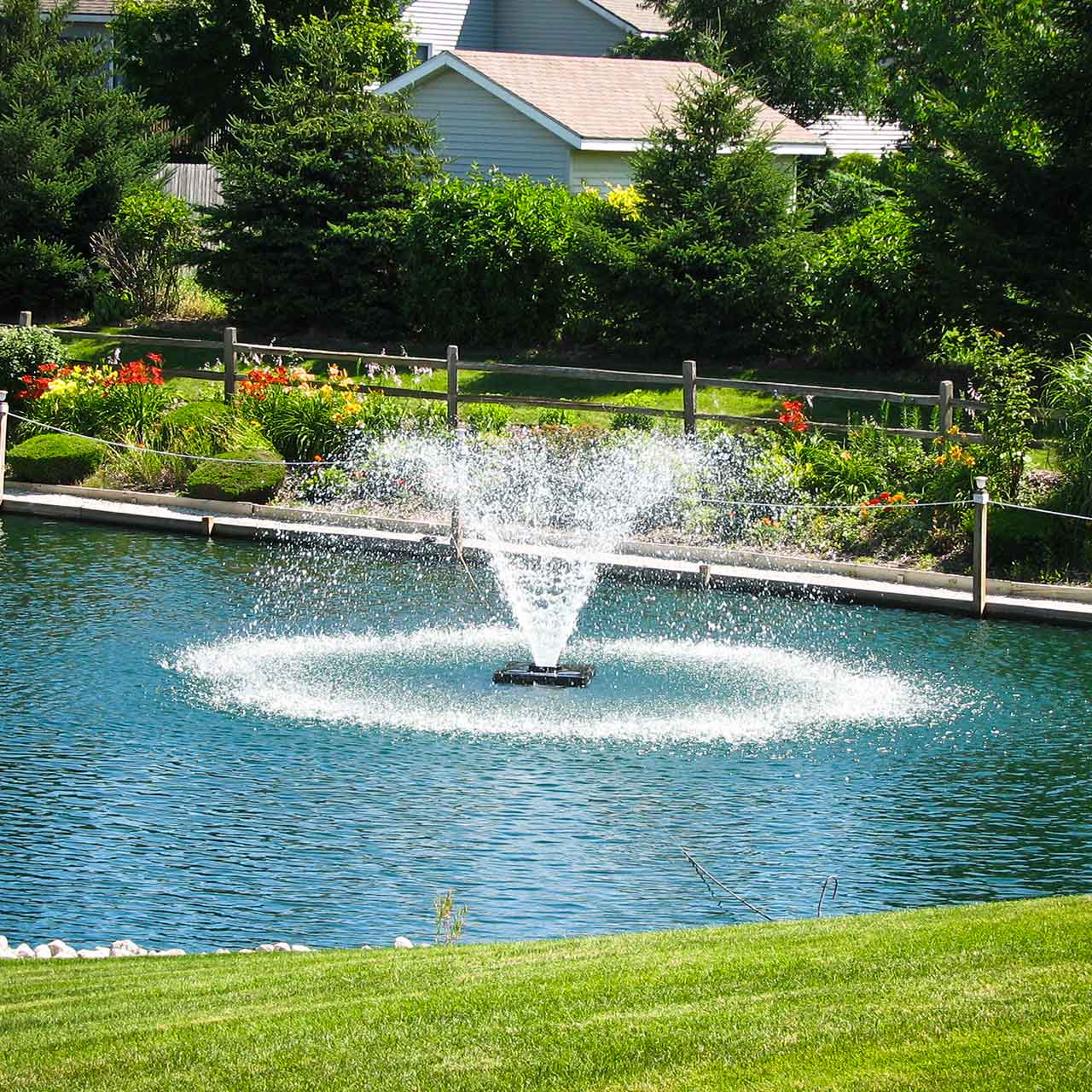
The engineering physics behind a commercial Floating Pond De-Icer relies on thermal density stratification. Water achieves its maximum density at 39°F (4°C) and sinks to the bottom of the water column. While surface temperatures plunge below freezing, this deep thermal reservoir retains ambient warmth. Hydrodynamic de-icers draw thousands of gallons per minute (GPM) of this 39°F bottom water upward, pushing it continuously across the freezing surface.
This continuous directional fluid transfer accomplishes two vital objectives that traditional heating elements cannot match: first, it physically melts surface ice over massive radiuses (up to 80 feet in diameter per unit); second, it continuously breaks surface tension to suppress ice crystallization altogether, operating at up to 75% lower electrical draw than thermal heater grids.
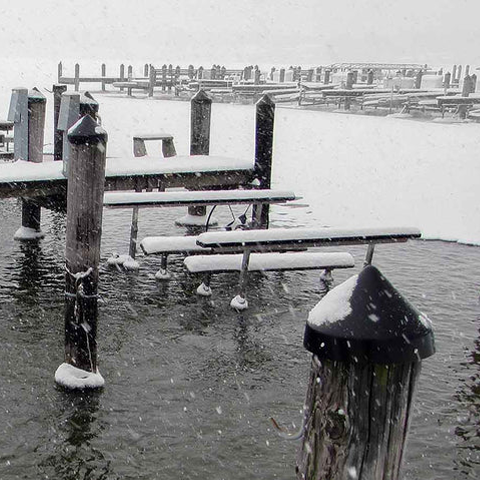
- Structural Asset Safeguarding: Prevents costly "ice jacking" and lateral pressure crushing on dock pilings, floating piers, seawalls, and pontoon systems.
- Biological Oxygen Preservation: Keeps open-water escape channels available to facilitate toxic gas exchange (H₂S, methane) and atmospheric oxygen transfer, preventing catastrophic winter fish kills.
- Industrial Infrastructure Continuity: Keeps intake pipes, municipal wastewater lagoons, and commercial cooling ponds operational through severe freeze cycles.