Family-Owned Manufacturer · Holland, Michigan, USA · Since 1963 Customer Service: +1-616-355-2451

Blog

Why Choose Commercial RGB LED Light Sets?

Why Choose Commercial RGB LED Light Sets?

Commercial RGB LED Light Sets can turn a storefront, event space, or hospitality venue into a more inviting environment. Their adjustable colors help businesses match seasonal displays, brand palettes, and changing event themes without replacing an entire lighting setup. A warm amber wash can soften a restaurant entrance, while brighter color accents can draw attention to a display window. Small changes matter. Choosing a set involves more than comparing color options. Consider the installation area, desired brightness, control method, and how the lights will be used each day. For outdoor applications, check the product’s stated weather-resistance rating and follow the manufacturer’s installation guidance. For indoor displays, think about glare, viewing distance, and whether the colors appear consistent across multiple fixtures. Practical details make a difference. Commercial RGB LED Light Sets may also offer programmable scenes, dimming, or timed operation, but features vary by product. Confirm compatibility with the intended controller before purchasing, and review power requirements, cable lengths, and warranty terms. These checks can prevent frustrating surprises during installation. Even a well-reviewed set may not suit every space; wall color, ambient light, and fixture placement can change the result. It is worth testing a sample layout before committing to a larger installation. The best choice is not necessarily the brightest or most feature-packed option. It is the set that delivers reliable, controllable lighting for the space, with manageable installation and maintenance needs.
Read more »
Charlotte By:Charlotte - November 1, 2026
Top Color Changing LED Fountain Lights Suppliers

Top Color Changing LED Fountain Lights Suppliers

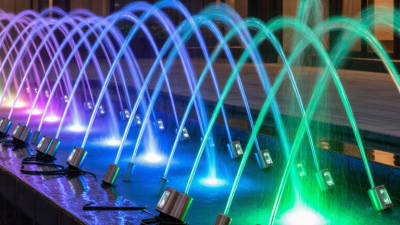
Choosing among the Top Color Changing LED Fountain Lights Suppliers requires more than comparing brightness or catalog photographs. A fountain may look impressive in a showroom, yet fail beside a hotel entrance after months of moisture, chemicals, and continuous operation. Experienced buyers examine waterproof construction, cable quality, heat management, lens clarity, and control-system compatibility. They also request testing records, warranty terms, replacement plans, and installation guidance. Small details matter. A loose connector can darken an entire water jet. Lighting artist James Turrell once said, “Light is not so much something that reveals, as it is itself the revelation.” His observation explains why Color-Changing LED Fountain Lights deserve careful design. The fixture should support the water, architecture, and viewing distance, rather than compete with them. Reliable suppliers understand beam angles, color consistency, DMX programming, RGBW performance, and safe low-voltage installation. They can explain how colors behave through moving water and nighttime mist. The strongest suppliers also provide practical evidence. Look for project photographs, maintenance records, photometric data, and clear technical drawings. Ask whether the stated brightness applies underwater or in laboratory conditions. That distinction can change expectations. No supplier is perfect, and no project is maintenance-free. Salt deposits, algae, and damaged seals still require attention. A thoughtful supplier admits these limitations and offers workable solutions. This guide compares leading providers through performance, service, documentation, and long-term value, helping buyers select lighting that remains vivid, controllable, and dependable after the opening ceremony.
Read more »

Evelyn By:Evelyn - October 27, 2026
2026 Top Dock Mount AquaSweep Buying Guide?

2026 Top Dock Mount AquaSweep Buying Guide?

Choosing the right Dock Mount AquaSweep in 2026 requires more than comparing prices and motor ratings. Dock owners must consider water flow, debris density, mounting strength, maintenance access, and local operating conditions. A quiet lake with floating leaves needs a different setup from a busy marina facing wind-driven plastic and algae. The scale of the problem is substantial. UNEP’s From Pollution to Solution report estimates that 19 to 23 million tonnes of plastic waste enter aquatic ecosystems annually. NOAA’s Marine Debris Program also links most marine debris to land-based sources. These findings support practical debris-control equipment near docks, where litter often gathers against pilings, ladders, and shoreline edges. However, a Dock Mount AquaSweep is not a complete pollution solution. It captures selected floating materials, but it cannot replace responsible waste handling or broader watershed management. This buying guide examines capture performance, energy use, corrosion resistance, installation requirements, and long-term service needs. It also considers real dock conditions, including rope tangles, rain-swollen leaves, changing water levels, and limited electrical access. Manufacturer claims deserve careful testing. Independent inspection matters more than polished brochures. Some specifications may look impressive but remain difficult to verify without field data. That uncertainty deserves attention. Buyers should compare warranty terms, replacement-part availability, safety features, and cleaning frequency before committing. The best choice is not always the strongest unit. It is the system that performs reliably, fits the dock structure, and remains manageable after months of wet, dirty operation.
Read more »
Amelia By:Amelia - October 22, 2026
What Are Floating AquaSweep Muck Blasters?

What Are Floating AquaSweep Muck Blasters?

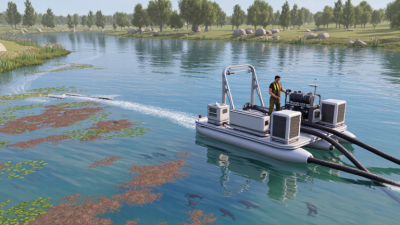
What Are Floating AquaSweep Muck Blasters? Floating AquaSweep Muck Blasters are specialized surface-cleaning systems designed to remove floating debris, organic sludge, and loose sediment from ponds, lakes, canals, and retention basins. Their floating platforms use pumps, intake screens, skimmer arms, or suction equipment to collect unwanted material without draining the entire water body. The exact design can vary widely. That detail matters. Dredging engineer Dr. Robert E. Randall has expressed a principle that fits this technology: “Effective dredging begins with understanding the material, the water, and the purpose of the work.” This view encourages operators to inspect muck depth, water movement, oxygen conditions, and nearby habitats before choosing equipment. A machine that works well in a shallow ornamental pond may struggle in a deep reservoir with compacted sediment. In practical use, Floating AquaSweep Muck Blasters can reduce surface buildup, improve water circulation, and make maintenance more controlled. Operators may guide the unit along a shoreline, collect floating vegetation, or target concentrated muck near an inlet. Performance still depends on maintenance. Clogged screens and overloaded collection chambers can quickly reduce efficiency. The term “muck blaster” sounds forceful. The process should not be. Responsible teams use gradual removal, careful discharge handling, and documented inspections. Results also deserve honest evaluation. Cleaner-looking water does not always mean healthier water. Sediment testing, ecological observation, and follow-up measurements provide stronger evidence. Even experienced operators can misjudge a site. That uncertainty should shape the plan, not be hidden.
Read more »
Amelia By:Amelia - October 17, 2026
What Is AquaSweep Muck Blasters and How Do They Work?

What Is AquaSweep Muck Blasters and How Do They Work?

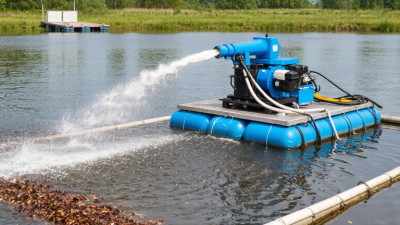
AquaSweep Muck Blasters are designed to help remove accumulated muck from ponds, lakes, canals, and other managed water areas. The term usually describes equipment that disturbs, loosens, and redirects soft sediment rather than simply scooping it away. Muck often contains decomposed leaves, algae, organic debris, and fine particles. It can create dark water, unpleasant odors, and poor bottom conditions. The equipment’s purpose is practical: improve circulation and support healthier aquatic environments. The operating principle is relatively straightforward. A powered unit uses water movement, air, mechanical agitation, or a combination of these actions. It breaks compacted deposits into smaller particles. Pumps or currents then move the loosened material toward a collection area, drainage zone, or treatment system. Some models work from the shoreline, while others operate on floating platforms or submerged frames. Exact performance depends on water depth, sediment thickness, flow conditions, and the equipment configuration. Small details matter. Real-world results are rarely instant. A heavily affected pond may need repeated treatment, careful monitoring, and follow-up maintenance. Operators should inspect water clarity, dissolved oxygen, nearby habitats, and discharge pathways before beginning. Manufacturer guidance remains essential because product names can describe different designs. The label is not always precise. A simple explanation can hide important variables. For that reason, this article examines what AquaSweep Muck Blasters are, how their working systems function, and where their practical limits appear. It also considers safe operating habits and realistic expectations, based on equipment principles rather than dramatic marketing claims. Some sediment may remain. That is normal.
Read more »
Charlotte By:Charlotte - October 12, 2026
How to Choose Slinger De-Icers for Global Buyers?

How to Choose Slinger De-Icers for Global Buyers?

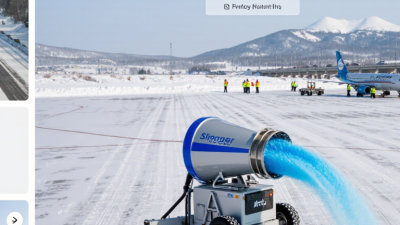
Choosing Slinger De-Icers for international operations requires more than comparing hopper capacity or purchase price. Buyers must examine spreading accuracy, corrosion resistance, loading access, road conditions, and after-sales support. A machine working beside a frozen airport apron faces different demands from one serving mountain roads or urban bridges. The details matter. The Federal Highway Administration’s Manual of Practice for an Effective Anti-Icing Program reports that suitable anti-icing strategies can reduce chemical use by approximately 25% to 75%. However, equipment must deliver the material consistently. Uneven application can leave untreated strips, waste salt, and increase environmental pressure. The U.S. Environmental Protection Agency also warns that excessive road salt can affect freshwater ecosystems and infrastructure. That risk is global. Dr. Wilfrid Nixon, a recognized winter-maintenance researcher, has stated, “There is no magic bullet.” His point remains important for Slinger De-Icers buyers. No single spreader suits every climate, carrier, or deicing material. Buyers should request field data, calibration procedures, corrosion warranties, and service records. ISO documentation helps, but it does not replace practical testing. A polished brochure is not enough. Regional regulations, operator training, and local material availability may change the final decision. Some buyers may overvalue payload and overlook discharge control. That is an easy mistake. A reliable selection process compares lifecycle cost, not only the initial invoice. Reports from FHWA and environmental agencies provide useful direction, yet real-world trials should confirm performance before large-scale procurement.
Read more »
Evelyn By:Evelyn - October 7, 2026
How to Choose Floating Pond De Icers in 2026?

How to Choose Floating Pond De Icers in 2026?

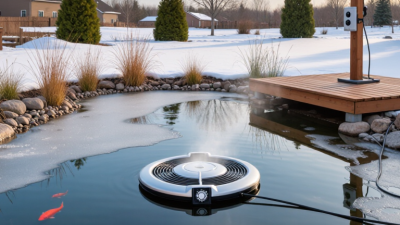
Choosing Floating Pond De-Icers in 2026 requires more than comparing wattage and price. A pond may look quiet, yet its surface can freeze overnight while water below remains active. NOAA reported that the contiguous United States experienced its warmest winter on record during 2023–2024, with an average temperature of 37.6°F. However, warmer winters do not eliminate sudden freezes. They often create unstable ice, repeated thawing, and uneven thermal conditions. The U.S. Environmental Protection Agency also identifies long-term changes in lake ice cover and winter patterns. These trends matter for ornamental ponds, koi ponds, and small farm reservoirs. Still, broad climate data cannot select one unit for every pond. That is where many buying guides become too confident. Pond size, local wind, water depth, fish density, and electrical access all influence performance. Freshwater ecologist Dr. David Schindler has offered a useful caution: “The best way to manage a lake is to keep people out of it.” His point supports a careful approach, not a careless dependence on equipment. A floating deicer should maintain an open breathing area, not melt the entire pond. Look for thermostat control, corrosion-resistant housing, grounded outdoor connections, and a clearly stated coverage range. A 1,500-watt model may suit a large exposed pond, while a smaller sheltered pond may need far less energy. Installation mistakes remain possible. Even an efficient Floating Pond De-Icers system can fail when wind moves it into shallow water or debris blocks circulation. This guide examines practical specifications, safety details, operating costs, and the compromises buyers may overlook in 2026.
Read more »
Amelia By:Amelia - October 2, 2026
How to Choose Subsurface Pond Aeration Systems

How to Choose Subsurface Pond Aeration Systems

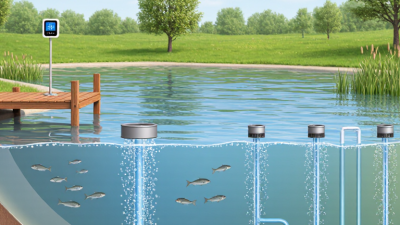
Choosing Subsurface Pond Aeration Systems is not simply a matter of buying the largest diffuser or the strongest compressor. A pond may look calm while oxygen levels fall sharply near the bottom. Fish may gather at the surface, water may develop a sulfur smell, and sediment can remain undisturbed. These signs require careful investigation, not quick guesses. Water depth, pond shape, organic loading, temperature, and seasonal oxygen demand all influence the right design. A reliable selection process begins with field measurements. Check dissolved oxygen at several depths, especially before sunrise. Record pond size, average depth, shoreline access, and available power. A shallow recreational pond needs different circulation than a deep aquaculture pond. Diffuser placement also matters. Poor positioning may leave stagnant corners or create unnecessary turbulence. Experienced installers examine these details before recommending equipment. Manufacturer data should support the decision, but site conditions must control it. No system is perfect. Energy use, noise, maintenance, and winter performance deserve equal attention. A lower-priced unit may cost more after repeated repairs or inefficient operation. Conversely, an oversized system can waste electricity and disturb sensitive habitats. I have found that simple plans sometimes work best, although they still need monitoring. Recheck oxygen levels after installation, inspect compressors, and clean air lines when performance declines. This guide explains how to compare Subsurface Pond Aeration Systems with practical evidence, realistic expectations, and room for correction.
Read more »
Amelia By:Amelia - September 25, 2026
Top 10 Dock Mount De-Icers for Global Buyers

Top 10 Dock Mount De-Icers for Global Buyers

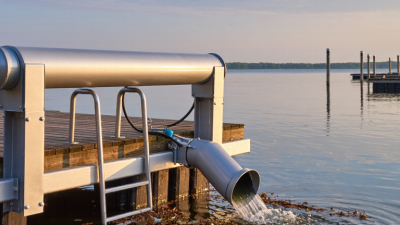
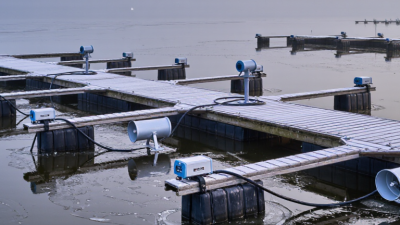
Winter docking is no longer a simple seasonal maintenance task. Ice can lock ladders, stress pilings, damage shore power, and delay loading schedules within hours. For global buyers, Dock Mount De-Icers must be evaluated against water movement, air temperature, salinity, dock design, and local energy costs. NOAA Great Lakes Environmental Research Laboratory records show that ice cover varies sharply between winters. That variability complicates purchasing decisions. A system sized for mild conditions may fail during a sudden freeze. An oversized unit may waste electricity and create unnecessary water disturbance. Small details matter, including cable protection, thermostat accuracy, mounting depth, and access for cleaning. Dr. Donald Perovich, a respected sea-ice researcher, has stated, “Sea ice is not a simple material.” That warning applies to dock equipment, too. Ice behaves differently around freshwater marinas, tidal harbors, and sheltered industrial berths. The U.S. Army Corps of Engineers also treats ice as a serious navigation and infrastructure factor in northern waterways. This guide compares ten Dock Mount De-Icers for international buyers. It considers heating performance, installation practicality, operating efficiency, corrosion resistance, and support availability. Certifications still require local verification. Product claims should not replace site testing or an engineer’s review. That may sound cautious, but winter failures are expensive. A quiet motor and compact housing mean little if the unit cannot keep a clear water pocket around a working dock.
Read more »
Evelyn By:Evelyn - September 25, 2026
Top Display Fountain Aerator Suppliers in China

Top Display Fountain Aerator Suppliers in China

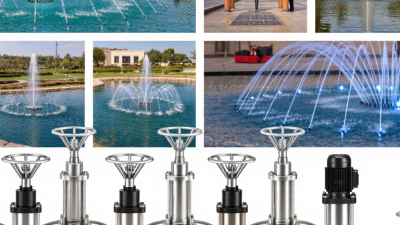
Choosing reliable Display Fountain Aerators requires more than comparing prices and product photographs. Buyers must assess water flow, spray height, motor efficiency, lighting performance, and installation conditions. This guide introduces leading display fountain aerator suppliers in China and explains how to evaluate their capabilities with practical care. Experienced suppliers usually provide detailed specifications, including nozzle diameter, pump power, operating depth, cable length, and recommended pond size. Stainless steel construction, sealed motor housings, and corrosion-resistant fasteners can improve service life. However, impressive specifications do not guarantee dependable performance. Request test videos, factory photographs, sample units, and recent project references before placing a large order. A professional supplier should also support design selection, wiring guidance, packaging, spare parts, and after-sales service. Buyers should verify applicable certifications and confirm compliance with local electrical and water safety requirements. Factory audits, third-party inspections, and clear warranty terms add useful protection. They also reveal weaknesses early. This overview focuses on suppliers with practical manufacturing experience, documented quality procedures, and responsive technical communication. It considers products for hotels, public parks, commercial plazas, resorts, and landscape projects. Real performance depends on water quality, maintenance, climate, and installation accuracy. No supplier is perfect. That matters. Careful comparison helps buyers avoid unsuitable equipment and build attractive fountain displays with more predictable operating results.
Read more »
Charlotte By:Charlotte - September 25, 2026