Choosing Subsurface Pond Aeration Systems is not simply a matter of buying the largest diffuser or the strongest compressor. A pond may look calm while oxygen levels fall sharply near the bottom. Fish may gather at the surface, water may develop a sulfur smell, and sediment can remain undisturbed. These signs require careful investigation, not quick guesses. Water depth, pond shape, organic loading, temperature, and seasonal oxygen demand all influence the right design.
A reliable selection process begins with field measurements. Check dissolved oxygen at several depths, especially before sunrise. Record pond size, average depth, shoreline access, and available power. A shallow recreational pond needs different circulation than a deep aquaculture pond. Diffuser placement also matters. Poor positioning may leave stagnant corners or create unnecessary turbulence. Experienced installers examine these details before recommending equipment. Manufacturer data should support the decision, but site conditions must control it.
No system is perfect.
Energy use, noise, maintenance, and winter performance deserve equal attention. A lower-priced unit may cost more after repeated repairs or inefficient operation. Conversely, an oversized system can waste electricity and disturb sensitive habitats. I have found that simple plans sometimes work best, although they still need monitoring. Recheck oxygen levels after installation, inspect compressors, and clean air lines when performance declines. This guide explains how to compare Subsurface Pond Aeration Systems with practical evidence, realistic expectations, and room for correction.
Understanding the Purpose of Subsurface Pond Aeration
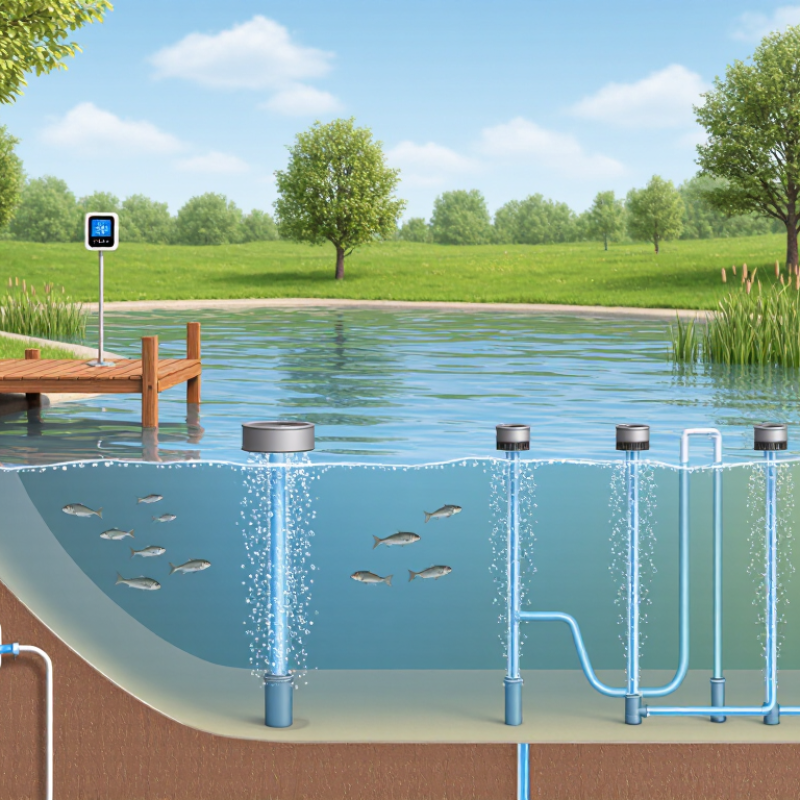
Subsurface pond aeration is meant to improve oxygen conditions throughout the water, especially near the bottom. Diffusers release fine bubbles that rise and move water with them. This circulation helps bring oxygen-rich surface water downward and reduces stagnant zones. The bubbles also transfer some oxygen directly into the water.
The need is often easiest to notice before sunrise, when dissolved oxygen can be lowest. Fish gathering near the surface, dark bottom muck, or a persistent rotten-egg smell may signal poor conditions. These signs are clues, not a diagnosis. A simple dissolved-oxygen test at different depths gives a clearer picture. Pond depth, shape, plant growth, and fish load all affect what the system needs.
Aeration can support natural breakdown of organic matter and make oxygen levels more consistent. It does not remove accumulated sludge or guarantee clear water. In a deep, stratified pond, starting a powerful system all at once may mix water layers too quickly and stress fish. A gradual startup is often more cautious, though each pond differs. Diffuser placement matters, too; a unit tucked into a shallow corner may leave deeper areas poorly circulated. Think of aeration as ongoing water management, not a quick fix. That distinction matters.
Assessing Pond Conditions and Aeration Requirements
Choosing a subsurface aeration system starts with the pond, not the equipment. Measure its surface area and depth at several points; an irregular pond can be deeper than it looks. Note fish numbers, aquatic plants, muddy areas, and any inflow. These details affect oxygen demand and water circulation. A shallow, plant-filled pond may have different needs from a deep pond with heavy fish stocking. One estimate rarely fits every corner.
Check dissolved oxygen near dawn, when levels are often lowest, and repeat readings during warm weather. A single afternoon reading can mislead. If possible, compare readings near the surface and close to the bottom; temperature differences may signal layering. Also note odor, cloudy water, and fish gathering at the surface. These signs can point to stress, but they do not replace testing. Match the system’s capacity and diffuser placement to the pond’s depth and shape, using reliable equipment specifications. I would still reassess after installation; the first layout may not circulate water evenly.
Tips: Keep a simple log of temperature, oxygen readings, and fish behavior. Check more often during hot spells or after heavy rain. Avoid placing diffusers without considering fish refuges and shallow areas. Small ponds can be surprisingly uneven.
Comparing Subsurface Aeration System Components
A subsurface pond aeration system depends on several parts working together. The compressor supplies air, while weighted tubing carries it across the pond bottom. Diffusers release bubbles into the water. Compare compressor output with diffuser requirements, not just the motor’s advertised power. Too little airflow can leave distant areas poorly mixed. An oversized unit may waste energy and create unnecessary maintenance. Airflow matters. Check tubing length, depth rating, and resistance before choosing a compressor.
Diffuser design affects bubble size and placement. Fine bubbles can transfer oxygen efficiently, but their pores may clog more readily. Coarser bubbles are often easier to maintain, though they may provide less contact time. Small parts count. Look for accessible filters, secure fittings, and a check valve that helps prevent water from flowing backward during shutdown. Controls also matter: a timer can reduce operating hours, but water conditions should guide its settings. A practical inspection includes listening for compressor strain and checking for uneven bubbling. There is no perfect component pairing. Even a carefully matched setup can underperform when tubing kinks or diffusers collect sediment, so allow for inspection and cleaning when comparing system designs.
Selecting Equipment for Pond Size and Depth
How to Choose Subsurface Pond Aeration Systems
Selecting Equipment for Pond Size and Depth
Pond area matters, but depth determines how much water a diffuser must circulate and how much air pressure it needs. Measure depth at several points, not just beside the bank. A deep basin may stratify, leaving cooler bottom water low in oxygen. A shallow pond may need less lift but still contain stagnant corners. Start with a pond map, average depth, and the deepest point. Small details matter.
Use dissolved oxygen as a sizing target, not acreage alone. The U.S. Environmental Protection Agency’s 1986 freshwater criteria set 5.5 mg/L as a 30-day mean criterion for warmwater aquatic life, with tighter criteria for sensitive life stages. That is a useful benchmark, not a universal operating prescription. Measure oxygen near dawn, when readings are often lowest, at both the surface and near the bottom. Check during warm weather, too. The bottom reading can surprise you.
Compare diffuser systems by airflow at operating depth, not just advertised horsepower. The ASCE/EWRI Standard 2-06 describes standardized clean-water oxygen-transfer testing; real pond transfer can differ with temperature, water quality, and depth. Ask for the rated airflow and pressure at your intended diffuser depth, then allow for airline losses. A rule-of-thumb estimate may help, but it is not a substitute for field measurements. I would size cautiously, then verify circulation and oxygen levels after installation. One overlooked corner can still remain stagnant.
How to Choose Subsurface Pond Aeration Systems – Selecting Equipment for Pond Size and Depth
Use these figures as preliminary planning ranges for diffused-air systems. Final sizing depends on pond shape, water quality, organic load, climate, diffuser specifications, and tubing length.
| Pond surface area |
Typical average depth |
Suggested diffuser count |
Approximate total airflow |
Indicative operating pressure |
Selection and placement guidance |
| 0.1–0.25 acre |
4–8 ft |
1–2 |
0.5–1.5 cfm |
About 2–5 psi |
Place diffusers in deeper water, away from shore and swimming areas. |
| 0.25–0.5 acre |
5–10 ft |
1–3 |
1–3 cfm |
About 3–6 psi |
Use multiple diffuser locations if the pond has an irregular shape or separate basins. |
| 0.5–1 acre |
6–12 ft |
2–4 |
2–5 cfm |
About 4–7 psi |
Balance diffuser spacing to promote circulation across the pond rather than concentrating bubbles in one area. |
| 1–2 acres |
6–12 ft |
3–6 |
4–8 cfm |
About 4–7 psi |
Choose a compressor rated to deliver the required airflow at the system’s actual operating pressure. |
| 2–5 acres |
8–15 ft |
5–10 |
8–15 cfm |
About 5–9 psi |
Consider separate air lines and balanced flow controls; confirm compressor capacity with a system design calculation. |
| More than 5 acres |
Variable |
Site-specific |
Site-specific |
Calculate from depth and system losses |
Obtain a pond-specific design that accounts for bathymetry, circulation targets, seasonal conditions, and electrical supply. |
Pressure and use notes: Water pressure increases by approximately 0.433 psi per foot of diffuser depth; tubing, fittings, and diffuser resistance add further losses. The pressure ranges above are indicative, not equipment specifications. In stratified ponds, begin operation gradually and monitor dissolved oxygen, since rapid mixing can bring low-oxygen bottom water to the surface.
Planning Installation, Operation, and Maintenance
Planning a subsurface pond aeration system begins with pond depth, shape, and seasonal use. Measure the deepest areas and note shelves, narrow coves, and likely diffuser locations. A system sized only by surface area may circulate water poorly. Match compressor output to diffuser depth and tubing length, using the manufacturer’s performance chart rather than guessing. Keep the compressor in a dry, ventilated place, and have a qualified professional check electrical connections. Small details matter.
Installation affects future maintenance. Secure weighted tubing so it will not drift or kink, and place diffusers where rising bubbles can move water without stirring bottom sediment. In deeper ponds, start aeration gradually, especially after warm weather, because sudden circulation can stress fish. Watch for uneven bubbling, unusual compressor heat, or changes in water clarity. Check it weekly. Real conditions may differ from the plan, so be ready to adjust diffuser placement.
Tips: Keep a simple log of operating hours, water temperature, and visible airflow. Clean or inspect diffusers as recommended, and check intake filters regularly. Before winter, decide whether the system will run continuously or be adjusted; local conditions and pond depth matter. A missed inspection happens, but a recurring calendar reminder helps.
Conclusion
Choosing Subsurface Pond Aeration Systems begins with understanding what aeration should accomplish, such as improving oxygen distribution, supporting aquatic life, and reducing stagnant areas. Before selecting equipment, assess the pond’s size, depth, shape, water conditions, and seasonal needs. These factors help determine the required airflow and the best placement for effective circulation.
Compare key components, including the air pump, tubing, diffusers, and controls, and choose equipment suited to the pond’s dimensions and operating conditions. Deeper or larger ponds may require different configurations than small, shallow ones. Plan the installation so components are accessible and positioned appropriately, then establish a routine for checking airflow, cleaning diffusers, and maintaining the pump. Careful planning and regular upkeep can help create reliable aeration and support healthier pond conditions over time.