
Family-Owned Manufacturer · Holland, Michigan, USA · Since 1963 Customer Service: +1-616-355-2451
0%

AquaSweep Muck Blasters are designed to help remove accumulated muck from ponds, lakes, canals, and other managed water areas. The term usually describes equipment that disturbs, loosens, and redirects soft sediment rather than simply scooping it away. Muck often contains decomposed leaves, algae, organic debris, and fine particles. It can create dark water, unpleasant odors, and poor bottom conditions. The equipment’s purpose is practical: improve circulation and support healthier aquatic environments.

The operating principle is relatively straightforward. A powered unit uses water movement, air, mechanical agitation, or a combination of these actions. It breaks compacted deposits into smaller particles. Pumps or currents then move the loosened material toward a collection area, drainage zone, or treatment system. Some models work from the shoreline, while others operate on floating platforms or submerged frames. Exact performance depends on water depth, sediment thickness, flow conditions, and the equipment configuration. Small details matter.

Real-world results are rarely instant. A heavily affected pond may need repeated treatment, careful monitoring, and follow-up maintenance. Operators should inspect water clarity, dissolved oxygen, nearby habitats, and discharge pathways before beginning. Manufacturer guidance remains essential because product names can describe different designs. The label is not always precise. A simple explanation can hide important variables. For that reason, this article examines what AquaSweep Muck Blasters are, how their working systems function, and where their practical limits appear. It also considers safe operating habits and realistic expectations, based on equipment principles rather than dramatic marketing claims. Some sediment may remain. That is normal.
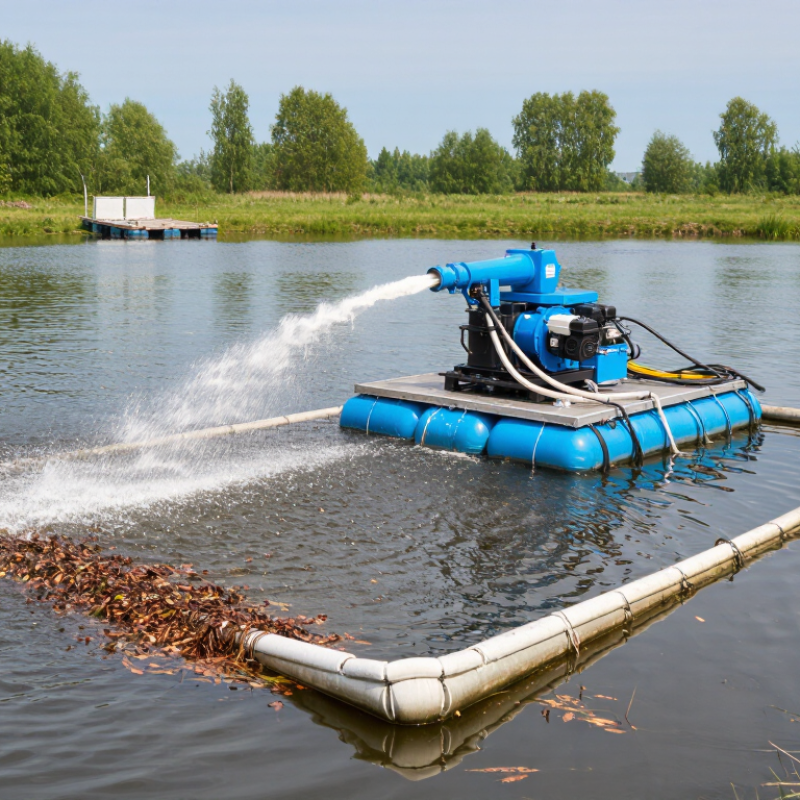
What Is AquaSweep Muck Blasters and How Do They Work?

What AquaSweep Muck Blasters Are

What Muck Blasters Are

Muck blasters are compact water-treatment devices designed to loosen and move settled organic debris. They are used in ponds, tanks, canals, and other managed water areas. Muck usually contains decomposed leaves, fine silt, algae remains, and animal waste. Over time, this material forms a soft, dark layer on the bottom.

Most units use directed water flow, air injection, or both. The movement breaks apart compacted deposits and lifts small particles into suspension. Beneficial microorganisms can then digest some organic matter, while filtration or controlled circulation removes the remaining solids. Performance depends on water depth, temperature, oxygen levels, and the thickness of the muck. It is not an instant cleaning machine. In heavily neglected ponds, improvement may take several treatments. I have also seen users expect clear water immediately, which is an understandable but unrealistic assumption.

Tips: Measure the muck depth before operating. Mark the water’s clarity each week. Start with shorter sessions, especially around fish or aquatic plants. Avoid stirring large areas during very hot weather, since sudden oxygen changes can stress wildlife. Check the intake and outlets often. A blocked screen can reduce circulation quickly. If the water smells strongly of rotten eggs, professional testing is sensible. Results can vary, and that uncertainty deserves attention.

The Main Components and Their Functions

Muck Blasters: Main Components and Their Functions

Muck-removal systems use several parts to loosen, collect, and move organic sediment from ponds or shallow water. The intake head sits near the bottom and draws in soft sludge, leaves, and fine debris. Some models include rotating brushes or water jets that disturb compacted muck before suction begins. This step matters because settled material can resist a simple vacuum.

The pump creates the pressure needed to move the mixture through an intake hose. A properly sized pump keeps the flow steady without damaging delicate liners or disturbing nearby plants. The discharge hose then carries the material to a collection area, filter bag, or settling container.

A screen or debris basket protects the pump from sticks and larger objects.

Small details matter here.

A control unit manages starting, stopping, and flow adjustments. Many systems also use floats or stabilizing frames to keep the intake at a consistent depth. In practical use, operators should work slowly and inspect the water after each pass. Fast movement can stir sediment throughout the pond, reducing visibility and making the job harder.

The process is not perfectly clean.

Fine particles may remain suspended for hours, especially after heavy removal. That assumption can fail. Water temperature, sediment thickness, and pump condition all affect performance.

Routine hose checks and cleaning the intake screen help prevent weak suction and unnecessary strain.

How the Muck Removal Process Works

Muck blasters are pond-maintenance systems designed to loosen and remove soft organic sediment. The process usually begins with a depth survey. Technicians mark shallow zones, inflow points, and areas with black, sulfur-smelling muck. A pump then directs water through a low-pressure jet or suction head. The flow breaks apart compacted sludge without aggressively scraping the pondbed. Suspended material moves toward a collection point, where screens, settling tanks, or dewatering bags separate water from solids.

The method matters because sediment can carry nutrients and reduce oxygen levels. The U.S. EPA’s 2017 National Lakes Assessment reported poor biological condition in 21% of assessed lakes. Its findings connected degraded conditions with nutrients, habitat disturbance, and sediment-related stress. NOAA’s annual Gulf hypoxia assessments also show how nutrient-rich runoff can contribute to large low-oxygen zones. A small pond follows the same basic chemistry, only on a smaller scale.

Good operators remove material in sections, monitor water clarity, and test dissolved oxygen during treatment. That detail is easy to overlook. Excessive jetting can spread pollutants, disturb habitat, or leave fine particles suspended for days. Removal also works better when the nutrient source is corrected, such as leaking septic systems, bare soil, or uncontrolled runoff. Results are not always neat. Organic muck may return if leaves, algae, and sediment keep entering the basin. A careful inspection after several weeks is therefore more reliable than judging success on the first clear afternoon.

What Is AquaSweep Muck Blasters and How Do They Work? - How the Muck Removal Process Works

Process Stage What Happens Typical Equipment or Method Key Operating Data Purpose and Expected Result
1. Site Assessment The work area is inspected to identify muck depth, water depth, access points, submerged structures, and sensitive habitats. Depth measurements, sediment sampling, bathymetric survey, visual inspection, and environmental checks. Measured variables: water depth, sediment thickness, material type, turbidity, and dissolved oxygen. Creates a safe removal plan and helps determine whether the material can be removed mechanically, hydraulically, or with a combination of methods.
2. Muck Agitation Soft sediment is loosened from the bottom so it can be moved without unnecessarily disturbing compact soil or bedrock. Low-speed rotating heads, water jets, suction-head agitation, or specialized dredging tools. Typical principle: use the lowest effective agitation intensity to limit sediment suspension. Breaks up cohesive organic muck and makes the material easier to capture through a controlled suction or pumping system.
3. Controlled Removal Loosened muck is collected from the bottom and transported through a hose, pipe, conveyor, or bucket system. Hydraulic suction dredging, vacuum extraction, cutter-suction equipment, or mechanical excavation. Removal capacity: depends on sediment density, solids concentration, pump size, hose length, depth, and access conditions. Removes accumulated organic sediment while reducing the need for broad excavation of the surrounding waterbody.
4. Solids and Water Separation The removed slurry is directed to a containment or treatment area where heavier solids settle and excess water is managed. Geotextile dewatering tubes, settling basins, tanks, screens, weirs, or filter systems. Monitoring points: discharge turbidity, settling performance, retained solids, and containment capacity. Reduces the volume of material requiring transport and helps prevent suspended solids from returning to the waterbody.
5. Water Management Separated water is retained, treated if necessary, and released only when it meets applicable project and regulatory requirements. Settling, filtration, flocculation where permitted, controlled discharge, or recirculation. Common controls: turbidity, total suspended solids, pH, temperature, and dissolved oxygen. Protects downstream water quality and limits visible sediment plumes during the removal operation.
6. Muck Transport Dewatered or partially dewatered sediment is moved to an approved storage, treatment, reuse, or disposal location. Sealed trucks, barges, pipelines, containers, conveyors, or covered stockpiles. Logistics factors: moisture content, haul distance, load volume, access limitations, and disposal classification. Maintains clean work areas and ensures removed sediment is handled in accordance with local waste and environmental requirements.
7. Area Regrading After the target muck layer is removed, the bottom is checked and, when required, leveled to achieve the planned profile. Depth surveys, grading tools, controlled backfill, or final-pass dredging equipment. Verification: post-work depth measurements compared with the approved design profile. Improves water depth consistency, reduces depressions where muck can accumulate, and supports future maintenance.
8. Environmental Monitoring Conditions are monitored during and after the work to identify unexpected turbidity, leakage, noise, or ecological impacts. Upstream and downstream sampling, turbidity meters, visual inspections, and site logs. Typical frequency: before work begins, during active removal, at discharge points, and after completion. Provides documented evidence that the operation remains within approved environmental limits.
9. Final Inspection and Maintenance Planning The completed area is inspected to confirm the removal target and identify conditions that may cause muck to return. Final survey, photographic records, sediment checks, and review of inflow or erosion sources. Review items: remaining sediment depth, water clarity, inflow conditions, drainage, and vegetation or habitat status. Confirms project performance and supports preventive measures such as erosion control, inlet management, and periodic inspections.

Where AquaSweep Muck Blasters Are Used

AquaSweep muck blasters are water-based sediment removal systems for ponds, canals, lagoons, and other shallow waterways. They use controlled jets to loosen compacted muck from the bottom. A suction pump then moves the slurry into a settling tank, dewatering area, or approved containment zone. The process usually creates less disruption than heavy excavation equipment.

Their most common use is in stormwater ponds. Sediment can reduce storage capacity and block outlet structures. Operators may also use them in golf-course lakes, irrigation channels, marinas, and decorative water features. In wastewater settings, the equipment can help clear settled solids from treatment basins, but trained personnel must assess the material first. Contaminated sediment requires careful handling and documented disposal.

Site conditions determine the method. Field crews check water depth, pipe locations, bank stability, and nearby habitats before starting. They often work in sections, measuring turbidity and recovered volume as the job progresses. It is not a magic wand. Very dense clay, buried debris, or excessive organic matter can slow production. Results may also vary when water levels change suddenly. A careful inspection remains essential, even when the equipment appears simple.

Key Benefits and Operating Considerations

AquaSweep Muck Blasters are water-management systems designed to loosen and remove soft sediment. They usually combine controlled water movement, mechanical agitation, and suction. The process breaks apart organic muck before it is collected or redirected. Unlike dredging, this approach can disturb less of the surrounding area when properly managed.

The main benefit is improved water quality. Removing decomposed leaves, algae, and fine sediment can reduce odors and restore useful depth. Better circulation may also support healthier oxygen levels near the bottom. A pond edge can feel noticeably firmer after treatment. However, results depend on sediment thickness, water temperature, and incoming runoff. Not overnight. Claims of instant clarity deserve careful questioning.

Operating conditions require practical planning. Operators should measure depth, identify submerged hazards, and check where displaced material will go. Electrical equipment needs suitable protection from water and weather. Pumps can struggle with stones, roots, or dense clay, so screening and regular inspection matter. Depth matters. Work should pause during heavy rain, strong winds, or unsafe visibility. Sensitive aquatic habitats may need additional controls and professional assessment. In my view, the overlooked issue is maintenance: a cleaned pond can accumulate muck again if runoff, leaf litter, and nutrient sources remain untreated. A small test area can reveal how the sediment behaves before full-scale work begins.

FAQS

What are muck blasters used for?

Muck blasters loosen settled organic debris in ponds, tanks, canals, and shallow waterways. They move dark, soft bottom deposits.

What materials usually make up pond muck?

Muck often contains decomposed leaves, fine silt, algae remains, and animal waste. It can form a thick bottom layer.

How does the equipment remove settled debris?

Directed water jets, air injection, or both break apart compacted deposits. A suction pump moves the resulting slurry elsewhere.

Will the water become clear immediately?

Usually not. Several treatments may be needed in heavily neglected ponds. Immediate clarity is an understandable, but unrealistic, expectation.

Where can these systems be used?

Common locations include stormwater ponds, irrigation channels, lagoons, marinas, and decorative water features. Conditions matter.

What should operators check before starting?

They should measure water depth, locate pipes, inspect bank stability, and identify nearby habitats. Muck depth should also be recorded.

Can the process harm fish or aquatic plants?

Sudden stirring can change oxygen levels and stress wildlife. Shorter sessions are safer around fish and aquatic plants.

How can people judge whether treatment is working?

Record water clarity weekly and measure recovered sediment volume. Results may vary, so one measurement is not enough.

What problems can reduce performance?

Dense clay, buried debris, thick organic layers, blocked screens, and changing water levels can slow production. It is not magic.

When is professional assessment sensible?

Trained personnel should assess wastewater solids or potentially contaminated sediment. Strong rotten-egg odors also justify professional testing.

Conclusion

AquaSweep Muck Blasters are specialized systems designed to remove accumulated muck, sludge, sediment, and organic debris from ponds, lagoons, tanks, and other water-management areas. They typically combine a floating or surface-based platform, intake equipment, pumps, cutting or loosening tools, hoses, and a controlled discharge or collection system. Each component supports a different stage of the operation, from breaking up compacted material to transporting it away for proper handling.

The muck removal process usually begins by loosening settled deposits beneath or around the water’s surface. The material is then drawn into the intake system, mixed with water if necessary, and pumped through a discharge line or collected for later treatment. These systems can help restore water capacity, improve circulation, reduce unpleasant buildup, and support cleaner working environments. They are useful in maintenance projects where access is difficult or where draining the entire site is impractical. Operators should consider water depth, sediment type, equipment capacity, site conditions, safe handling procedures, and routine maintenance to achieve reliable results.

Charlotte

Charlotte

Charlotte is a professional marketing specialist who helps customers understand the company’s products and the value they can bring to everyday business needs. With a strong knowledge of the product range, she turns technical details into clear, practical information, helping readers compare......