
Explore our CE-certified line of heavy-duty desilting crawlers, industrial muck blasters, submersible de-icers, and IP68-rated lighting systems engineered for severe aquatic environments.
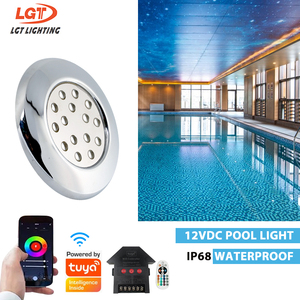
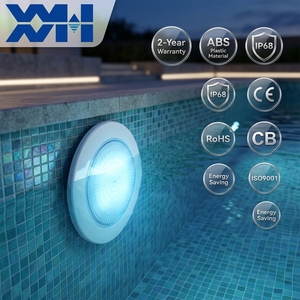
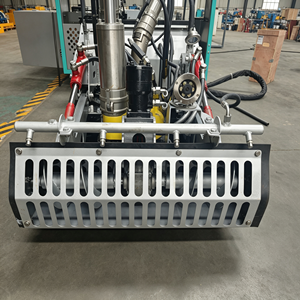

"Effective sludge removal requires a fundamental understanding of benthic sediment dynamics, fluid shear stress, continuous motor thermal regulation, and structural material resistance against anaerobic hydrogen sulfide corrosion."
In modern municipal, agricultural, and industrial water management, the accumulation of organic sediment—commonly categorized as benthic sludge or aquatic muck—poses severe operational and ecological challenges. Unmanaged sludge layers reduce effective storage capacity in retention ponds, promote thermal stratification, deplete hypolimnetic dissolved oxygen (DO), and accelerate toxic cyanobacteria blooms through internal phosphorus loading.
As a premiere CE Certified Sludge Removal Equipment Manufacturer & Exporters, our engineering framework merges six decades of hydromechanical expertise with cutting-edge manufacturing protocols. Whether deploying automated underwater desilting crawlers, continuous-duty propeller muck blasters, or high-volume destratification aerators, our equipment is designed to operate under harsh, high-solids fluid conditions while meeting international European Conformity (CE), ISO 9001, and IP68 water-ingress standards.
Establishing long-term operational reliability demands direct interaction with verified equipment creators rather than supply chain intermediaries. Built on a heritage established in 1963 in Holland, Michigan, USA, and expanded to serve international municipal and commercial clients, our factory provides unmatched production control and engineering depth.
We operate full fabrication, machining, motor winding, and potting facilities. Our engineering team provides direct support for project custom sizing, specific voltage/frequency tailoring (110V-480V, 50/60Hz), and specialized mounting configurations for floating or dock-based installations.
Every piece of submersible machinery undergoes 100% pressure testing, thermal overload verification, and electrical isolation tests before dispatch. Our IP68 hermetically sealed housings utilize marine-grade SS304/SS316 stainless steel and engineered fluoropolymer shaft seals to prevent fluid ingress under high-head submersed conditions.
Recognizing that water infrastructure disruptions require immediate response, our standard production schedules maintain core inventory components. Standard export orders are processed and dispatched within three business days, supported by comprehensive export documentation and international freight routing.
Choosing the optimal benthic remediation methodology requires matching site rheology, water depth, and operational goals. The table below outlines key technical metrics for facility engineers and municipal contractors:
| Technology Class | Primary Operational Mechanism | Ideal Water Depth | Energy Efficiency (kWh/m³ Removed) | Benthic Impact & Turbidity | Primary Application |
|---|---|---|---|---|---|
| Submersible Desilting Crawlers | Positive displacement pumping & mechanical cutter head agitation | 0.5m – 15.0m | High Efficiency (Direct Solids Transfer) | Localized, Contained in Discharge Stream | Industrial lagoons, farm ponds, retention basins, stormwater tanks |
| Hydromechanical Muck Blasters (AquaSweep) | High-velocity axial-flow direction of sub-surface water current | 0.8m – 4.5m | Medium Efficiency (Continuous Fluid Shear) | Moderate, controlled resuspension for bio-digestion | Marinas, dock zones, swim beaches, shoreline channels |
| High-Volume Surface Boilermakers | Destratification and oxygen transfer via mass fluid transfer | 1.0m – 6.0m | Optimal for High Dissolved Oxygen (DO) transfer | Low-to-Moderate Surface Circulation | Aquaculture ponds, wastewater finishing lagoons, municipal lakes |
| Subsurface Micro-Bubble Diffusers | Compressor-driven bottom air expansion and gentle laminar lifting | > 2.5m to Deep Lakes | High Efficiency for Deep Water Stratification | Minimal Turbidity / Maximum Ecological Balance | Deep reservoirs, potable water bodies, severe anaerobic basins |
The global aquatic maintenance and sludge management sector is experiencing rapid technological evolution driven by stringent environmental regulations, rising energy costs, and digital transformation. Key macro trends shaping the market include:
Traditional dredging operations often required heavy, land-based excavators or large diesel-powered dredges that disrupted shorelines and consumed extensive fuel. Modern industrial procurement is shifting toward compact, electric submersible crawlers equipped with acoustic sonar sensors, automated path tracking, and IoT remote monitoring. These robotic systems can continuously clear settling basins without shutting down industrial plant operations.
Forward-thinking water managers no longer rely solely on mechanical dredging. The market is increasingly adopting a dual-action remediation strategy: deploying high-velocity current generators (such as AquaSweep muck blasters) to shear and fragment compacted benthic organic matter, combined with eco-friendly bacterial inoculants. This physical-biological synergy rapidly oxidizes organic sediments into harmless carbon dioxide and nitrogen gas, significantly reducing dredge disposal costs.
Regulatory authorities in Europe, North America, and the Asia-Pacific region are enforcing strict safety standards for submersed high-voltage equipment. Importers now demand full European Conformity (CE) marking, REACH/RoHS compliance for heavy metal components, and double-insulated, oil-free motor designs to eliminate hydrocarbon leak risks in sensitive aquatic ecosystems.
With infrastructure expanding into remote agricultural and municipal retention sites where grid power tie-ins are cost-prohibitive, demand for solar-powered aerators and low-voltage DC (24V/48V) brushless desilting drives has surged by over 35% year-over-year. Low-maintenance, high-torque solar aeration platforms ensure year-round operation without utility overhead.
When specifying and purchasing sludge removal and aquatic management equipment for upcoming capital projects, enterprise buyers should align their procurement strategies with several critical lifecycle considerations:
Answer: Equipment destined for the EU and major international markets must carry valid CE (Conformity European) certification, covering the Low Voltage Directive (LVD 2014/35/EU) and Electromagnetic Compatibility (EMC 2014/30/EU). Furthermore, underwater electrical fixtures and motors require certified IP68 water ingress protection ratings, confirming continuous submersion capability under specified pressure limits. Our manufacturing processes strictly adhere to these standards, backed by full ISO 9001 quality assurance documentation.
Answer: The selection depends primarily on water depth and biological oxygen demand (BOD). For shallow ponds (under 2.5 meters), surface aerators (such as Boilermakers or Display Fountains) deliver high volume surface water circulation and rapid gas exchange (pumping 400 to 800 GPM depending on horsepower). For water bodies deeper than 2.5 to 3.0 meters, subsurface diffused air systems are more energy-efficient, using bottom air diffusers to lift deep anaerobic water to the surface without creating high surface evaporation or mist.
Answer: Standard equipment uses AISI 304 stainless steel for structural housing, motor casings, and hardware. For brackish, coastal, or high-acid industrial wastewater applications, we manufacture components using AISI 316L stainless steel alongside heavy-duty cast aluminum coated with epoxy formulations. Shaft seals feature silicon carbide or ceramic-carbon faces to withstand abrasive suspended silts.
Answer: Yes. Our equipment can be configured for standard single-phase 110-120V / 220-240V power or industrial 3-phase 380V-480V systems. We supply dynamic control panels incorporating digital 24-hour timers, ambient temperature thermostats (for de-icing applications), and smart Wi-Fi / RS485 Modbus remote interfaces for automated operation.
Answer: Standard catalog models typically ship from our Michigan production facility within three business days of order confirmation. Custom engineering configurations, specialized voltages, or large container-load OEM orders generally ship within 10 to 15 business days. All export freight is palletized, crated, and tested under strict ISPM 15 timber heat-treatment standards for seamless international customs processing.
Answer: Accumulated benthic muck harbor pathogenic anaerobic bacteria and generates harmful gases such as hydrogen sulfide (H₂S) and methane (CH₄). Continuous desilting and hydrodynamic circulation maintain oxidized benthic conditions, prevent toxic gas bursts, improve feed conversion ratios (FCR) in fish ponds, and keep agricultural irrigation pumps free of silt clogging.
Speak directly with our technical engineering team for precise equipment sizing, custom OEM specifications, or competitive factory-direct export pricing.