
Engineered for commercial resorts, municipal stormwater basins, agricultural aquaculture, and luxury residential lakes.
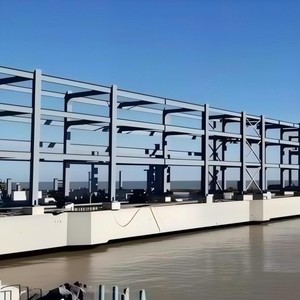
Heavy-duty galvanized steel floating dock brackets designed for high-load fountain mooring and pontoon stabilization in dynamic waters.
Inquire Now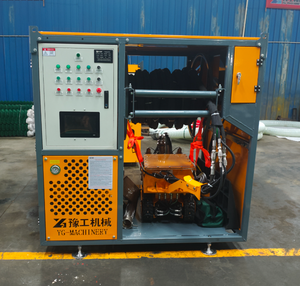
Autonomous underwater robotic desilting system engineered to extract heavy organic sludge and restore benthic oxygenation efficiency.
Inquire Now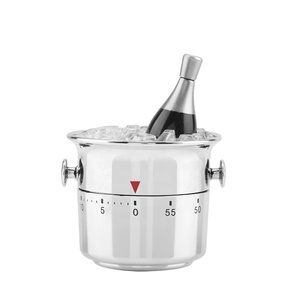
Precision manual timing componentry utilized in mechanical automation systems and commercial equipment control enclosures.
Inquire Now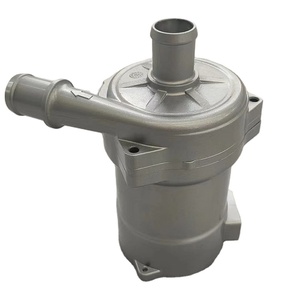
High-precision aluminum alloy die-cast motor housings and impellers designed for high-flow fountain water pumps and continuous-duty aerators.
Inquire Now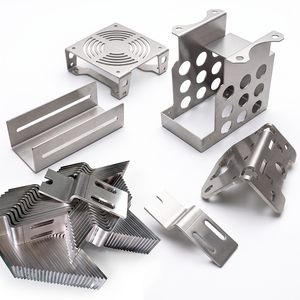
Corrosion-resistant anodized marine aluminum brackets and cleats for commercial floating fountains, de-icers, and pontoon anchoring systems.
Inquire Now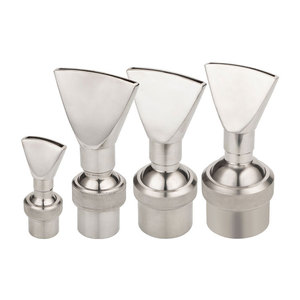
Precision CNC-machined AISI 316 stainless steel spray nozzles delivering multi-tier geyser, crown, and cascade architectural water visual patterns.
Inquire Now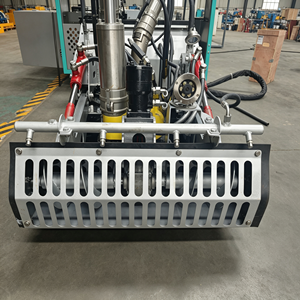
Compact agricultural desilting crawler designed for farm ponds, irrigation canals, and retention basins to clear black muck accumulation.
Inquire Now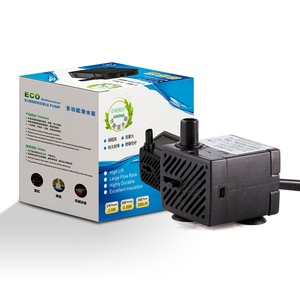
Ultra-quiet micro brushless DC submersible pump engineered for small decorative tabletop fountains, hydro-features, and pet water dispensers.
Inquire NowModern decorative pond fountains serve a dual purpose that extends far beyond aesthetics. While architectural water spray patterns provide striking visual enhancements for commercial real estate, golf courses, and municipal parks, their underlying fluid dynamics dictate the biological health of aquatic ecosystems. In standing water bodies—such as retention ponds, artificial lakes, and agricultural reservoirs—thermal stratification naturally occurs during warm seasons. The surface layer (epilimnion) absorbs solar radiation and becomes warm and oxygen-rich, while the benthic bottom layer (hypolimnion) remains cold, stagnant, and oxygen-depleted (anoxic).
Core Biological Insight: Anoxic bottom water triggers anaerobic decomposition of organic matter, producing toxic hydrogen sulfide (H₂S), methane (CH₄), and ammonia (NH₃). This leads to massive noxious odors, rapid blue-green algae (cyanobacteria) blooms, and sudden summer fish kills. High-efficiency surface aerators and decorative fountains break this stratification through continuous vertical water displacement.
Water quality restoration relies directly on maximizing the Dissolved Oxygen (DO) transfer rate. Decorative floating fountains and high-flow surface aerators inject oxygen via two concurrent thermodynamic mechanisms:
To quantify oxygen transfer efficiency across different equipment types, China’s leading fountain manufacturers utilize standard clean water oxygen transfer testing under standard conditions (20°C, 1 atm pressure), evaluating Standard Oxygen Transfer Rate (SOTR) measured in kg O₂/kWh. High-volume splash aerators yield maximum SOTR, whereas complex multi-tier architectural nozzles trade a marginal fraction of SOTR to achieve impressive spray height and visual crown definition.
China has established itself as the world’s ultimate manufacturing epicenter for commercial fountains, water feature pumps, and aquatic desilting machinery. By integrating raw material casting, high-precision CNC metal fabrication, motor winding, and waterproof potting into centralized manufacturing hubs, Chinese factories offer unprecedented OEM/ODM flexibility and cost competitiveness without sacrificing engineering standards.
Our production lines integrate die-cast aluminum (ADC12/A380) and lost-wax investment casting for AISI 304 and 316 stainless steel. Pumps and nozzle arrays withstand harsh saline, brackish, and chemical-heavy municipal environments without galvanic corrosion.
Equipped with high-torque Franklin-style oil-filled or canned-rotor motors, our fountain drive units utilize dual silicon-carbide mechanical seals and resin-potted stator chambers, ensuring continuous 24/7 submerged operation for up to 50,000 hours.
From custom dock brackets and pontoon floats to RGBW DMX512 smart lighting and crawler desilting robots, Chinese manufacturing facilities provide turnkey OEM/ODM solutions tailored to exact client hydraulic specifications.
The global waterscape and commercial lake aeration market is undergoing a massive technological shift driven by environmental regulations, energy conservation goals, and smart city infrastructure. B2B procurement managers and landscape architects must anticipate these key technological trajectories when specifying equipment for long-term projects:
Traditional fixed-speed fountain pumps are rapidly being replaced by brushless Permanent Magnet Synchronous Motors (PMSM) paired with smart Variable Frequency Drives (VFD). Integrating IoT microprocessors enables operators to schedule dynamic height alterations, create synchronized musical water-and-light choreography via DMX512 controls, and remotely monitor motor health, thermals, and amp draw via smartphone apps or SCADA systems.
Remote water bodies—such as rural golf course hazards, agricultural ponds, and remote eco-resorts—frequently lack accessible AC grid infrastructure. Future procurement is pivoting heavily toward DC solar-powered floating aerators and bottom-diffuser systems equipped with high-efficiency MPPT controllers and long-life LiFePO4 battery banks. These solar systems operate seamlessly off-grid, eliminating expensive trenching and electrical conduit installation costs.
While surface fountains prevent organic sediment accumulation, existing legacy sludge requires physical extraction. The industry is moving toward a dual-action management strategy combining continuous surface/subsurface aeration with periodic autonomous desilting using remote-controlled crawler robots (such as our tracked underwater sludge dredgers). This non-invasive robotic dredging removes heavy muck without dewatering ponds or disturbing benthic shorelines.
Next-generation fountains are integrating micro-nanobubble generator nozzles alongside biological enzyme dosing. Micro-bubbles (diameters <200 nanometers) remain suspended in water for extended periods rather than rising quickly to the surface, delivering near 100% gas transfer efficiency and stripping organic sediments of bio-available phosphorus.
Selecting the optimal equipment combination requires balancing visual spray requirements, pond depth, surface area, and electrical availability. Review our engineering quick-reference guide below:
| Equipment Category | Primary Hydraulic Function | Optimal Depth & Site Setting | Energy / Power Type | Maintenance Profile |
|---|---|---|---|---|
| Architectural Floating Fountain | Visual aesthetics, surface splash aeration, perimeter decorative lighting | 1.0m – 5.0m depth; Golf courses, HOAs, commercial plazas | AC 110V/220V/380V (0.5HP – 15HP) | Low; seasonal cleaning of intake screen & nozzle heads |
| High-Volume Surface Aerator | Maximum Dissolved Oxygen (DO) transfer, thermal destratification | 0.8m – 3.0m depth; Aquaculture, stormwater retention basins | AC single/three phase or High-Output Solar DC | Low; inspection of impeller propeller and mechanical seal |
| Subsurface Bottom Diffuser | Deep water column turnover, zero surface spray signature | > 2.5m depth; Natural lakes, deep reservoirs, fisheries | Low-wattage AC air compressor or Solar MPPT system | Very Low; replacement of air cabinet filter & self-cleaning membranes |
| Robotic Desilting Crawler | Heavy organic muck extraction, benthic channel dredging | 0.5m – 10m depth; Industrial tanks, rivers, silted farm ponds | Tethered Electric / Hydraulic Power Pack | Moderate; inspection of cutter head wear and suction pump seals |
| AquaSweep / Dock De-Icer | Directional current generation, winter dock ice prevention, muck clearing | 0.6m – 2.0m depth; Marinas, boat slips, residential shorelines | AC 120V/240V continuous duty motor | Low; seasonal zinc anode replacement in saltwater applications |
Engineered to resolve common commercial purchasing inquiries, technical sizing parameters, and international order fulfillment protocols.
As a general engineering benchmark for decorative floating fountains, allocate approximately 1.5 to 2.0 Horsepower (HP) per surface acre of water if moderate aeration is desired. For specialized biological oxygenation in heavy organic load environments (e.g., commercial catfish ponds or municipal stormwater detention basins), use high-volume surface aerators rated at 1.5 HP to 3.0 HP per acre. For deep ponds (exceeding 10 feet / 3 meters), combine surface fountains with bottom-diffused aeration systems for complete vertical turnover.
For coastal applications, brackish estuaries, or high-salinity ponds, standard brass or 304 stainless steel can experience pitting corrosion over time. We strictly recommend specifying AISI 316 stainless steel or anodized marine-grade aluminum components, paired with sacrificial zinc or magnesium anodes. Submersible pump motors should feature silicon carbide mechanical seals and chemical-resistant fluorocarbon (Viton) O-rings.
Leading Chinese manufacturers offer comprehensive contract manufacturing services, including custom CAD pattern design for nozzle arrays, private label laser etching, custom electrical control box wiring (UL/CE compliant), custom voltage/frequency motor windings (e.g., 110V/60Hz for North America, 230V/50Hz for Europe, 415V for Australia), and bespoke pontoon float molding.
High-profile water patterns (such as geysers or single-jet plumes) are susceptible to wind distortion. Professional installations utilize heavy-duty galvanized or stainless steel dock brackets, anchored cable mooring systems, or floating pontoon stabilizers. Additionally, variable frequency controllers can be wired to anemometers (wind sensors) to automatically throttle pump RPM and lower spray height during severe high-wind events.
Standard OEM sample units typically ship within 3 to 5 business days via air express. Full container load (FCL) orders for commercial fountains, water pumps, and desilting crawlers generally carry a production lead time of 15 to 25 calendar days. Accelerated 3-day dispatch is available for standard catalog stocking items.
Traditional hydraulic excavators require heavy machinery access along shorelines, destroying vegetation and turbidity barriers while requiring pond dewatering. Submersible remote-controlled crawler desilting robots crawl along the lake floor, using targeted augers and slurry pumps to extract high-density sludge through flexible hoses without disrupting water surface operations, destroying aquatic ecosystems, or requiring pond shutdown.