
Explore our industrial-grade aeration engines, water circulation pumps, eco-fountain lighting, and heavy-duty aquatic management accessories engineered for high reliability.
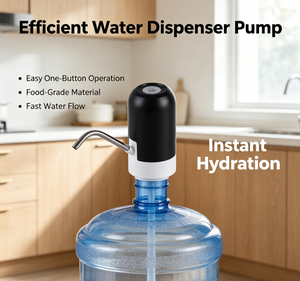
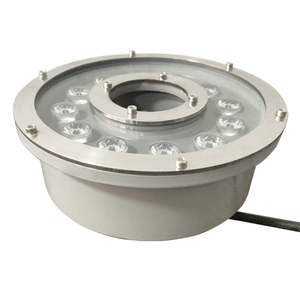
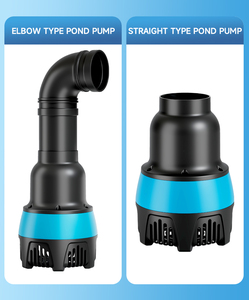
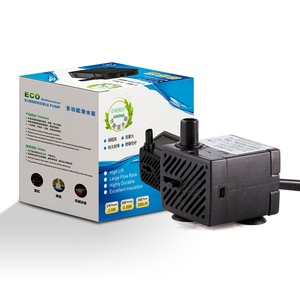
Combining American engineering heritage with full-scale OEM flexibility to empower international distributors, contractors, and aquatic system integrators.
Rooted in Holland, Michigan since 1963, our manufacturing framework blends decades of proven field testing with modernized automated assembly line standards. We do not simply re-box; we design, machine, and test hydraulic systems built to endure rugged outdoor operating environments.
Engineered with stainless steel motor casings (304SS/316SS) and continuous-duty thermal overload protection. Compatible with global electrical standards, supporting custom voltage steps (110V, 220V, 240V, 380V, 460V) at 50Hz or 60Hz single and three-phase power.
Standard OEM build orders typically dispatch within three business days from central manufacturing facilities. Complete custom branding, customized motor lead lengths, white-label packaging, and turnkey dealer support are fully integrated into our production management system.
A technical guide on fluid dynamics, dissolved oxygen kinetics, thermal destratification, and custom manufacturing parameters for commercial pond aeration equipment.
Pond aeration serves as the mechanical baseline for biological lake management, wastewater treatment lagoons, commercial aquaculture, and municipal stormwater detention basins. Naturally occurring water bodies rely on atmospheric absorption and photosynthetic oxygenation. However, high nutrient loading (phosphorus and nitrogen runoff) often leads to elevated Biological Oxygen Demand (BOD) and Chemical Oxygen Demand (COD).
Without artificial aeration, lakes undergo thermal stratification during summer months. Solar radiation heats the upper water layer (epilimnion), creating a density differential that prevents mixing with the cold, dense bottom layer (hypolimnion). The hypolimnion rapidly becomes anoxic (devoid of dissolved oxygen). Under anoxic conditions, anaerobic bacteria take over sediment decomposition, releasing noxious gases such as Hydrogen Sulfide (H₂S), Methane (CH₄), and Ammonia (NH₃), while releasing bound phosphorus back into the water column to fuel massive blue-green algae (cyanobacteria) blooms.
Custom OEM aeration systems mitigate water quality degradation via two primary fluid dynamic mechanisms:
| Aeration System Architecture | Primary Operating Depth | SOTR Rating (lbs O₂/hp-hr) | Benthic Sediment Impact | Ideal OEM Commercial Application |
|---|---|---|---|---|
| Surface Boilermaker / High-Flow Aerator | 1.0 – 6.0 Feet (Shallow) | 2.8 – 3.4 | Low to Moderate Surface Circulation | Aquaculture grow-out ponds, shallow retention basins, golf course hazards. |
| Decorative Aerating Fountains | 3.0 – 10.0 Feet | 1.8 – 2.4 | Minimal Bottom Disturbance | HOA entryway features, commercial real estate displays, parks requiring aesthetics. |
| Subsurface Fine-Bubble Diffusers | 6.0 – 40.0+ Feet (Deep) | 4.5 – 6.2 | High Destratification / Zero Disturbance | Deep lakes, municipal water reservoirs, deep industrial wastewater lagoons. |
| Direct-Drive Muck Blasters (AquaSweep®) | 2.0 – 12.0 Feet | N/A (Directional Thrust) | High Sediment Relocation / Debris Sweeping | Marinas, swim beaches, dock freeze-protection, localized muck displacement. |
| Off-Grid Solar DC Aeration Systems | 4.0 – 25.0 Feet | 3.2 – 4.8 | Continuous Low-Micron Upwelling | Remote agricultural livestock ponds, eco-resorts, off-grid water bodies. |
The global pond management market is undergoing a rapid transition toward intelligent, energy-efficient, and climate-resilient water treatment infrastructure. When specifying custom OEM pond aeration systems, procurement managers and B2B buyers must account for four major technological trends shaping the sector:
Legacy single-phase induction motors are increasingly replaced by high-efficiency Brushless DC (BLDC) and Permanent Magnet Synchronous Motors (PMSM) controlled via integrated VFD units. By dynamically throttling motor RPM based on real-time Dissolved Oxygen (DO) sensor feedback, modern OEM systems cut operational electrical costs by up to 42% annually. VFD integration also eliminates harsh across-the-line start-up electrical spikes, doubling mechanical bearing life.
With utility grid trenching costs often exceeding $25 per linear foot in remote installations, direct-drive solar DC aeration systems have become a dominant procurement requirement. Contemporary OEM solar aeration systems leverage high-efficiency MPPT (Maximum Power Point Tracking) controllers coupled with maintenance-free Lithium Iron Phosphate (LiFePO4) battery banks or variable-speed direct-drive solar pumps that operate directly off solar PV arrays during daylight hours.
Smart pond aeration is no longer a luxury—it is an operational standard for commercial lakes and municipal stormwater sites. Modern OEM control panels are manufactured with cellular (LTE-M/NB-IoT) or Wi-Fi telemetry modules. Facility operators can monitor motor amperage, winding temperature, surface DO levels, water temperature, and system backpressure in real time. Automatic alert triggers notify engineers before pump seal failure or thermal tripping occurs.
Mechanical aeration and biological water clarification operate in deep synergy. Aerobic bacteria digest organic sludge (muck) 12 to 15 times faster than anaerobic bacteria. Modern OEM buyers frequently bundle aeration systems with automated dosing pumps that inject highly concentrated bio-enzymes directly into the aeration diffuser plume, rapidly converting muck into harmless carbon dioxide and nitrogen gas.
Sourcing commercial pond aeration equipment requires evaluating total cost of ownership (TCO), material longevity, supply chain reliability, and custom engineering options. Global distributors and procurement specialists prioritize specific criteria when selecting an OEM vendor partner:
In northern climates, frozen water bodies pose severe risks to waterfront infrastructure. Ice expansion creates immense pressure against docks, pilings, boat lifts, and seawalls, leading to structural damage. Furthermore, heavy snow cover over pond ice blocks sunlight, halting photosynthesis and causing catastrophic winter fish kills due to anoxia.
Dual-purpose OEM aeration units solve this challenge. By converting floating surface aerators into dock-mounted or submerged De-Icer units or Slinger De-Icers, high-velocity propellers move warmer deep water (typically 39°F / 4°C at the bottom) up to the surface. This thermal transfer maintains open, ice-free zones around critical structures throughout sub-zero winters. In spring and summer, the exact same power units can be retrofitted with spray nozzles or muck-blasting assemblies (AquaSweep®) to push away shoreline organic debris and algae.
Expert answers addressing sizing formulas, custom OEM engineering, logistics, and installation parameters.
Sizing depends on surface acreage, average/maximum depth, water shape, and organic loading. As a general rule of thumb for surface aeration: 1 to 1.5 HP is required per acre of shallow water (under 6 feet depth). For subsurface fine-bubble diffuser aeration in deeper waters (6 to 30+ feet), air delivery is measured in Cubic Feet per Minute (CFM). Typically, 1.5 to 2.0 CFM per acre is required. Deep water bodies benefit exponentially from subsurface diffusers due to higher contact time and larger vertical water column displacement.
High-flow surface aerators (often referred to as Boilermakers or Display Fountain Aerators) utilize high-pitch, open-propeller designs engineered to move massive volumes of water (GPM) at low pressure to maximize Dissolved Oxygen (DO) transfer. Decorative aerating fountains utilize impeller systems and restrictive spray nozzles to push water high into decorative shapes (e.g., Geyser, Crown, Tiered patterns). While decorative fountains provide surface aeration, dedicated surface aerators yield higher oxygen transfer efficiency (SOTR) per kilowatt hour.
Yes. As a primary OEM manufacturer, we engineer motor units, control boxes, and submersible power systems tailored to regional power grids globally. We supply 110-120V / 220-240V single-phase systems as well as 208-230V / 380V / 460V three-phase commercial configurations at both 50Hz and 60Hz. Custom motor lead lengths and quick-disconnect IP68 waterproof underwater quick-connectors are also standard options.
AquaSweep® systems are high-velocity directional current agitators designed specifically to blast settled organic muck, silt, submerged leaves, and decaying aquatic vegetation off shoreline swim beaches, canal bottoms, and boat docks. While aerators distribute oxygen broadly, AquaSweep® units deliver targeted directional hydraulic thrust (with optional 360-degree automatic oscillators) to mechanically keep waterfront zones clean and clear.
Every single manufactured unit undergoes rigorous multi-stage quality assurance: 1) Hydrostatic pressure chamber immersion to guarantee seal integrity; 2) Dynamic rotational balance testing of all impellers and propellers to prevent vibration; 3) Full-load amp draw, start-up torque, and electrical insulation resistance testing; and 4) Wet-tank operational run testing. Standard OEM orders typically ship within 3 business days of final QA sign-off.
We provide comprehensive warranty coverage across motor assemblies, floats, diffusers, and control panels. In addition, we supply complete service replacement kits—including mechanical shaft seals, replacement impellers, capacitors, relays, and LED lighting driver boards—ensuring distributors and contractors can maintain zero downtime for end customers.
Partner directly with an established engineering manufacturer. Speak with our technical design team today for product specifications, custom branding, pricing catalogs, and sample evaluations.