
Engineered for extreme durability in aquaculture, commercial real estate, municipal stormwater basins, and harsh winter environments. Explore our primary OEM/ODM product lines built with non-corrosive American steel components.
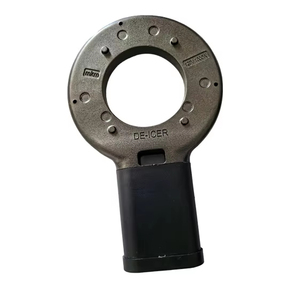
Heavy-duty submersible thermostatic heater designed for agricultural troughs, farm livestock tanks, and shallow pond thermal control during severe freeze cycles.
Send an Inquiry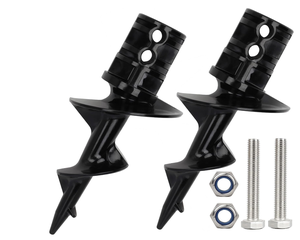
Precision-engineered structural dock hardware. Manufactured from marine-grade stainless steel and hot-dipped galvanized steel for extreme wave action resistance.
Send an Inquiry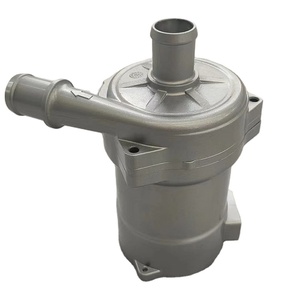
High-precision automotive and industrial grade aluminum die-cast water pump housings engineered for continuous cooling fluid circulation under high pressure.
Send an Inquiry
800 Watt automated thermal regulator with integrated auto-shutoff safety sensors. Designed for high-volume agricultural water distribution systems.
Send an Inquiry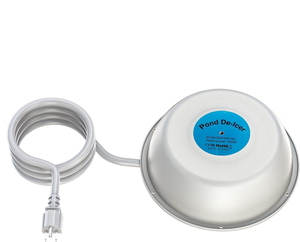
Energy-efficient 400W floating pond heater engineered to maintain crucial gas exchange holes in ice-covered retention ponds and residential aquatic displays.
Send an Inquiry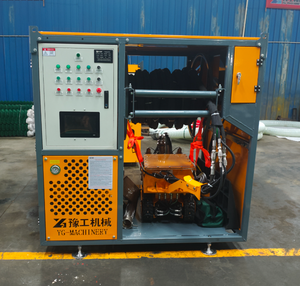
Next-generation robotic sludge extractor for industrial tanks, municipal lagoons, and pond bottom desilting without draining delicate water ecosystems.
Send an Inquiry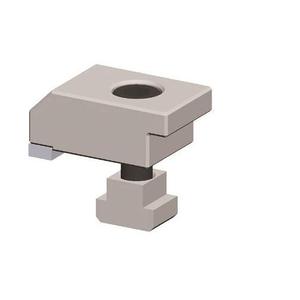
Modular side-mounting dock bracket custom-engineered for soft dock configurations, rapid de-icer alignment, and versatile peripheral water equipment positioning.
Send an Inquiry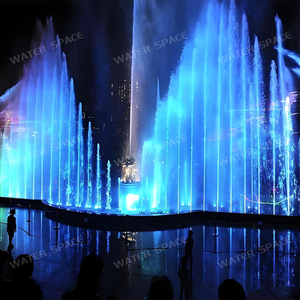
Architectural-grade floating water show fountain featuring stainless steel sculpture rings, high-GPM spray manifolds, and DMX-controlled RGBW LED illumination.
Send an InquiryIn modern lake management, municipal stormwater control, and commercial real estate development, surface water feature selection requires balancing aesthetic visual impact with rigorous aquatic biological health. The strategic implementation of aerating fountains and subsurface diffuser aeration systems addresses the critical challenge of thermal stratification and biochemical oxygen demand (BOD) accumulation in static water bodies.
During warm atmospheric conditions, stagnant water bodies naturally divide into distinct thermal strata: the upper warm layer (epilimnion) and the cold, oxygen-starved bottom layer (hypolimnion). Without active mechanical circulation, the hypolimnion rapidly depletes dissolved oxygen (DO), creating anoxic conditions. Anoxia accelerates the release of bound phosphorus and nitrogen from bottom organic muck, fueling toxic cyanobacteria (blue-green algae) blooms, foul hydrogen sulfide odors, and severe fish kill events. Aerating fountains solve this by utilizing high-velocity axial-flow impellers to transfer massive volumes of water across the air-water interface, inducing atmospheric re-aeration while physically breaking thermocline barrier layers.
Procurement directors and civil engineers must evaluate equipment selection based on primary limnological objectives, water depth, and structural hydrodynamics. The table below delineates the functional operating characteristics across standard mechanical water treatment categories:
| Aeration Category | Primary Limnological Objective | Standard Oxygen Transfer Rate (SOTR) | Ideal Water Depth | Energy Efficiency Index (SAE) |
|---|---|---|---|---|
| High-Flow Surface Aerators | Maximum Dissolved Oxygen & Rapid Degassing | Very High (up to 3.0 lbs O2/hp-hr) | 1.5 to 6 Feet | Superior Hydraulic Efficiency |
| Decorative Display Fountains | Architectural Spray Patterns + Surface Oxygenation | Moderate (1.2 - 1.8 lbs O2/hp-hr) | 4 to 15 Feet | Balanced Aesthetics & Duty |
| Subsurface Micro-Bubble Diffusers | Whole Water-Column Turnover & Muck Reduction | High at Depth (> 2.2 lbs O2/hp-hr) | > 8 to 50+ Feet | Optimal for Deep Stratification |
| Horizontal De-Icers & Muck Blasters | Directional Current & Winter Freeze Prevention | Targeted Hydrodynamic Kinetic Flow | 2 to 12 Feet | Specialized Seasonal Protection |
High-flow aerating fountains function by drawing oxygen-depleted bottom water up through a submerged intake cone and impelling it high into the atmosphere. As the droplets fracture, surface area increases exponentially, facilitating gas exchange—stripping carbon dioxide, methane, and hydrogen sulfide while absorbing oxygen before cascading back down to create widespread surface circulation patterns.
An authoritative, expert review of the leading commercial manufacturers setting global standards for hydraulic efficiency, structural reliability, and motor engineering.
Established in 1963 in Holland, Michigan, Scott Aerator represents the benchmark for American-manufactured water management equipment. Operating continuously for over 60 years, Scott Aerator specializes in heavy-duty oil-free submersible motors, high-GPM display fountain aerators, AquaSweep muck blasters, and severe-weather dock de-icers backed by industry-leading 5-year warranties.
Recognized globally for municipal and residential aquatic equipment, Kasco Marine manufactures floating fountains, surface aerators, and diffused aeration systems. Their designs focus on energy-conscious motor assemblies and user-interchangeable display nozzles across commercial golf courses and municipal parks.
Otterbine Barebo is a key competitor in large-scale industrial aerating fountains and surface aerators. Known for high-yield pumping rates and rugged thermal plastic floats, Otterbine systems are frequently specified by landscape architects for high-profile real estate developments.
Specializing heavily in deep-water subsurface aeration systems and customized lake management technologies, Vertex produces precision continuous-duty compressor stations, self-cleaning membrane diffusers, and high-volume decorative fountains for lake management professionals.
Aqua Control engineers commercial fountain display systems up to 40 horsepower. Their equipment portfolio features high-head display pumps, variable frequency drive (VFD) controllers, and customized architectural display ring assemblies for high-end waterscapes.
Airmax focuses on residential and small commercial pond aeration solutions, offering silent subsurface compressor cabinets, eco-friendly water bio-treatments, and low-voltage RGBW LED lighting packages engineered for easy self-installation and seasonal maintenance.
Headquartered in Germany, OASE is a global leader in architectural fountain technology and advanced water filtration engineering. Their commercial division designs highly precise dynamic musical fountains, DMX-controlled lighting systems, and high-efficiency filtration units.
AquaMaster manufactures a wide range of floating fountains and subsurface aeration systems built with stainless steel power packs. Their product line serves golf course superintendents, municipal basins, and commercial property managers worldwide.
With over 50 years of operations, Air-O-Lator emphasizes simple, efficient hydraulic pumping technology. Utilizing Franklin Electric submersible motors and molded polyurethane floats, they supply durable aeration equipment for agricultural and wastewater applications.
Hydro Logic specializes in eco-friendly water restoration systems, providing air-lift destratification equipment, non-chemical water conditioners, and solar-powered subsurface aeration units engineered for remote agricultural and municipal water impoundments.
Since 1963, our manufacturing plant in Holland, Michigan has set the global benchmark for aquatic equipment engineering. Unlike assembly-only brands that rely on plastic subassemblies, our systems are built from heavy-gauge stainless steel components designed to withstand years of continuous immersion in harsh marine and industrial environments.
Do you require customized motor voltages, specialized stainless structural brackets, proprietary spray ring geometry, or custom-branded retail packaging?
As environmental regulations tighten and energy costs fluctuate globally, commercial buyers must align procurement strategies with emerging technical innovations.
Rising electrical utility rates and remote installation costs drive the rapid adoption of off-grid solar-powered aeration systems. Modern solar aeration relies on high-efficiency brushless DC (BLDC) motors paired with variable-frequency controllers and lithium iron phosphate (LiFePO4) storage banks to maintain 24/7 continuous operation without grid reliance.
Next-generation aerators feature integrated micro-sensors that stream real-time Dissolved Oxygen (DO), temperature, and turbidity data via cellular cloud connections. Automated VFD controllers dynamically adjust motor RPM based on real-time biological demand, reducing annual kWh consumption by up to 40%.
With increasing saltwater intrusion and brackish retention basins, equipment specification is shifting rapidly away from coated cast iron toward 316L marine-grade stainless steel and composite polymers. Super-alloy shafting prevents pitting corrosion, bio-fouling, and premature mechanical seal failures.
Rather than relying solely on costly traditional hydraulic dredging, commercial property managers are adopting remote-controlled underwater crawler robots. These autonomous dredgers gently vacuum organic muck from lagoon bottoms while working synergistically with surface aerators.
Mechanical aeration is increasingly combined with specialized bio-augmentation. Infusing beneficial aerobic bacteria strains into well-oxygenated water columns dramatically accelerates the biological digestion of accumulated muck, reducing chemical algaecide dependency.
Expert insights addressing sizing calculations, electrical setups, freeze protection, and system longevity.
Equipment selection depends on pond depth, geometry, and main management goal. For shallow ponds (under 6 feet deep) where visual impact is desired alongside surface oxygenation, a surface aerating fountain is ideal. For deep lakes (exceeding 8–10 feet) or irregularly shaped basins with narrow coves, a subsurface diffused air system is more effective because it lifts cold, anaerobic bottom water directly to the surface without creating massive surface evaporation losses.
As a general rule of thumb, high-efficiency surface aerators require approximately 1.5 to 2.0 horsepower per surface acre for intensive organic muck control and high biological oxygen demand (BOD). For purely decorative display fountains in clean water, 1.0 horsepower per acre may suffice. However, factors such as average depth, organic loading, fish stock density, and incoming runoff nutrients must be evaluated by a limnological specialist.
Oil-filled motors use food-grade dielectric oil for shaft lubrication and heat dissipation. While reliable, a seal breach can contaminate surrounding waters. Modern premium manufacturers utilize continuous-duty, oil-free water-lubricated submersible motors housed in solid stainless steel. Oil-free motors eliminate environmental contamination risks, run cooler in shallow applications, and reduce maintenance costs.
Submersible de-icers utilize submerged propellers to draw warmer, higher-density water from the pond or lake bottom (which remains around 39°F / 4°C due to water density anomalies) and direct it horizontally or vertically toward the surface. This continuous upward thermal current prevents ice formation around dock pilings, boat lifts, and seawalls, eliminating costly structural jacking damage caused by expanding ice sheets.
All commercial floating fountains and aerators require dedicated motor control panels equipped with Ground Fault Circuit Interrupter (GFCI) protection, class-RK5 dual-element fuse blocks or surge suppressors, adjustable thermal overload relays, and digital 24-hour timers. Submerged power cables must be marine-grade STW/SEOOW flexible cord rated for continuous underwater submersion with proper copper gauge sizing to avoid drop-voltage motor burnout.
Standard production units (such as standard floating fountains, AquaSweep muck blasters, and de-icers) typically ship directly from our Holland, Michigan facility within 3 business days. Custom engineering, non-standard electrical voltages (e.g., 480V 3-phase or 50Hz international configurations), or custom OEM bracket fabrications generally ship within 2 to 3 weeks depending on production schedules.