
Explore our export-ready, ISO-certified pond muck agitators, fountain nozzles, underwater robotics, and IP68 lighting systems designed for municipal, commercial, and residential aquatic management.
A comprehensive engineering overview of benthic decay, thermal stratification, and mechanical-biological desilting solutions for commercial waterbodies.
Pond muck—technically categorized as benthic organic sediment—is an unavoidable consequence of closed and semi-closed aquatic ecosystems. Composed of decaying aquatic vegetation, fallen leaves, fish feces, unconsumed feed, and urban stormwater runoff, this nutrient-dense sludge settles at the bottom of ponds, lakes, and retention basins. Over time, organic sediment accumulation leads to severe ecological degradation, including toxic algae blooms, hydrogen sulfide ($H_2S$) odor emissions, thermal stratification, and catastrophic fish kills.
During warm seasons, solar radiation heats the surface water layer (epilimnion), decreasing its density. The deeper water layer (hypolimnion) remains cold and dense. Without mechanical intervention or continuous hydraulic displacement, these layers refuse to mix. The lower layer rapidly becomes depleted of dissolved oxygen (DO) as aerobic bacteria consume available oxygen trying to decompose organic matter.
Once DO levels fall below 2.0 mg/L, anoxic conditions take over. Under anaerobic decay:
To reverse benthic degradation, water engineers and lake managers employ two complementary mechanical strategies: High-Impeller Direct Currents (Muck Blasters) and Micro-Bubble Subsurface Aeration.
Submersible propeller assemblies (such as the AquaSweep® design series) generate high-velocity laminar water streams along the bottom. By physically suspending muck particles into the aerobic zone, indigenous microflora digest organic matter rapidly before it compacts.
Bottom-placed membrane diffusers inject millions of micro-bubbles per minute. As bubbles rise, they pull oxygen-starved bottom water to the surface via air-lift currents, eliminating thermal stratification and elevating benthic DO levels above 6.0 mg/L.
Automated underwater dredging robots physically agitate heavy silt pockets, while specialized bacterial enzymes accelerate carbon breakdown—creating an integrated zero-chemical desilting regimen.
Comparative technical analysis for B2B buyers, distributors, municipal engineers, and commercial property developers.
| Equipment Category | Primary Technology Mechanism | Target Water Depth | Optimal Application | Energy Efficiency Index |
|---|---|---|---|---|
| Hydrodynamic Muck Blaster | High-thrust direct axial drive propeller system | 2.0 to 12.0 Feet | Beach clearing, marina slips, dock muck control, shoreline restoration | ★★★★★ (High Circulation/Watt) |
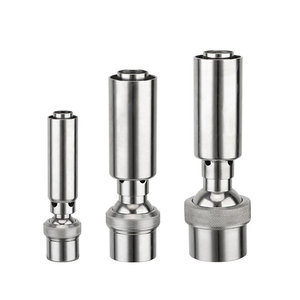
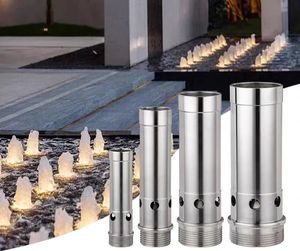
| Surface Display Aerator | High-volume surface fountain pump with aerating nozzles | 1.5 to 8.0 Feet | Golf course ponds, HOA entry features, municipal parks | ★★★★☆ (Visual + Surface Oxygen) |
| Subsurface Diffuser System | Oil-less rotary vane / diaphragm air compressor + diffusers | 6.0 to 45.0+ Feet | Deep lakes, reservoirs, large aquaculture basins, commercial fisheries | ★★★★★ (Deep Water Mixing) |
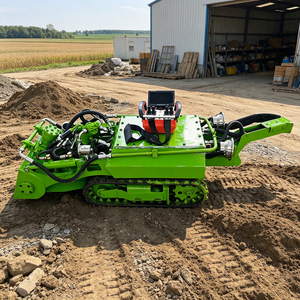
| Underwater Dredging Robot | Tracked submersible crawling chassis with mechanical scrubbing brushes | 1.0 to 15.0 Feet | Industrial settling basins, lined koi ponds, swimming lagoons | ★★★☆☆ (Targeted Heavy Removal) |
| De-Icing Slinger Systems | Subsurface continuous directional thermal water movement | 3.0 to 20.0 Feet | Winter dock protection, boat lift freeze prevention, open-water maintenance | ★★★★☆ (Seasonal Infrastructure Safety) |
Leveraging 60+ years of heritage design practices with ultra-modern precision manufacturing and rigorous international testing standards.
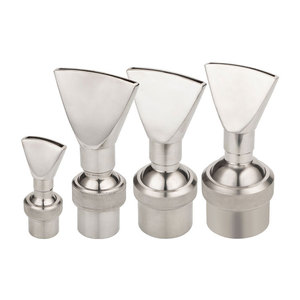
All structural components, fountain nozzles, motor housings, and hardware are manufactured from premium AISI 304 and 316 Stainless Steel. This guarantees total immunity to brackish water corrosion, UV degradation, and chemical oxidation.
Equipped with heavy-duty energy-efficient motors (compatible with 110V, 220V, 380V, 50/60Hz configurations). Features double mechanical shaft seals, oil-cooled chambers, and integrated thermal overload protection for continuous 24/7/365 operation.
Every unit undergoes 100% full-submersion leak testing, electrical insulation resistance checks, dynamic rotor balancing, and continuous 48-hour endurance testing prior to export packaging.
Market intelligence and technological trajectories shaping the next decade of aquatic equipment sourcing.
As corporate sustainability mandates tighten and electricity line extension costs rise (often exceeding $25/foot in remote parks or golf courses), demand for direct-current (DC) solar-powered muck blasters and subsurface aerators has grown by over 38% year-over-year. Future-ready factories are integrating high-efficiency brushless DC (BLDC) motors paired with smart MPPT controllers and lithium-iron-phosphate ($LiFePO_4$) battery backups to maintain continuous night operation.
Manual pond cleaning is rapidly giving way to smart autonomous robotics. Modern underwater dredging robots feature LiDAR-sonar hybrid mapping, AI obstacle avoidance, and automated sediment density sensors. B2B buyers are seeking equipment that operates on schedules, auto-docks for inductive re-charging, and provides real-time sediment depth analytics directly to property managers via IoT cloud dashboards.
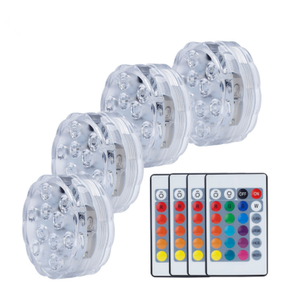
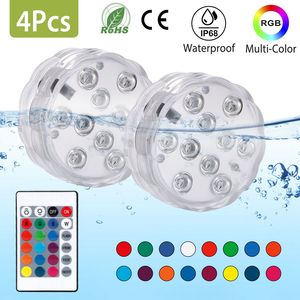
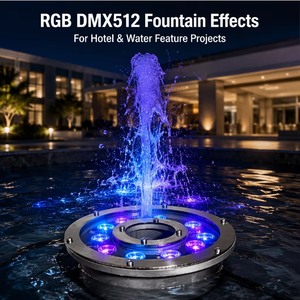
Municipalities and luxury commercial venues are upgrading static fountains to fully dynamic, music-synchronized dancing fountains. Sourcing demands have shifted toward low-voltage DC24V IP68 stainless steel fountain lights equipped with integrated DMX512 microcontrollers. These setups enable infinite color schemes, remote scheduling via smartphones, and low operational power draw.
Global environmental regulations are strictly limiting the application of copper sulfate and synthetic algaecides due to bioaccumulation risks. Sourcing trends prioritize mechanical water circulators designed to work in tandem with specialized biological enzyme pellets and beneficial aerobic bacteria strains, accelerating organic sludge digestion naturally without chemical toxicity.
Follow this step-by-step engineering calculation framework to select the precise horsepower and flow rate for your application.
Selecting under-powered equipment results in lingering stagnant zones and uncleaned sediment, while over-sizing leads to unnecessary energy consumption and excessive shoreline turbulence. Apply the following parameters during specification:
Answers to common queries raised by international buyers, wholesalers, and project contractors.
Traditional mechanical dredging physically scoops out sediment using excavators or vacuum pump trucks, which is labor-intensive, costly, and disrupts aquatic ecosystems. A hydrodynamic muck blaster uses a high-velocity continuous water current to re-suspend light organic sediment into the oxygenated water column. Aerobic microflora then digest the suspended organic particles naturally. This process costs up to 85% less than mechanical dredging and requires no heavy machinery on site.
Yes. We offer product variants crafted from high-grade AISI 316 Stainless Steel and marine-grade bronze components. These alloys provide superior resistance to chloride pitting, coastal saltwater corrosion, and aggressive chemical treatments.
All underwater electrical components, motor assemblies, and LED lights carry authentic IP68 Ingress Protection ratings—certified for continuous submersion at depths exceeding 10 meters. Furthermore, electrical designs conform to CE, RoHS, and international electrical safety standards. Low-voltage DC24V systems are standard for public swimming pools and interactive fountains.
Absolutely. As a leading manufacturer and exporter, we offer full OEM/ODM services including laser-etched custom logos on stainless steel housings, custom color-box packaging, custom motor voltage/frequency configurations (e.g., 110V/60Hz for North America, 230V/50Hz for Europe), and tailored user manuals.
Standard catalog items and spare components generally ship within 3 to 7 business days from stock. Custom OEM production runs typically require 15 to 25 days depending on order volume. We provide full export logistics support including FCL/LCL ocean freight, air express shipping, and custom customs documentation.
Thanks to oil-free/oil-cooled sealed motor technology, routine maintenance is minimal. We recommend bi-annual inspection of prop blades for fishing line wrap, cleaning intake screens of weed debris, and inspecting mechanical seals once every 24 to 36 months of continuous operation.