
Explore our top-tier export products engineered for aquaculture, municipal lakes, commercial fountains, and extreme temperature thermal management.
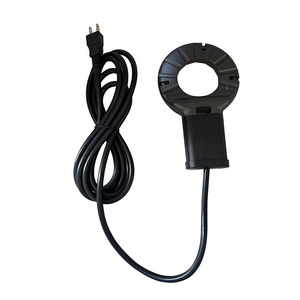
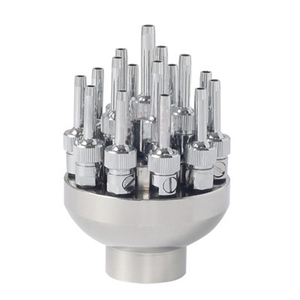
As a leading China Subsurface Aerators Factory & Supplier, our engineering philosophy is grounded in fundamental environmental fluid dynamics. In stagnant aquatic ecosystems, thermal stratification creates distinct water layers: a warm, oxygen-rich epilimnion at the surface, and a cold, anoxic hypolimnion at the basin floor. This lack of vertical mixing leads to massive organic sediment accumulation (muck), hydrogen sulfide gas formation, harmful algal blooms (cyanobacteria), and catastrophic summer fish kills.
Subsurface aeration systems solve this fundamental ecological issue not merely by adding oxygen, but by driving massive air-lift vertical circulation. High-efficiency rotary vane or continuous-duty rocking piston compressors push compressed air down self-weighted air tubing to micro-bubble membrane diffusers anchored at the water bottom. As millions of tiny bubbles (1–3 mm in diameter) rise through the water column, they create a friction-driven plume that transports thousands of gallons of nutrient-laden bottom water to the surface. Upon reaching the surface, this water releases noxious dissolved gases and absorbs atmospheric oxygen before sinking back down, effectively destratifying the entire water body.
Selecting the optimal aeration architecture depends heavily on depth profile, operational goals, energy availability, and aesthetic requirements. Below is an engineering comparison matrix used by municipal engineers, aquaculture consultants, and commercial property managers worldwide:
| Aeration System Type | Optimal Water Depth | Oxygen Transfer Rate (OTR) | Energy Efficiency (SAE) | Noise & Visual Impact | Primary Commercial Use Case |
|---|---|---|---|---|---|
| Subsurface Micro-Bubble Diffuser | > 8 ft to 50+ ft | Exceptionally High (Deep Water) | Highest (>4.5 lbs O₂/hp-hr) | Silent, 0% Visual Obstruction | Deep Lakes, Reservoirs, Commercial Aquaculture |
| Surface Display Aerator / Fountain | 2 ft to 8 ft | Moderate (Surface Layer Only) | Moderate (1.8–2.5 lbs O₂/hp-hr) | Aesthetic Spray, Ambient Water Sound | HOA Ponds, Golf Courses, Corporate Sites |
| High-Volume Surface Boiler | 3 ft to 10 ft | High (Top 4 Feet) | High (3.0 lbs O₂/hp-hr) | Low Spray Height, High Water Movement | Shallow Commercial Fisheries, Wastewater Basins |
| Directional Muck Blaster (AquaSweep® style) | 2 ft to 12 ft | Targeted Hydrodynamic Flow | Moderate (Current Creation) | Submerged Motor, Low Surface Ripple | Beach Cleaning, Dock De-icing, Canal Circulation |
Leveraging over six decades of precision engineering legacy and modern automated manufacturing in China, our facility stands as a global powerhouse for high-reliability lake and pond management systems. We operate under strict ISO 9001 quality management protocols, ensuring that every compressor, manifold, and self-cleaning EPDM membrane diffuser meets rigorous international benchmarks (CE, RoHS, UL certified components).
Our self-cleaning membrane diffusers feature over 15,000 micro-perforations produced via high-precision CNC laser punching. Formulated with premium EPDM rubber enriched with silica and UV stabilizers, our membranes resist mineral clogging and biological fouling for over 6 years of continuous operation.
Engineered for 24/7 continuous operation, our oil-less rocking piston compressors and oil-free rotary vane blowers utilize die-cast aluminum housings, high-temperature carbon vanes, and sealed bearings. Operating at ultra-low sound levels (<52 dB), they are protected by thermally-overload proof Franklin Electric motors or custom-wound IP55 drive units.
Eliminate unsightly float lines and propeller snags. Our thick-walled, lead-free self-weighted polyvinyl tubing stays buried in bottom sediment without requiring external weights. Cold-weather flexible and kink-resistant, it withstands heavy boat traffic and harsh thermal cycles without cracking.
The global subsurface aeration market is undergoing a structural transition driven by rising energy costs, stringent environmental discharge mandates, and climate-induced lake eutrophication. Global procurement managers, government municipal buyers, and distributors should align their sourcing strategies with four major industrial trends:
As remote agricultural ponds and wilderness water bodies demand reliable oxygenation without multi-thousand-dollar utility extension costs, solar-powered subsurface aeration has become the fastest-growing sector. Modern systems utilize high-efficiency DC brushless compressors mated to smart MPPT controllers and lithium iron phosphate (LiFePO4) battery banks, providing continuous 24-hour micro-bubble aeration even during extended overcast periods.
Procurement is rapidly shifting toward smart aeration cabinets equipped with IoT-enabled optical Dissolved Oxygen (DO) sensors, temperature probes, and cloud-connected Variable Frequency Drives (VFDs). Instead of running compressors continuously at 100% capacity, automated systems adjust CFM airflow dynamically based on real-time DO levels, reducing annual electricity consumption by up to 38%.
Commercial buyers are increasingly pairing subsurface aeration with targeted aerobic microbial dosing (beneficial bacteria blasters). Micro-bubble diffused oxygen elevates bottom DO levels from 0 mg/L to >6 mg/L, creating an optimal environment for aerobic bacteria to digest organic sludge (muck), bind dissolved phosphorus, and suppress nuisance filamentous algae without chemical algaecides.
Equipment versatility is paramount for northern hemisphere buyers. Dual-purpose systems utilize subsurface aeration air manifolds during spring/summer to prevent thermal stratification and maintain fish health, then reconfigure compressor airflow during northern winter to open massive water pockets around docks, boat lifts, and seawalls—preventing million-dollar ice expansion damage.
Answers to common technical, sizing, OEM customization, and global logistics questions.
Whether you need factory-direct bulk wholesale pricing, custom OEM manufacturing, or technical sizing assistance for commercial projects, our engineering team is ready 24/7.