
Precision-engineered water circulation, aeration, micro-bubble diffusion, and aquatic management units supplied with international export certification.
Understanding Thermal Stratification, Dissolved Oxygen (DO) Kinetics, and Mass Water Circulation for Sustainable Aquatic Environments.
In large-scale commercial water bodies, municipal retention ponds, commercial aquaculture farms, and golf course reservoirs, maintaining adequate Dissolved Oxygen (DO) levels is paramount to bio-ecological stability and structural water quality. Water bodies naturally undergo thermal stratification during warm summer months, dividing into a warm, oxygen-rich upper layer (epilimnion) and a cold, oxygen-starved bottom layer (hypolimnion).
When hypolimnetic oxygen drops below 2.0 mg/L, anaerobic decomposition dominates. This biochemical shift accelerates the accumulation of organic muck, releases noxious hydrogen sulfide ($H_2S$) and methane ($CH_4$) gases, unleashes trapped phosphorus, and triggers devastating cyanobacteria (blue-green algae) blooms alongside catastrophic fish kills. As a top trusted commercial pond aerators supplier & exporter, our solutions address these biochemical failure modes directly at the source through hydrodynamic aeration engineering.
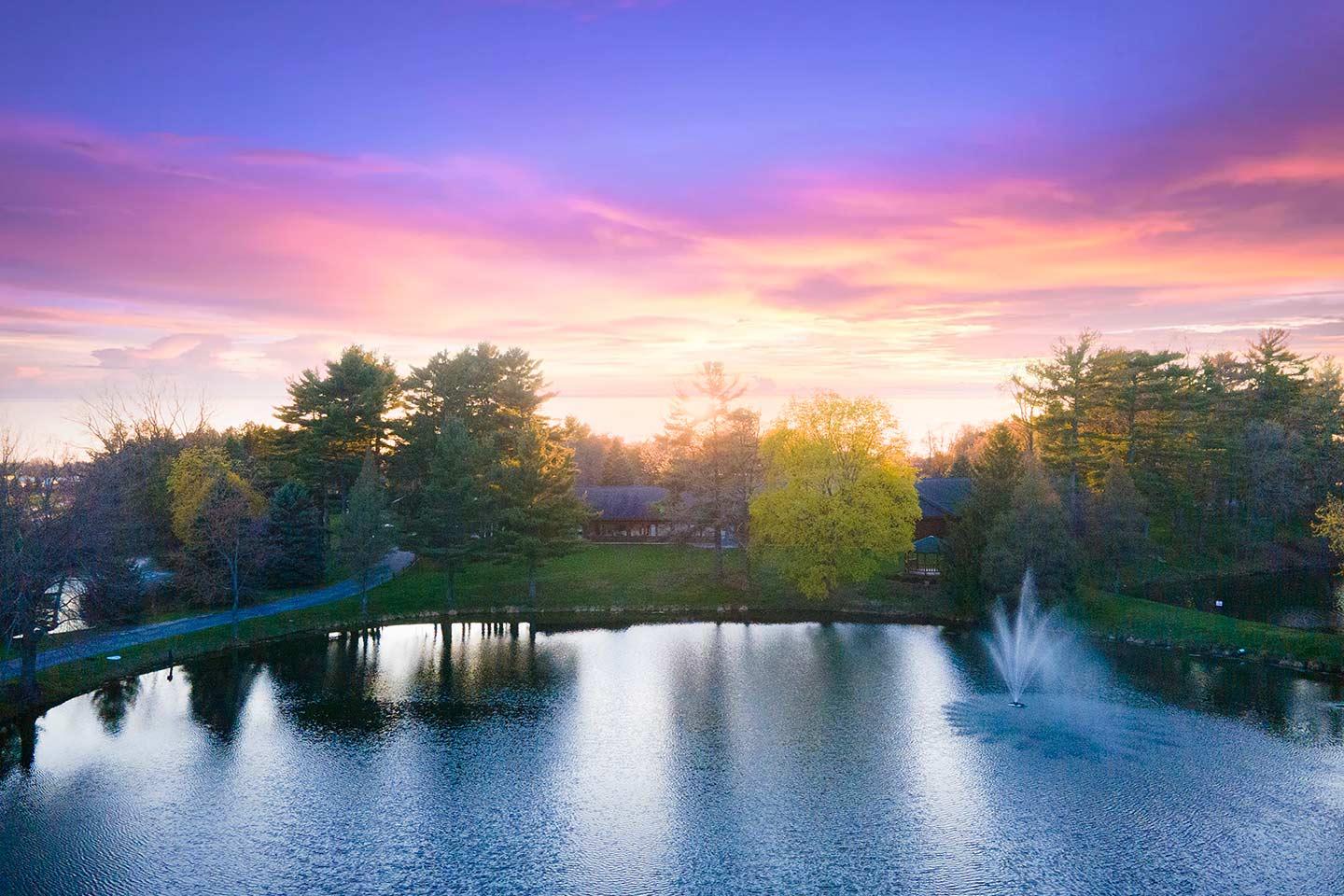
SEO Information Gain Insight: Mechanical aeration increases dissolved oxygen transfer efficiency (SOTE) by up to 340% compared to natural atmospheric diffusion, drastically reducing Biological Oxygen Demand (BOD) and Chemical Oxygen Demand (COD) loadings without requiring heavy chemical algaecides.
Built upon six decades of continuous mechanical innovation in Holland, Michigan, USA since 1963.
Engineered with 100% oil-free, environmentally safe, continuous-duty stainless steel motors. Zero risk of hydrocarbon contamination in sensitive fisheries or commercial reservoirs.
Precision-cast self-cleaning propellers push thousands of gallons per minute (GPM), inducing laminar flow vertical overturn and destroying harmful thermal stratification.
Every commercial system undergoes rigorous pressure, electrical insulation, and dynamic balance testing before leaving our facilities. Backed by industry-leading warranties.
Tailored Solutions Designed for Depth, Volume, Visual Appeal, and Four-Season Climate Performance.
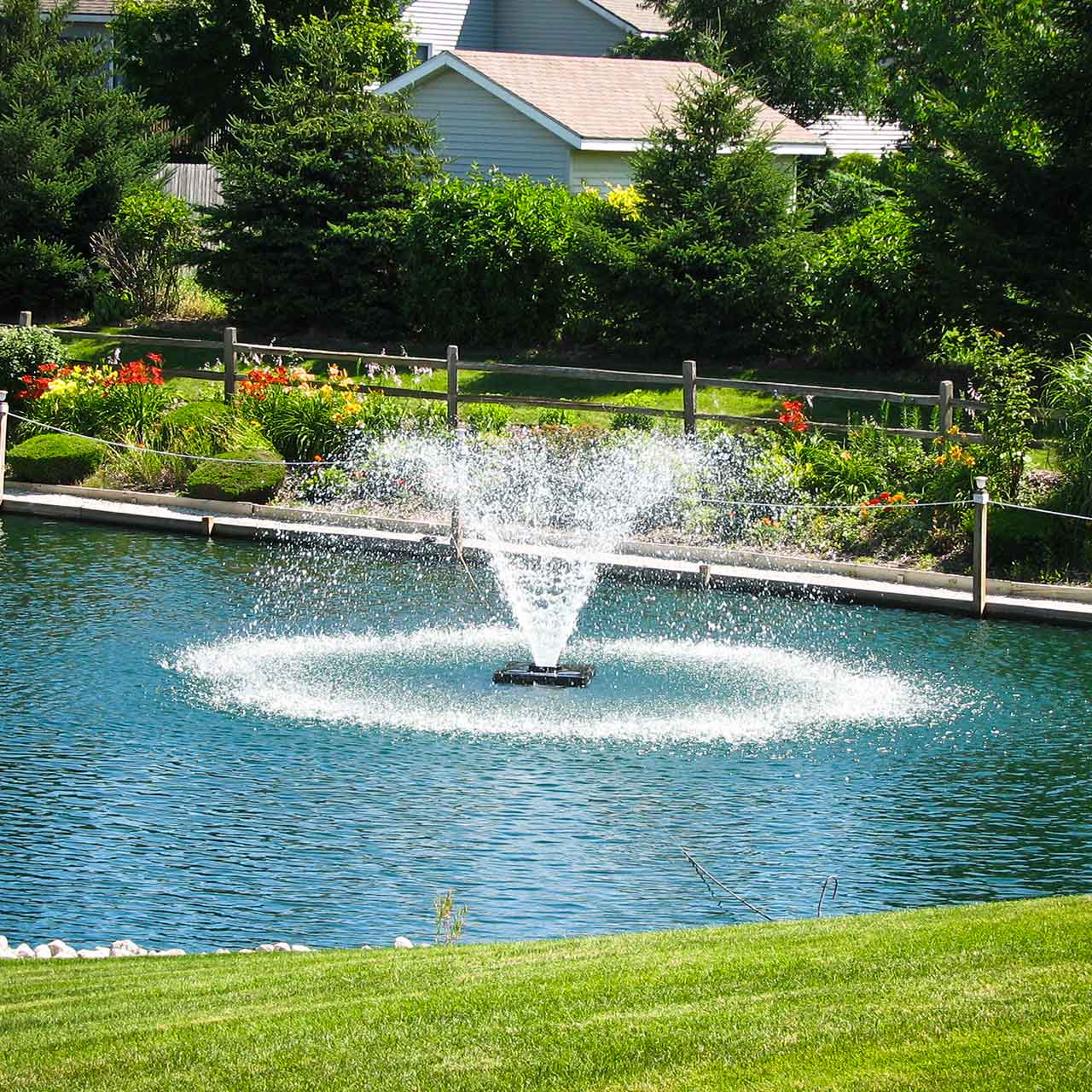
Engineered for shallow to moderate-depth water bodies (under 15 feet). Systems like the Boilermaker and North Star push massive water volumes into the air, creating violent surface gas exchange to expel carbon dioxide and quickly inject dissolved oxygen.
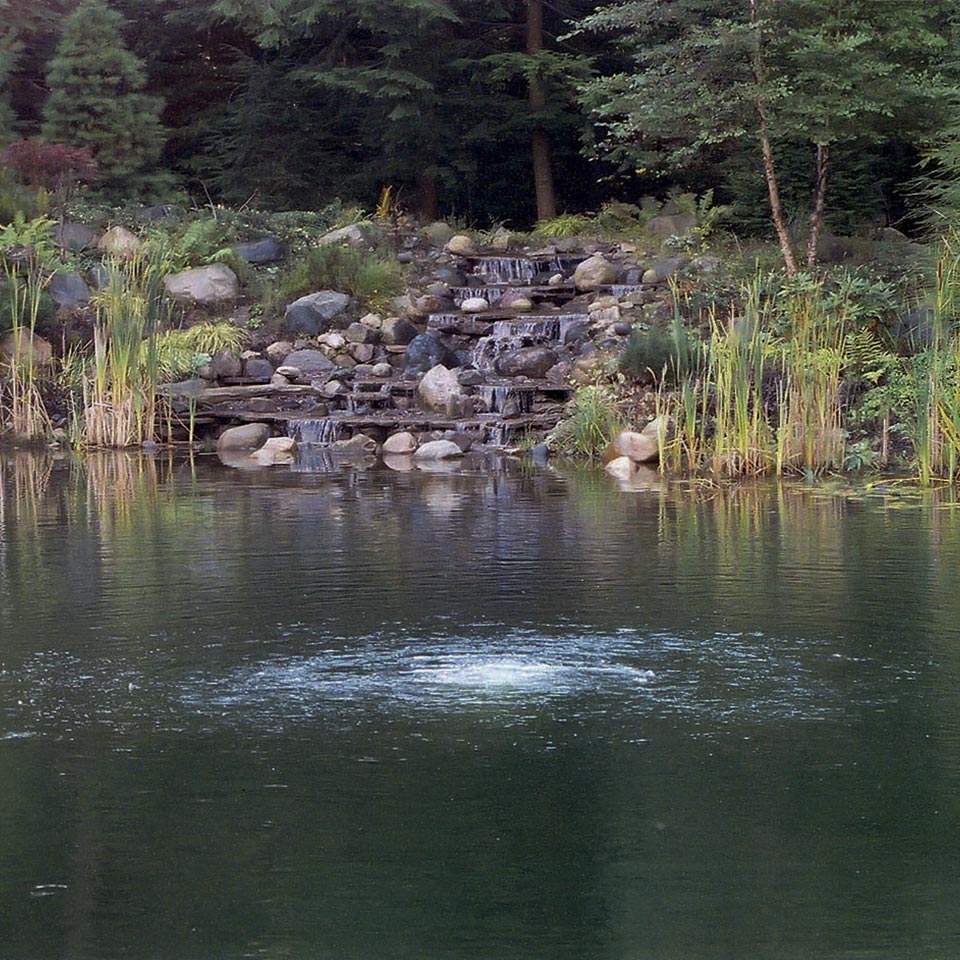
Ideal for deep lakes and reservoirs (15 to 50+ feet). Subsurface cabinet compressors pump air down to self-cleaning membrane diffusers located on the pond floor. Billions of micro-bubbles column up, pulling thousands of gallons of deep hypolimnetic water upward.
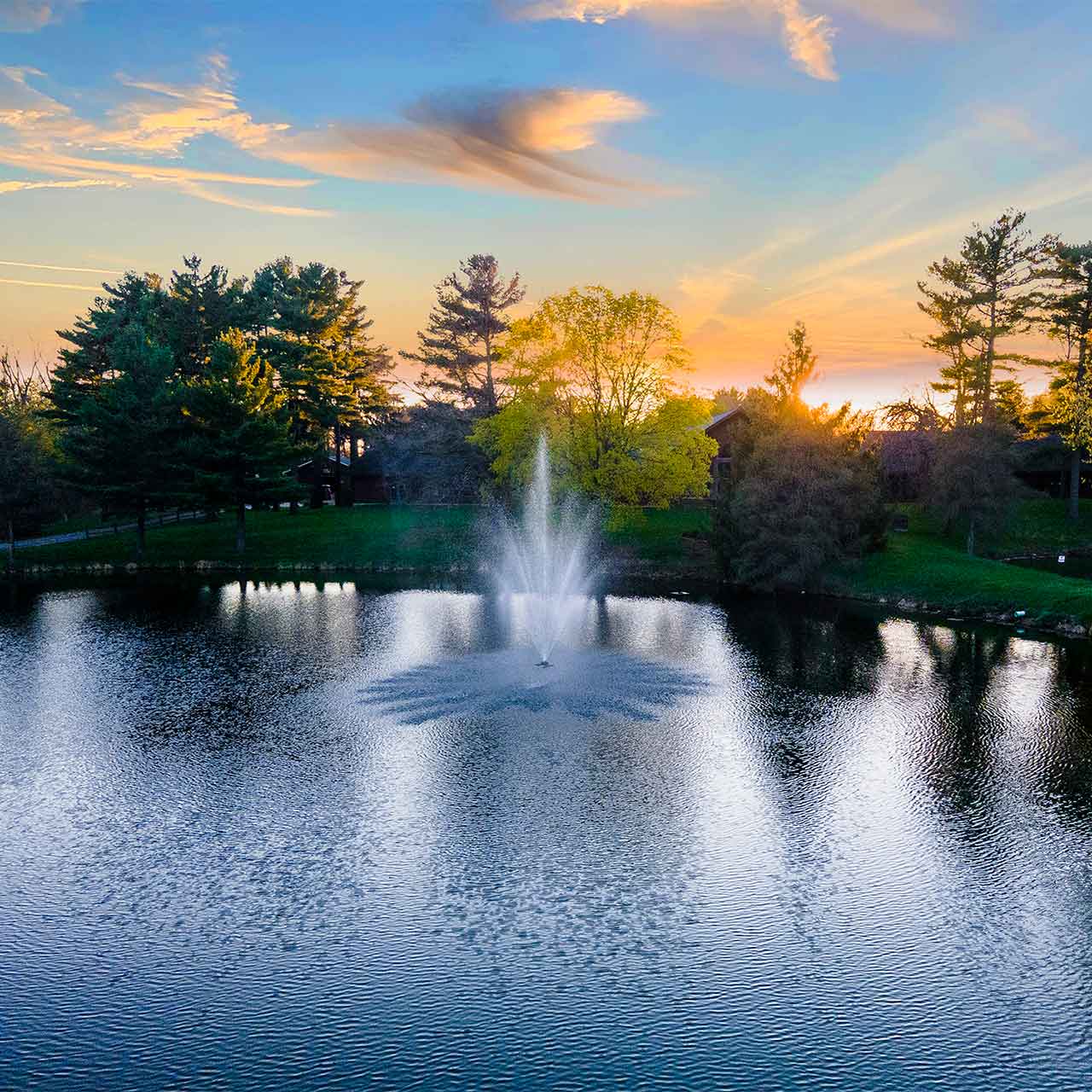
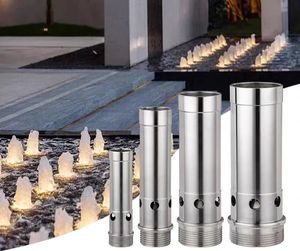
Combining biological aeration with high-impact visual aesthetics. Features interchangeable brass and stainless nozzle patterns (Amherst, Triad, Clover, Gusher) paired with ultra-bright commercial RGB LED light sets for HOAs, hotels, and public parks.
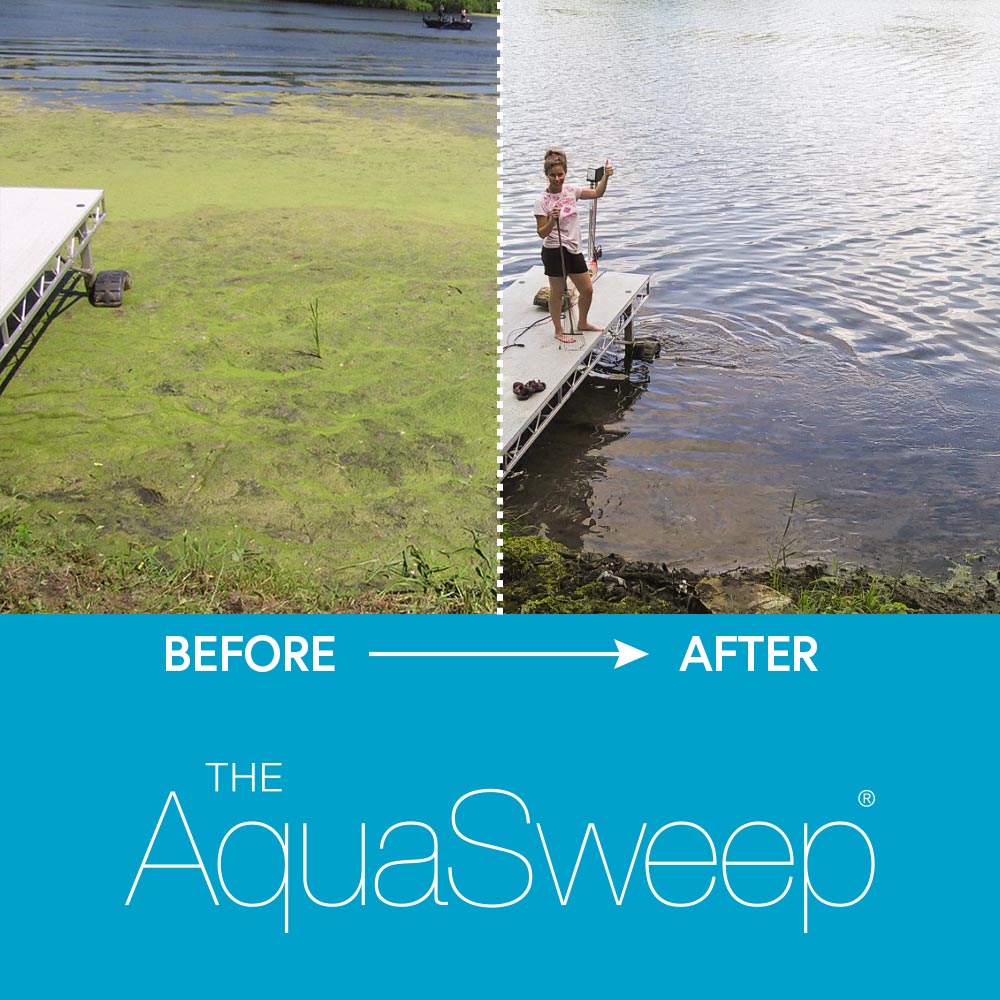
High-velocity hydro-propulsion sediment clearing systems. Designed to blast accumulated organic muck, sludge, silt, and decaying organic debris away from commercial docks, beachfronts, swim areas, and marina channels.
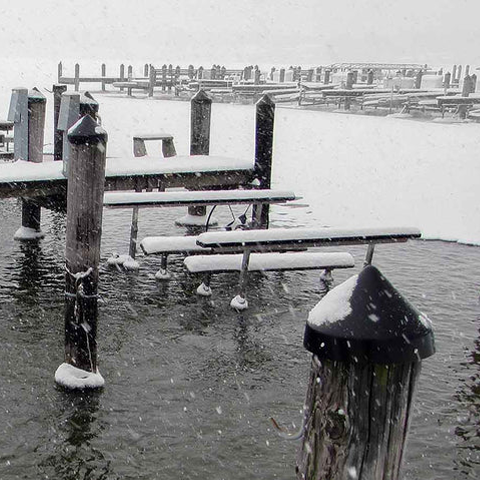
Four-season ice prevention equipment. Dock-mount and floating de-icers draw warm water from deeper layers to the surface, maintaining open ice-free zones to protect structural dock pilings, boats, and retaining seawalls from catastrophic winter ice pressure.
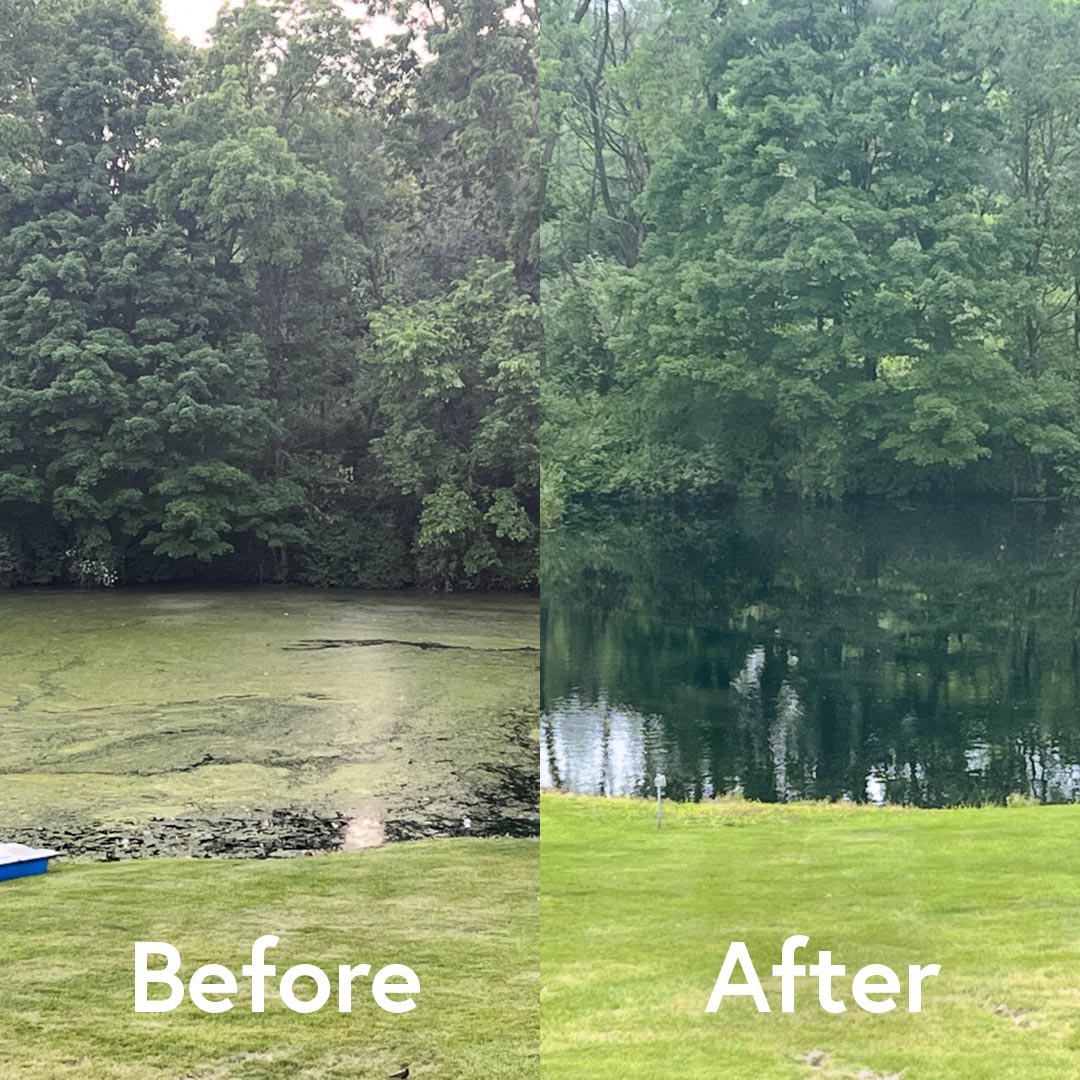
Eco-friendly, enzyme-concentrated bio-pills and beneficial bacterial cultures designed to digest dissolved nutrients (nitrates and phosphates) in conjunction with continuous mechanical aeration for pristine water clarity.
Comparative Performance Specifications for Commercial Engineering & Municipal Procurement Selection.
| Aeration System Type | Optimal Depth Range | GPM / CFM Delivery | Primary Commercial Benefit | Energy Efficiency Rating | Recommended Sector |
|---|---|---|---|---|---|
| Surface Boilermaker Aerator | 2 ft – 12 ft (0.6m – 3.6m) | 400 – 1,200 GPM | High Standard Oxygen Transfer (SOTE) & Rapid Degassing | High Flow / High Oxygen | Fisheries, Hatcheries, Stormwater Basins |
| Subsurface Diffused Aeration | 8 ft – 50+ ft (2.4m – 15m+) | 2.5 – 18.0 CFM | Complete Vertical Stratification Overturn & Zero Noise | Ultra-Low Power Draw | Deep Lakes, Reservoirs, Municipal Parks |
| Commercial Display Fountains | 4 ft – 20 ft (1.2m – 6.0m) | 300 – 800 GPM | High Visual Impact Spray Patterns + Surface Circulation | Aesthetic & Aeration | Resorts, Golf Courses, Commercial Real Estate |
| AquaSweep® Muck Blasters | 3 ft – 15 ft (0.9m – 4.5m) | 500 GPM Direct Thrust | Hydro-Propelled Organic Sludge & Silt Removal | Targeted De-silting | Marinas, Private Beaches, Boathouses |
| Industrial Floating De-Icers | 4 ft – 30 ft (1.2m – 9.0m) | Continuous Thermal Flow | Structural Ice Damage Prevention (Up to 80ft Open Radius) | Seasonal Protection | Ports, Commercial Docks, Northern Marinas |
Market Shifts Driving Next-Generation Aeration Infrastructure & Smart Water Quality Monitoring.
Modern commercial installations are rapidly moving toward real-time telemetry integrations. Next-gen aerators automatically adjust motor RPM or engage compressor banks based on continuous optical DO sensor feedback, reducing energy consumption by up to 40% annually.
With corporate ESG targets accelerating globally, remote water bodies are adopting heavy-duty solar-powered subsurface aeration systems equipped with brushless DC (BLDC) motors and lithium iron phosphate ($LiFePO_4$) energy storage for 24/7 continuous off-grid operation.
Regulatory restrictions on copper sulfate and chemical algaecides are pushing environmental managers toward mechanical-biological synergy—combining high-capacity micro-bubble aeration with bio-engineered aerobic bacterial dosing to break down toxic organic nutrients naturally.
A step-by-step technical framework utilized by civil engineers and project managers to calculate proper oxygen loading.
Technical & Procurement Insights Answered by Senior Aquatic Equipment Engineers.
The selection between surface aeration and subsurface diffused aeration depends primarily on water depth and primary project objectives:
Traditional lower-grade pumps often utilize oil-filled motors that rely on mechanical oil seals. In the event of seal wear or failure, toxic dielectric oil leaks directly into the ecosystem. This causes environmental degradation, fish mortality, and severe regulatory liability for commercial property owners. Our 100% oil-free, water-lubricated stainless steel motors completely eliminate hydrocarbon contamination risks while delivering continuous 24/7 heavy-duty operation.
Organic muck accumulates when dead algae, leaves, and fish waste fall to the anaerobic (oxygen-starved) bottom of a pond. Anaerobic bacteria digest organic matter very slowly, releasing foul-smelling hydrogen sulfide gas ($H_2S$). Continuous mechanical aeration introduces dissolved oxygen throughout the bottom layer, converting the environment from anaerobic to aerobic. Aerobic bacteria break down organic sludge up to 20 times faster than anaerobic bacteria, naturally digesting the muck layer into harmless carbon dioxide and water.
Most standard commercial aeration systems, fountains, and de-icers are manufactured in our Michigan facility and ship within three business days of order confirmation. For bulk OEM orders, international commercial projects, or customized voltage requirements (e.g., 50Hz vs 60Hz single/three-phase configurations), our dedicated export logistics team provides air/sea freighting options with full CE/UL export documentation.
Yes. Winter fish kills occur when ice and snow cover a pond, blocking sunlight and preventing photosynthesis. Submersed organic matter continues to decay, consuming remaining dissolved oxygen while toxic gases become trapped beneath the ice. Operating subsurface diffused aerators or floating de-icers creates open-water escape holes through the ice, allowing dangerous gases to vent out and maintaining safe dissolved oxygen levels for aquatic life throughout harsh freezing winters.
Mechanical excavating or hydraulic dredging can cost between $20,000 and $100,000+ per acre, requires heavy equipment access, disrupts shorelines, and involves costly sludge disposal fees. An AquaSweep® hydro-propulsion muck blaster costs a fraction of dredging, continuously currents organic silt away from docks and swim areas, and prevents muck accumulation dynamically at an operating energy cost of just dollars per day.

Contact our engineering sales department today for technical consultations, customized sizing calculations, CAD drawings, and international B2B factory pricing.
Send an Inquiry