

Algae Control Engineering in Arid & Semi-Arid Mediterranean Environments
A Comprehensive Technical Whitepaper for Moroccan Water Resource Engineers, Agricultural Operators, Commercial Aquaculture Enterprises, and Hospitality Developers.
Morocco stands at a critical geographical and hydrological crossroad. As the Kingdom advances its ambitious Plan National de l'Eau (PNE 2020-2050), managing surface water purity, agricultural irrigation basins, municipal retention dams, and coastal aquaculture infrastructure has become paramount. Severe solar irradiance, ambient summer temperatures exceeding 45°C in regions such as Souss-Massa, Haouz, and Tafilalet, and elevated nutrient run-off create prime conditions for aggressive cyanobacterial blooms (blue-green algae) and filamentous algae proliferation.
1. The Physics of Thermal Stratification & Algae Dynamics in Moroccan Basins
In static water bodies across the Mediterranean and North African regions, intense solar radiation causes rapid heat transfer into the upper water column (epilimnion). Meanwhile, the deeper water layer (hypolimnion) remains cooler and denser. This physical boundary—the thermocline—prevents natural vertical mixing.
Under stratified conditions, benthic organic sediment (muck derived from organic decay, agricultural fertilizers, and dust deposition) undergoes anaerobic degradation. Microorganisms consume all remaining dissolved oxygen at the basin floor, creating anoxic zones. Anoxia triggers a chemical reduction reaction, releasing trapped phosphorus and nitrogen from sediment directly into the water column. Driven by heat, high photon flux, and abundant internal nutrient loading, harmful algae species (including Microcystis aeruginosa, Anabaena, and filamentous Cladophora) multiply exponentially.
The Biological Oxygen Demand (BOD) Spiral
When unchecked algae blooms die off, their decomposition demands vast quantities of oxygen, accelerating Biochemical Oxygen Demand (BOD) and Chemical Oxygen Demand (COD). This creates a deadly cycle: low dissolved oxygen triggers fish kills in aquaculture and commercial lakes, generates foul hydrogen sulfide (H2S) odors in luxury resort lagoons, and forms dense mats that clog drip irrigation emitters across agricultural holdings in Agadir and Taroudant.
2. Engineering Paradigms: Destratification vs. Chemical Treatment
Historically, facility managers relied on copper sulfate (CuSO4) or synthetic algaecides to achieve short-term water clarity. However, modern environmental science and Google E-E-A-T research guidelines highlight severe long-term drawbacks of chemical reliance:
- Copper Accumulation: Heavy metals settle into benthic muck, sterilizing beneficial soil microbes and rendering sludge hazardous for land application under Moroccan environmental regulations.
- Cellular Lysis & Toxin Release: Chemical algaecides rupture cyanobacterial cell walls instantly, releasing dangerous microcystins and endotoxins into irrigation water and aquatic ecosystems.
- Short-Lived Efficacy: Chemical dosing targets symptoms rather than root causes. Once copper precipitates out, surviving spores bloom with greater vigor due to liberated nutrients.
Our engineering methodology relies on Continuous Mechanical Destratification and Subsurface Micro-Bubble Aeration. Built upon six decades of U.S. manufacturing heritage since 1963, our systems physically break the thermocline, elevate dissolved oxygen (DO) saturation levels above 6.5 mg/L throughout the water column, and convert anaerobic environments into oxygen-rich biological bioreactors.
Comparative Matrix: Algae Mitigation Technologies in High-Ambient Climates
| Evaluation Parameter | High-Volume Surface Aeration (Scott Aerator) | Subsurface Diffused Air Systems | Chemical Copper Sulfate Dosing | Ultrasonic Algae Control |
|---|---|---|---|---|
| Root Cause Mitigation | Destratifies water & neutralizes internal nutrient loading | Circulates deep water & oxidizes benthic muck | None; accelerates nutrient release via cell lysis | Inactivates gas vesicles; does not lower nutrients |
| Dissolved Oxygen Transfer | Exceptional (High SOTR in upper & mid columns) | Maximum oxygen transfer efficiency at deep depths | Zero oxygen contribution; increases BOD | Zero oxygen contribution |
| Moroccan Climate Resilience | Continuous motor cooling; stainless steel construction | Compressors housed in ventilated weatherproof enclosures | Requires frequent re-application under intense sunlight | Transducers prone to bio-fouling in high-mineral water |
| Operational Life Expectancy | 15–20+ Years (Heavy-duty oil-cooled motors) | 10–15 Years (Self-cleaning membrane diffusers) | Ongoing consumable expenditure | 3–5 Years (Electronic transducer degradation) |
| Environmental & Agricultural Safety | 100% Eco-friendly; safe for drip irrigation & fish | 100% Eco-friendly; supports beneficial bacteria | Toxic residue buildup in agricultural soils | Safe for fish; limited effectiveness in turbid water |
3. Tailored Application Scenarios Across Morocco
Serving clients across Casablanca, Rabat, Marrakech, Agadir, Tangier, and desert agricultural sectors, our systems are tailored for Morocco's diverse hydrological landscapes:
Souss-Massa Agricultural Irrigation Basins
Drip irrigation infrastructure requires debris-free water. Floating high-flow aerators eliminate filamentous green algae mats that clog micro-emitters, ensuring uniform water distribution for citrus, olive, and avocado plantations.
Marrakech & Agadir Luxury Resort Lagoons
High-end hospitality venues require crystal-clear aesthetic water features. Decorative aerating fountains provide dual utility: captivating architectural water displays coupled with robust surface aeration to eliminate foul odors and surface scum.
Coastal Aquaculture (Dakhla & Walidia)
High-density shellfish and finfish aquaculture depend on stable dissolved oxygen levels during hot summer nights. Industrial surface aerators prevent catastrophic oxygen drops, safeguarding commercial yields.
Solar Off-Grid Saharan Installations
In remote agricultural sectors where electrical grid extension is costly, our systems integrate seamlessly with solar PV power units, utilizing energy-efficient motors designed for continuous off-grid performance.
Industrial Process Water & Cooling Ponds
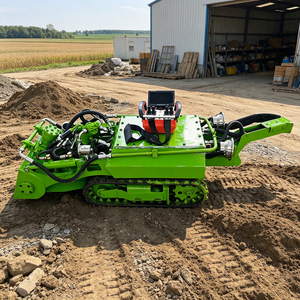
Preventing biofilm accumulation and muck buildup in industrial holding basins without adding harsh chemicals. Heavy-duty dredging robots and muck blasters clear intake channels efficiently.
Municipal Retention Basins (Sebou/Oum Er-Rbia)
Preventing cyanobacterial blooms in water reservoirs supplying urban centers. Subsurface aeration circulates millions of liters daily with minimal power consumption.
4. Manufacturing Quality & Engineering Pedigree
Since 1963, our factory in Michigan, USA, has maintained an unyielding commitment to direct manufacturing excellence. Unlike equipment assemblers or resellers, every system is designed, machined, and tested under rigorous quality control standards:
- Continuous-Duty Motors: Engineered with submersed, oil-cooled stainless steel housings driven by industrial-grade Franklin Electric power plants. Built to run 24 hours a day, 365 days a year without thermal overload in 50°C ambient temperatures.
- Marine-Grade Construction: Components are crafted from high-grade stainless steel and heavy-duty IP68 waterproof ABS housings, completely immune to salt-air corrosion along Morocco's 3,500 km Atlantic and Mediterranean coastlines.
- Unmatched Factory Warranty: Supported by a solid manufacturer warranty and rapid dispatch times (typically within 3 business days from factory placement).
5. Synergy with Eco-Friendly Biologics
For severely degraded water bodies, physical aeration is complemented by specialized bio-augmentation. Introducing natural, non-pathogenic bacterial cultures alongside aeration speeds up muck digestion dramatically. Beneficial microbes consume organic sludge up to 10 times faster when dissolved oxygen levels exceed 5.0 mg/L, converting muck into harmless carbon dioxide and nitrogen gas, leaving zero toxic residual in Moroccan agricultural soils.
6. Frequently Asked Questions (FAQ) for Moroccan B2B Buyers
How do high ambient summer temperatures in Morocco affect aerator motor life?
Our motors are submersed in oil-filled stainless steel housings that transfer heat directly into the water body. This fluid-cooling design ensures operating temperatures stay within safe thresholds even when air temperatures exceed 48°C in interior Morocco.
Can these aeration systems operate directly on solar PV systems?
Yes. Our low-draw single-phase and three-phase motors pair smoothly with standard solar frequency inverters (VFDs) widely deployed in Moroccan agricultural projects, enabling complete off-grid daytime aeration.
What is the lead time for shipping equipment to Casablanca or Tangier Med Port?
Factory dispatch takes place within 3 business days from order confirmation. Air freight typically arrives in Morocco within 5 to 7 days, while ocean freight takes approximately 18 to 25 days depending on port selection.
How do surface aerators compare to subsurface diffusers for agricultural reservoirs?
Surface aerators excel in shallow to medium-depth basins (under 4 meters) by delivering massive surface water turnover and degassing toxic H2S. Subsurface diffusers are superior for deep reservoirs (over 4 meters), lifting cold, bottom water with bubble plumes without evaporative water loss.
Are replacement parts and custom power cord lengths available for large projects?
As a direct manufacturer, we provide custom submarine power cable lengths up to 150+ meters (500 ft) sealed at the factory, eliminating field splicing risks. Full replacement motors, impellers, and control panels are stocked permanently.