
Direct factory supply for Japanese engineering contractors, municipal buyers, and high-density aquaculture managers.

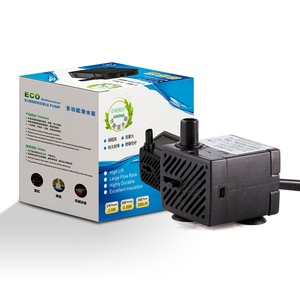

Addressing thermal stratification, sediment hypoxia, and oxygen sag in urban parks, Nishikigoi ponds, and intensive aquaculture facilities.
The Greater Tokyo Metropolitan Area presents unique challenges for aquatic resource management. Characterized by dense urban infrastructure, high summer ambient temperatures exceeding 35°C, and strict municipal noise regulations, water bodies in Tokyo—ranging from traditional Japanese landscape ponds (Chisen-kaiyushiki) to intensive Recirculating Aquaculture Systems (RAS)—face severe oxygen depletion and rapid eutrophication.
Without proactive mechanical circulation, shallow and moderate-depth water bodies suffer from thermal stratification. Warm, low-density surface water traps solar radiation, while organic bottom muck consumes dissolved oxygen (DO) through microbial decay, leading to anaerobic conditions, noxious hydrogen sulfide emissions, algae blooms, and catastrophic fish mortality.
"As a leading China manufacturer and exporter, our engineering team manufactures advanced subsurface diffusers and surface splash aerators specifically configured for East Japan’s 100V/200V 50Hz electrical standards, delivering maximum Standard Oxygen Transfer Efficiency (SOTE) with minimal power draft."
Understanding how bubble sizing, rising velocity, and water depth drive dissolved oxygen transfer efficiency.
Subsurface porous diffusers create micro-bubbles (1–3mm in diameter). Micro-bubbles increase total interfacial surface area exponentially compared to standard coarse bubbles, extending contact residence time as bubbles rise slowly through the water column.
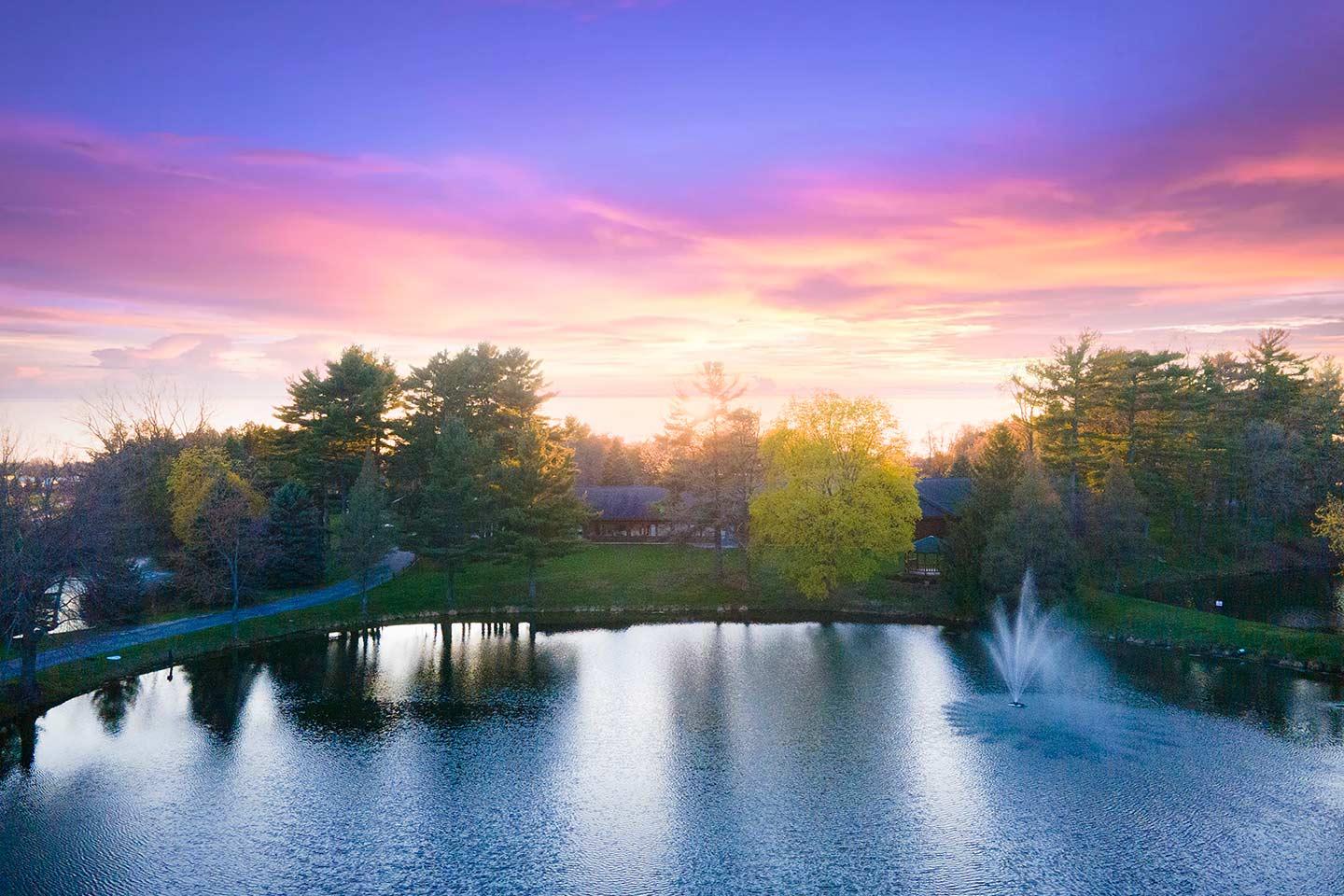
By forcing massive volumes of oxygen-depleted bottom water to the surface, surface fountain aerators and high-volume boilermakers release trapped toxic gases ($CO_2$, $NH_3$, $H_2S$) into the atmosphere while absorbing atmospheric oxygen.
Maintaining dissolved oxygen levels above 6.0 mg/L at the sediment layer stimulates aerobic heterotrophic bacteria. Beneficial microbes digest organic sludge (muck) up to 5 times faster than anaerobic bacteria without producing foul odors.
Specific engineering setups designed for Japan's cultural, municipal, and commercial aquatic facilities.
Tokyo koi breeders and high-end residential pond owners require strict biosecurity and silent operation. High oxygen levels (>7.5 mg/L) are vital for vibrant skin pigmentation, immune defense, and digestion in valuable Koi. Our ultra-quiet subsurface aeration systems operate below 35 dB, ensuring pristine water clarity without acoustic distress to fish.
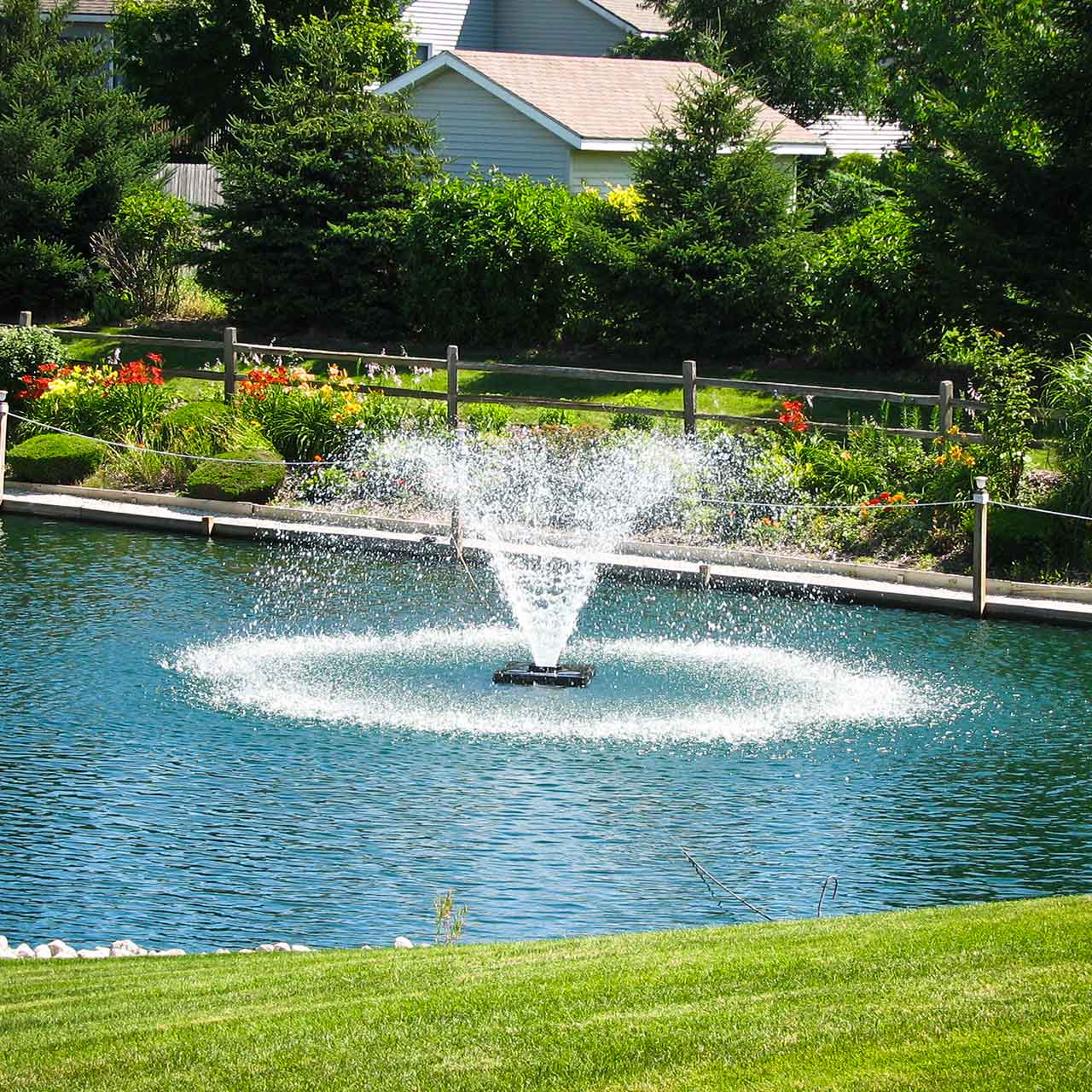
Historic urban moats and public park ponds in Tokyo wards (such as Chiyoda, Shinjuku, and Meguro) experience heavy organic runoff. Floating fountain aerators provide high visual aesthetic value for park visitors while continuously driving surface circulation to eliminate stagnant scum and mosquito breeding grounds.
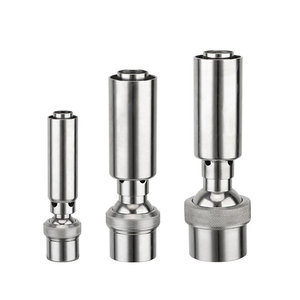
Facilities along Tokyo Bay utilizing Recirculating Aquaculture Systems (RAS) demand uninterrupted oxygen enrichment. Our heavy-duty continuous-duty oil-free pumps and marine-grade SUS316 fountain heads resist corrosive brackish environments while keeping energy consumption remarkably low.
Designing aeration equipment that aligns with Tokyo Metropolitan Government environmental policies.
Japanese procurement managers prioritize long-term reliability, low total cost of ownership (TCO), and absolute compliance with safety standards:
Comprehensive engineering benchmarks for system selection based on pond volume and depth.
| System Type | Optimal Water Depth | Oxygen Transfer Rate (SOTE) | Power Rating / Voltage | Primary Japanese Application |
|---|---|---|---|---|
| Subsurface Micro-Diffuser | 1.5m – 8.0m | High (3.5 - 4.2 kg O₂/kWh) | 100V / 200V 50Hz (0.5 - 3.0 HP) | Nishikigoi Koi Ponds, Deep Reservoirs, Commercial Aquaculture |
| Surface Boilermaker Aerator | 0.8m – 2.5m | Medium-High (2.2 - 3.0 kg O₂/kWh) | 100V / 200V 50Hz (1.0 - 5.0 HP) | Shallow Municipal Park Lakes, Stormwater Detention Basins |
| Decorative Display Fountain | 1.0m – 4.0m | Moderate (1.2 - 1.8 kg O₂/kWh) | 100V / 200V 50Hz (1.5 - 7.5 HP) | Hotel Gardens, Golf Course Ponds, Urban Commercial Real Estate |
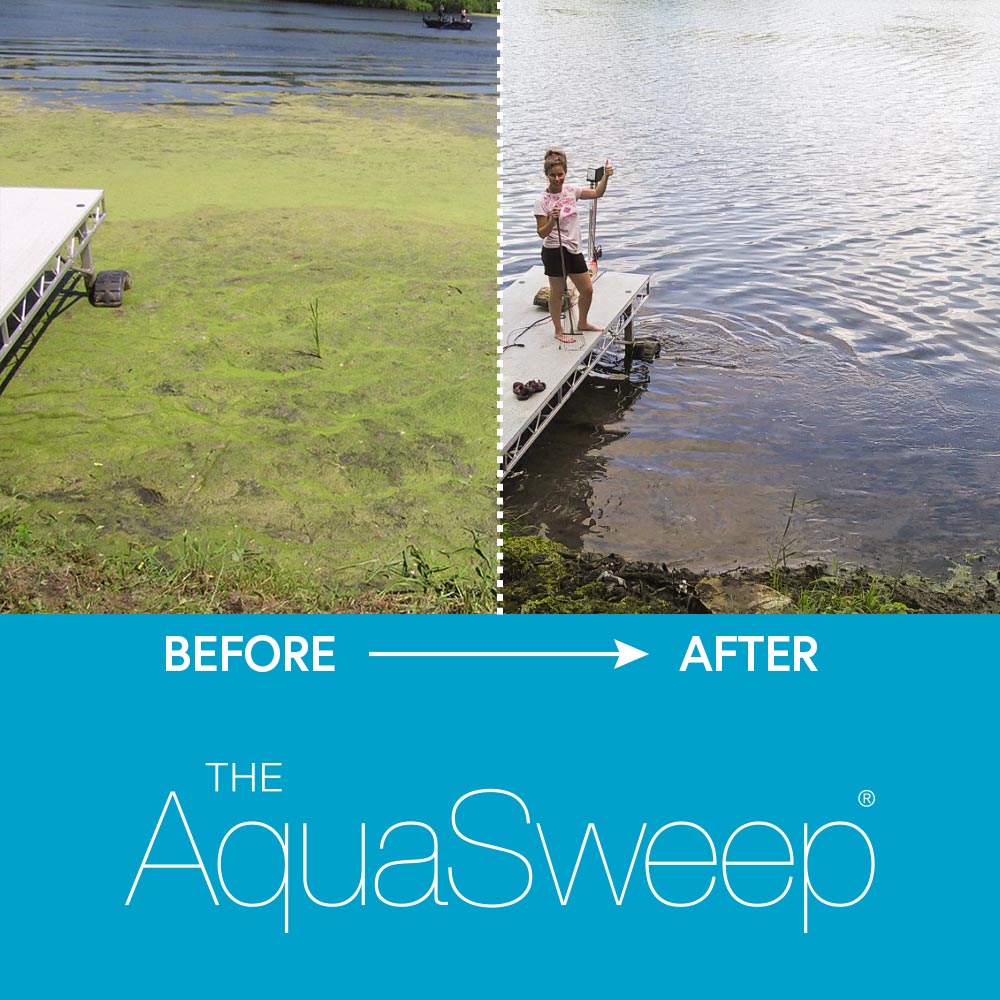
| AquaSweep® Muck Blaster | 0.6m – 2.0m | Circulation Focused (>4,000 GPM) | 100V 50Hz (0.5 - 1.0 HP) | Dock Sediment Clearing, Beach Muck Removal, Marina Basins |
| Floating De-Icer System | 0.5m – 3.0m | Thermal Upwelling Circulation | 100V 50Hz (0.5 - 1.0 HP) | Winter Seawall Protection, Dock Ice Prevention in Northern Kanto |
Combining 60+ years of engineered design legacy with advanced OEM/ODM customization capabilities.
Our production facilities integrate high-precision CNC machining, automated motor winding, dynamic impeller balancing, and strict pressure vessel testing to ensure zero-defect exports to Japan.
Situated in proximity to major container shipping hubs, we ensure quick sample turnaround and rapid fulfillment within 3 business days for standard stock orders bound for Tokyo/Yokohama ports.
We provide full white-label manufacturing, custom electrical cabling (10m–100m waterproof lead wires), specialized spray pattern nozzles, and custom brand packaging for Japanese distributors.
Our dual-season propeller and blower technology delivers year-round utility. In summer, AquaSweep® sediment blasters push organic detritus away from swim zones and docks. In winter, floating de-icers draw warm 4°C bottom water upward to keep ice from crushing docks, pilings, and boat lifts in chilly Kanto winters.
Technical guidance for specifying and ordering pond aeration systems for Japan.
For shallow water bodies (<1.5m depth) or where dramatic spray patterns are desired, surface aerators or decorative fountains are ideal. For deeper ponds (>2.0m), Nishikigoi holding tanks, or sites where surface disturbance is unwanted, subsurface diffusers offer higher Standard Oxygen Transfer Efficiency (SOTE) with zero spray drift.
Yes. Motors exported to Tokyo, Kanagawa, and Chiba are specifically wound for 50Hz single-phase (100V/110V) or three-phase (200V) electrical supplies, ensuring cool continuous-duty operation without risk of frequency-induced overheating.
Continuous subsurface micro-bubble aeration maintains uniform dissolved oxygen levels above 7.0 mg/L throughout the entire water column, stripping out carbon dioxide and ammonia gas while accelerating bio-filter nitrification, resulting in reduced stress and superior growth rates for Koi.
Standard order production requires 1 to 3 business days. Sea freight dispatch from China to Tokyo/Yokohama port generally takes 3 to 5 transit days, making quick-turnaround project fulfillment achievable.
Absolute transparency and customization are core strengths. We supply quick-disconnect marine cables in custom lengths up to 100+ meters, fitted with Japanese PSE-marked molded plugs or bare wire tails for control panel integration.
Yes. We offer complete OEM/ODM technical packages, customized CAD drawing files, instruction manuals, and direct engineering support by phone or email to assist your local installation teams.
Consult with our senior fluid dynamics engineers to specify the exact aerators, decorative fountains, or subsurface diffusers for your Tokyo infrastructure or commercial project.
Inquire Now