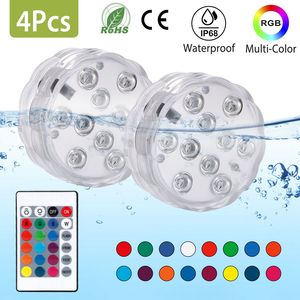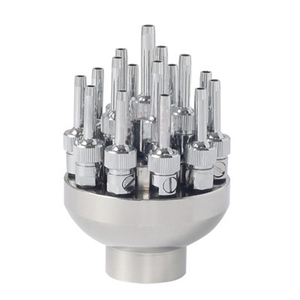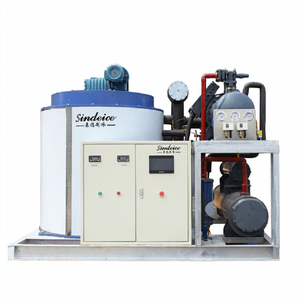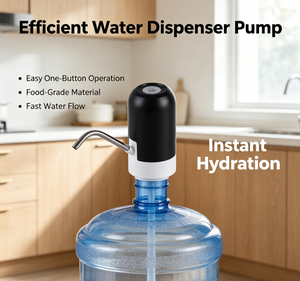
Explore our specialized equipment portfolio engineered for robust performance in demanding New Zealand environments.
Managing surface water bodies across New Zealand presents a unique set of hydro-ecological challenges. From the nutrient-heavy runoff in Canterbury’s agricultural plains to the deep thermal stratification occurring in volcanic lakes across the Rotorua and Taupo districts, traditional surface agitating aerators often fall short of meeting environmental compliance limits. As a direct OEM subsurface aerator manufacturer, our engineering framework centers on laminar flow bottom diffusion dynamics—a process engineered to break thermal stratification while delivering maximum Standard Oxygen Transfer Rate (SOTR) at minimal power consumption.
In deep water reservoirs (>2.5 meters), solar radiation creates distinct thermocline layers. Subsurface diffusers release millions of micro-bubbles at the bed floor, inducing a massive vertical airlift column that pushes cold, anoxic bottom water to the surface for continuous atmospheric gas exchange.
By delivering continuous dissolved oxygen (DO) levels above 5.0 mg/L directly to the sediment interface, aerobic bacteria proliferate exponentially. This accelerates the biological oxidation of organic sludge (muck), drastically suppressing hydrogen sulfide (H₂S) odors and noxious ammonia spikes.
Unlike power-hungry splash fountains that only circulate surface skins, bottom-diffused system compressors operate with ultra-low current draw per volume. This enables seamless integration with standard NZ 230V mains or off-grid solar PV micro-grids across remote stations.
To assist environmental engineers, regional council planners, and commercial farm managers across New Zealand in specifying the optimal aeration methodology, the structural evaluation table below outlines performance characteristics:
| Evaluation Parameter | OEM Subsurface Diffused System | Surface Splashing Aerators | Chemical Dosing / Algaecides |
|---|---|---|---|
| Operating Water Depth | Optimal at 1.5m to 15m+ | Restricted to Shallow (< 2.0m) | Depth Independent |
| Oxygen Transfer Method | EPDM Micro-Bubble Columns | Mechanical Surface Agitation | Chemical Oxidation Reagents |
| Energy Efficiency (SOTR/kW) | High (Up to 3.8 kg O₂/kWh) | Moderate (1.1 - 1.6 kg O₂/kWh) | N/A (Ongoing Chemical Cost) |
| Benthic Muck Reduction | Direct Aerobic Breakdown | Minimal Bottom Effect | Zero (Causes Sludge Accumulation) |
| Algae Suppression Mechanism | Nutrient Binding via Oxidation | Shallow Physical Disturbance | Toxic Cell Lysis (Temporary) |
| Long-term Environmental Compliance | 100% Eco-Friendly (RMA Aligned) | Eco-Friendly | High Regulatory Scrutiny |
Custom OEM subsurface aerators engineered specifically to address regional micro-environments and commercial regulations across New Zealand.
Dairy effluent management under regional council rules (e.g., Waikato Regional Council Rule 3.5) requires severe reduction of biochemical oxygen demand prior to pasture discharge. Our heavy-duty subsurface diffusers feature non-clog membrane geometry that prevents bio-fouling, maintaining high dissolved oxygen to rapidly breakdown thick solids, reduce crusting, and eliminate offensive odor plumes during hot summer months.
In aquaculture regions such as Marlborough, Canterbury, and Tasman, maintaining stress-free dissolved oxygen levels (>7.5 mg/L) is imperative for fish feed conversion ratios (FCR) and survival rate. Our custom OEM compressor manifolds support variable airflow staging, ensuring continuous 24/7 oxygenation without creating high-velocity turbulence that stresses juvenile fish stock.
Stormwater retention basins in Auckland, Christchurch, and Tauranga frequently suffer from blue-green cyanobacteria algae blooms caused by urban phosphorus runoff. Bottom subsurface aeration immobilizes reactive phosphorus in the benthic sediments through iron-phosphate oxidation, effectively starving nuisance algae without relying on chemical algaecides.
In Hawke’s Bay and Marlborough, pristine irrigation water is essential to prevent drip-emitter clogging caused by bio-slimes and floating algae. Our bottom aeration systems ensure clear, highly-oxygenated water that enhances root respiration, reduces drip-line flushing intervals, and improves crop resilience during drought conditions.
New Zealand’s water management framework is undergoing significant regulatory transformation under the national mandate for Te Mana o te Wai—prioritizing the health and well-being of water bodies first. As regional councils enforce stricter environmental standards, industrial and agricultural operators are shifting away from reactive chemical treatments toward proactive physical ecosystem restoration.
With vast pastoral runs and high-country stations across the South Island lacking grid electricity, remote water storage dams rely heavily on custom solar-powered subsurface aerators. OEM manufacturers must provide low-voltage DC cabinet systems integrated with high-efficiency MPPT controllers and lithium battery backups to ensure uninterrupted night-time oxygen delivery when biological oxygen demand peaks.
Anaerobic effluent ponds produce significant volumes of methane (CH₄) and nitrous oxide (N₂O)—potent greenhouse gases under New Zealand’s agricultural emissions pricing discussions. Continuous subsurface aeration maintains an aerobic state across the entire water column, shifting microbial digestion toward carbon dioxide (CO₂) pathways, effectively reducing agricultural carbon intensity footprints.
Under Resource Management Act (RMA) consents, discharge permits strictly control chemical chemical additives in water bodies linked to natural waterways. Subsurface aeration is recognized as a 100% biological control mechanism, providing documented compliance peace of mind for land developers, municipal asset managers, and commercial operators.
Leveraging 60+ years of American engineering heritage (Since 1963) to deliver robust, tailored aeration systems directly to New Zealand distributors and enterprise clients.
We build tailored equipment to your exact project engineering specs. From custom manifold valving and custom diffuser ring counts to branded weather-proof sound enclosure cabinets, our engineering department provides rapid CAD prototyping and factory testing.
New Zealand’s coastal salt air rapidly degrades sub-standard metal. Our subsurface base plates, hardware, and structural brackets utilize high-grade 304 and marine-grade 316 stainless steel, backed by an industry-leading factory warranty guarantee.
Formed on six decades of specialized water equipment design, our proprietary oil-free compressor assemblies are built for 24/7 continuous operation. Every unit undergoes rigorous hydrostatic and pressure testing prior to dispatch.
Streamlined international logistics network offering full container load (FCL) and less-than-container load (LCL) door-to-port or door-to-door delivery with complete customs compliance documents across New Zealand.
Direct technical answers addressing installation, electrical standards, and custom OEM ordering process.
Partner directly with our engineering factory to secure custom subsurface aerators engineered for New Zealand aquatic conditions. Fast shipping, full warranty coverage, and direct technical support.
Send an Inquiry