
Heavy-duty, thermostatically controlled submersible de-icers, aerators, and underwater crawling robots customized for extreme cold climates.
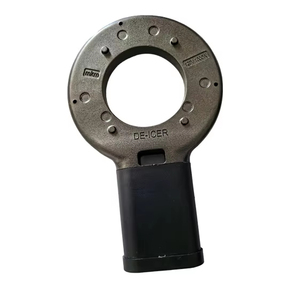
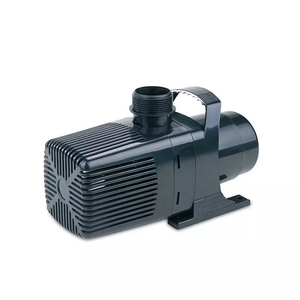

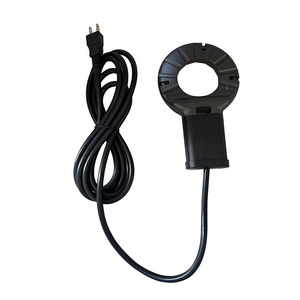
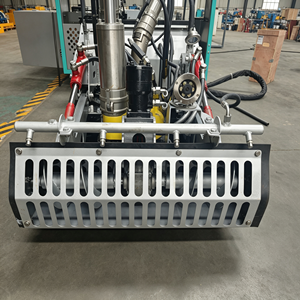
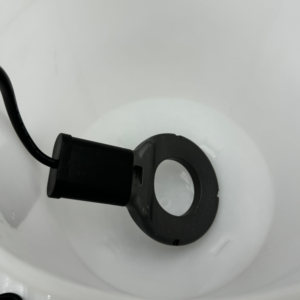
Utilizes structural-grade cast aluminum alloys with high thermal conductivity to rapidly transfer heat without creating localized hot-spots that damage plastic tanks or harm aquatic life.
Automated micro-thermostatic switches turn elements on at 35°F (1.6°C) and off at 45°F (7.2°C), slashing electrical consumption by up to 62% during volatile freeze-thaw cycles.
Combines targeted low-wattage resistance heating with high-volume directional water movement to elevate warmer 4°C bottom water to the frozen surface, preventing ice cap sealing.
Managing open water reservoirs, agricultural livestock tanks, municipal retention ponds, and commercial water bodies across the Moscow Oblast presents unique thermal dynamic and physical challenges. Moscow experiences severe continental winter conditions, with ambient temperatures routinely plummeting below -20°C and occasionally reaching critical thresholds of -35°C. When ice caps seal a pond’s surface, it triggers rapid ecological degradation: oxygen transfer halts, toxic gases (hydrogen sulfide and methane) build up from anaerobic decomposition, and structural damage occurs to surrounding docks, seawalls, and intake infrastructure. As an authoritative OEM/ODM manufacturer with over six decades of specialization in aquatic management equipment, our export solutions combine advanced fluid dynamics, thermostatic control, and rugged material science tailored specifically to cold-climate regional requirements.
Key Strategic Insight for Buyers in the Moscow Market: Effective de-icing is not merely about raw heat generation; it relies on leverage of water’s anomaly—utilizing high-efficiency submersible impellers to draw the denser, warmer 4°C (39°F) water layer from the pond floor to the surface, reducing electrical power draw by up to 75% compared to static heating elements.
During the onset of a Russian winter, water bodies undergo intense thermal stratification. Because fresh water reaches its maximum density at 4°C (39.2°F), colder water (0°C to 3°C) floats toward the surface where it freezes into solid ice sheets. In shallow livestock troughs, decorative estate lakes, and municipal water features around Moscow, complete ice coverage prevents sunlight penetration and seals off atmospheric re-aeration.
Underneath a continuous ice sheet, biological oxygen demand (BOD) rapidly exhausts dissolved oxygen reserves. Fish, aquatic flora, and aerobic beneficial bacteria die, causing catastrophic winter fish kills and toxic muck accumulation. Our OEM submersible pond de-icers and directional surface aerators prevent ice formation by introducing two concurrent physical forces: thermo-convective vertical mixing and continuous surface agitation. By continuously moving warmer bottom water upward, a single 1/2-horsepower submersible de-icer can maintain a open water hole up to 15-20 meters in diameter even when ambient air temperature holds at -25°C.
Exporting industrial and agricultural de-icers to Moscow requires rigorous engineering customization to meet local electrical, environmental, and operational parameters. Generic off-the-shelf de-icers frequently fail due to cord brittleness, shaft seal degradation, or thermal overload under sustained heavy freeze.
A. Advanced Metallurgical & Coating Selections: Standard stainless steel alloys (like 304) can suffer from localized pitting when exposed to agricultural runoff or mineral-dense water. Our OEM factory utilizes heavy-gauge cast aluminum housings treated with fluoropolymer coatings, alongside marine-grade 316 stainless steel motor canisters. Cast aluminum provides an exceptional heat transfer rate (approx. 200 W/m·K), ensuring that internal heating elements quickly dissipate energy into the surrounding water without creating hot spots that could rupture polyethylene stock tanks.
B. Cold-Resistant Elastomers & Cable Systems: Standard PVC power cords become extremely brittle below -10°C, risking cracking, water ingress, and short circuits. Our Moscow-bound OEM exports feature custom H07RN-F synthetic rubber or cold-climate neoprene power cables that maintain flexibility and structural integrity down to -40°C. Shaft seals are upgraded to dual silicon-carbide mechanical seals housed in an oil-filled chamber to prevent ice crystal abrasion.
C. Intelligent Energy Management & Thermostatic Controls: Electrical energy costs during long 5-month Moscow winters are a critical operational concern for farm managers and commercial property operators. Our smart OEM/ODM units incorporate bi-metallic or NTC thermostatic sensors embedded directly within the sealed aluminum housing. The system monitors ambient water temperature, activating power only when water drops toward freezing (1.6°C) and disengaging once the localized zone reaches 7.2°C, preventing unnecessary power consumption during mild spells.
The versatility of our submersible de-icing and underwater dredging technology addresses diverse commercial intent across the Moscow region:
Agricultural Livestock Hydration: Moscow dairy and poultry farms require reliable, non-freezing water supplies 24/7. Ice-free water stock tanks ensure cattle and poultry maintain optimal body temperature and hydration, directly impacting milk yield and growth rates. Our 800W thermostatic submersible utility heaters and cast aluminum de-icers sit safely at the bottom of stock tanks, protected by heavy-duty anti-chew cord guards.
Municipal Parks & Decorative Urban Ponds: Public parks and commercial real estate projects in Moscow feature extensive artificial lakes and fountains. Left unmanaged, expansive ice sheets exert thousands of kilograms of lateral pressure against concrete retention walls and fountain nozzle assemblies. Utilizing floating or dock-mounted de-icers creates ice-free buffer zones around critical infrastructure while sustaining overwintering waterfowl populations.
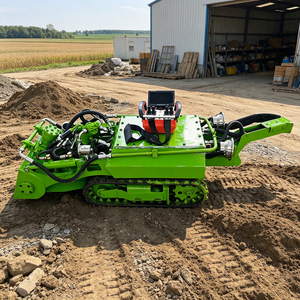
Industrial Silt & Sludge Removal (Dredging Robotics): Winter sedimentation build-up reduces pond volume and accelerates oxygen depletion. In tandem with thermal de-icing, our remote-controlled underwater crawler robots equipped with high-torque desilting brushes and slurry pumps operate beneath open water zones. They remove accumulated organic muck, oil tank sludge, and river silt without requiring complete draining or heavy land-based excavators.
To assist procurement managers, municipal engineers, and agricultural importers in specifying the correct submersible units for Moscow projects, the following technical benchmark details operational parameters across our primary product classes:
| Equipment Category | Motor Power / Wattage | Max Flow / Open Area | Ideal Application | Key OEM Customizations |
|---|---|---|---|---|
| Cast Aluminum De-Icer | 250W - 800W / Thermostatic | Up to 8m Open Hole | Livestock Troughs, Bird Baths, Small Ponds | PTC Thermostat, Anti-Chew Guard, 220V/50Hz CE |
| Submersible Slinger/Mixer De-Icer | 1/2 HP - 1.5 HP (370W - 1100W) | Up to 25m Diameter Open Water | Marinas, Docks, Large Municipal Ponds | 316SS Propeller, Multi-Angle Dock Mount, Cold Cable |
| High-Capacity Aeration Pump | 15,000 L/H Capacity | Continuous Water Circulation | Fisheries, Retention Basins, Aquaculture | Non-Clogging Vortex Impeller, Ceramic Shaft |
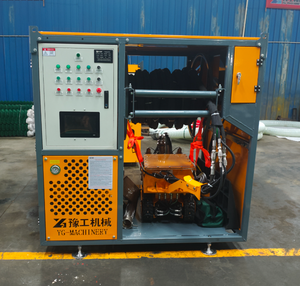
| Underwater Crawler Dredging Robot | Hydraulic/Electric Dual Drive | Sludge Removal up to 50 m³/h | Industrial Settling Ponds, River Sludge | HD Camera, Remote Control, Heavy Duty Brush |
All OEM/ODM equipment produced at our manufacturing facility undergoes stringent quality control procedures before international dispatch. Operating in strict accordance with ISO 9001 quality management systems, our submersible motors undergo 100% pressure-leak testing underwater at 3 atmospheres (30 meters depth equivalent) to guarantee IP68 hermetic sealing.
Furthermore, exported electrical units destined for the Eurasian Customs Union (EAC certification compliance for Russia/Moscow) feature reinforced double-insulated wiring, flame-retardant internal resins, and CE-marked electromagnetic compatibility (EMC) filters. Our 60-year manufacturing legacy ensures every component—from the precision-balanced stainless steel impellers to the ceramic shaft bearings—is built for multi-season longevity with zero maintenance requirements in hostile cold-water environments.
Expert technical answers regarding winter logistics, regional electrical requirements, installation depth, and freeze-thaw protection.
Our de-icers are specifically engineered for extreme sub-zero continental climates. Rather than relying solely on electrical resistance heat, our units utilize high-efficiency underwater impellers that draw the warmer 4°C water from the bottom of the pond and push it continuously to the surface. This physical thermo-convective movement prevents ice crystals from bonding, maintaining open water zones even during sustained -30°C to -35°C freeze events.
Yes. All OEM/ODM orders exported to Moscow are built to operate seamlessly on 220V-240V / 50Hz single-phase or 380V three-phase electrical grids. We supply cold-weather rubber power cords (H07RN-F rating) fitted with standard Type F (Schuko) plugs or custom industrial connectors. Our components comply with CE and EAC safety standards with IP68 waterproof ratings.
Static trough heaters (like our 800W cast aluminum units) are designed for enclosed volumes such as livestock water tanks or small bird baths; they heat the water directly to prevent freezing. Propeller-driven de-icers (slinger/mixer types) are designed for natural ponds, lakes, and docks; they move vast volumes of water upward without requiring massive power consumption, creating large ice-free openings across open water bodies.
Yes. Our underwater crawler desilting robots are built with IP68 sealed chassis and heavy-duty tracks designed to operate along pond bed sediment regardless of surface conditions. As long as a localized entry hole is maintained using one of our submersible de-icers, the crawler can be deployed underwater via remote control to clear organic sludge, silt, and industrial sediment all winter long.
We provide comprehensive OEM/ODM services, including custom brand logo laser etching, custom color powder-coating on metal housings, specialized power cord lengths (10m, 20m, 30m, or 50m heavy-duty rubber cables), bespoke thermostatic temperature setpoints, localized packaging design, and Russian-language instruction manuals and warranty documentation.
Standard OEM product batches generally complete manufacturing within 10 to 15 business days. Once ready, goods ship directly from our factory via sea/rail multimodal logistics or air freight to Moscow hubs. Standard catalog orders ship within 3 business days, with full commercial export documentation (Certificate of Origin, Commercial Invoice, Packing List) provided.
Combining American engineering heritage with cutting-edge OEM manufacturing capabilities to deliver uncompromised aquatic quality worldwide.
By eliminating middleman markups, our direct factory partnership guarantees competitive wholesale pricing, custom engineering flexibility, and direct technical support from the engineers who design the equipment.
Every unit undergoes multi-point operational testing, including dynamic balancing, dielectric insulation strength tests, and hyperbaric waterproof chamber verification to ensure zero field failures in sub-zero environments.
Engineered with energy-conscious motor designs and high-thrust stainless impellers that maximize fluid displacement while minimizing kilowatt-hour consumption during long winter heating seasons.
Looking for reliable, export-ready aquatic de-icing, aeration, or desilting robotics tailored for the Moscow market? Contact our engineering team today to request technical specs, OEM branding options, and wholesale export pricing.