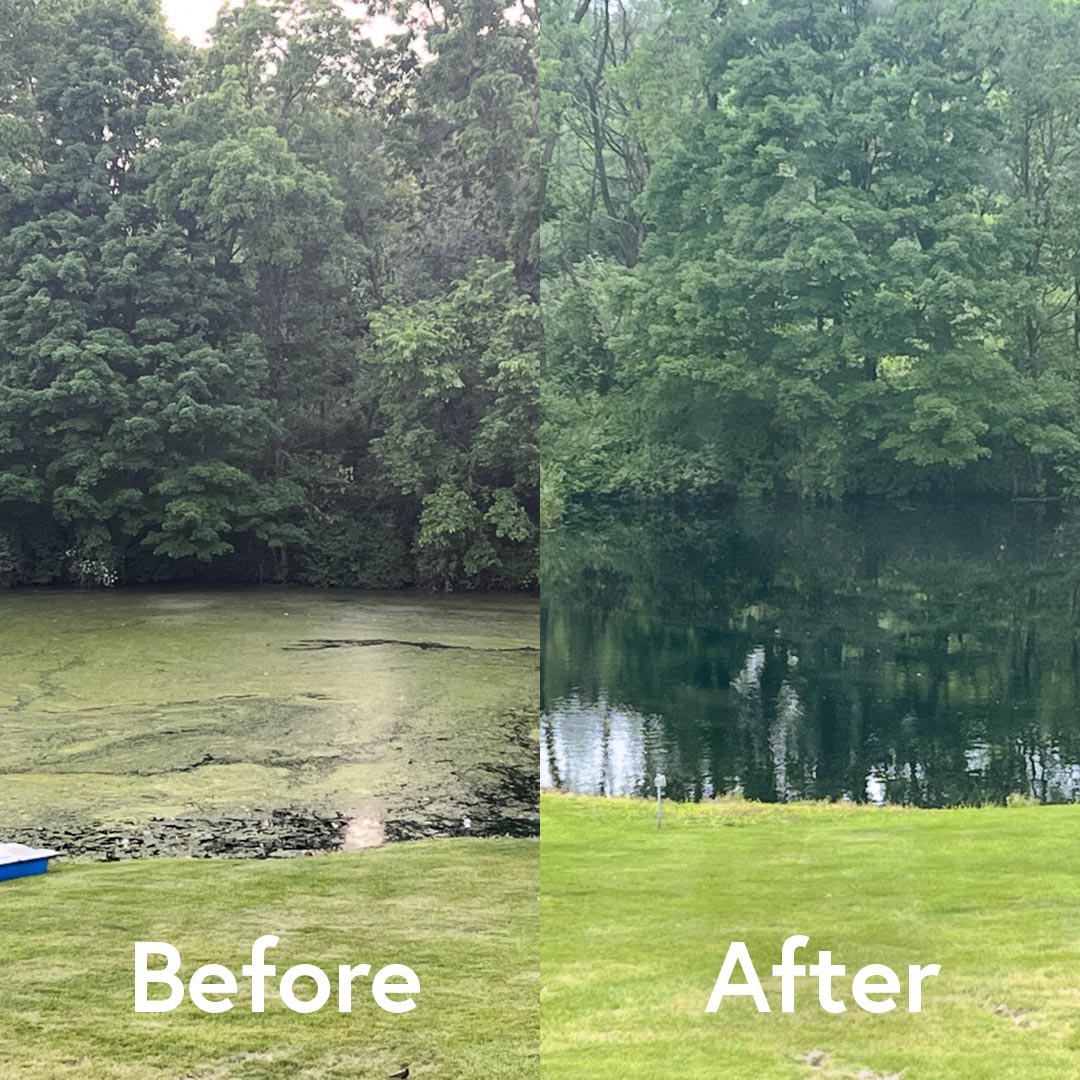
Custom-engineered solutions built to rigorous international standards, serving municipal, commercial, agricultural, and luxury landscaping projects across Japan.


An in-depth guide to overcoming thermal stratification, benthic organic accumulation, and extreme regional climate challenges in Japanese freshwater environments.
Managing freshwater ecosystems in Japan presents a unique matrix of environmental, biological, and structural challenges. From the snow-capped, sub-zero landscapes of Hokkaido and Tohoku to the humid, subtropical summer microclimates of Kyushu and Kansai, aquatic bodies require precisely engineered aeration, circulation, and filtration infrastructure. Professional pond managers, civil engineers, aquaculturists, and traditional Japanese garden architects face stringent municipal water quality mandates alongside severe natural stress factors such as typhoons, seismic shifting, and heavy seasonal algae blooms.
Modern water management has transitioned away from chemical-heavy treatments toward sustainable, mechanical, and biological water quality restoration. When water bodies sit stagnant under the hot Japanese summer sun, thermal stratification naturally occurs. The upper layer (epilimnion) warms rapidly and absorbs atmospheric oxygen, while the bottom layer (hypolimnion) becomes isolated, cold, and oxygen-depleted. This anaerobic zone triggers the rapid decay of leaves, fish feces, and unconsumed feed, releasing bio-available phosphorus and nitrogen into the water column. When sudden summer typhoons overturn these stratified layers, catastrophic fish kills occur due to zero-oxygen surface shocks. Implementing high-performance pond aerators, subsurface bubble diffusers, and specialized muck blasters breaks this stratification, ensuring homogenous dissolved oxygen levels from surface to substrate.
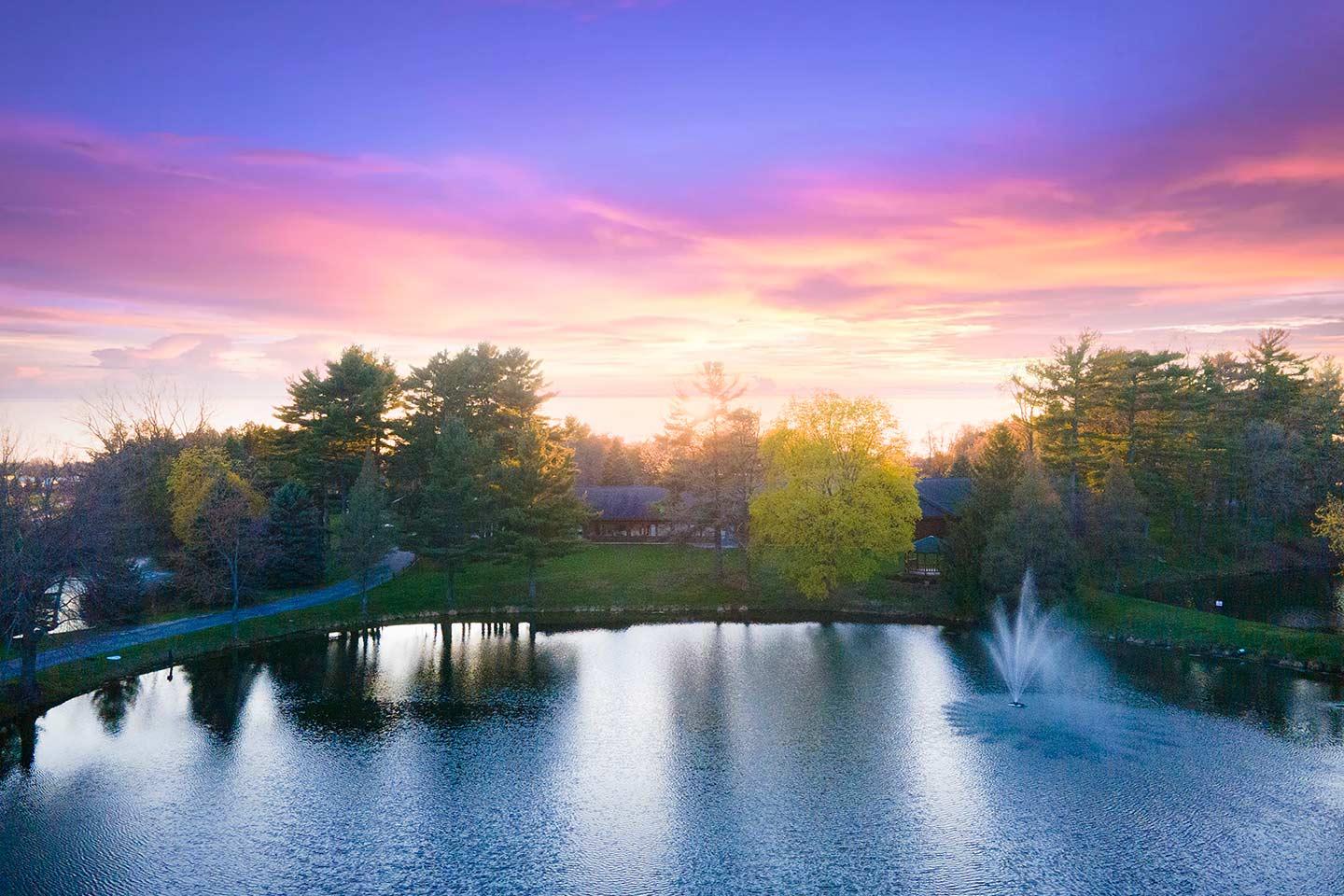
Oxygen is the critical catalyst for natural pond purification. Beneficial aerobic bacteria (*Nitrosomonas* and *Nitrobacter*) rely on dissolved oxygen levels above 5.0 mg/L to efficiently digest biological waste and convert harmful ammonia into harmless nitrates.
Selecting the optimal pond aeration, fountain, or de-icing system depends on water depth, surface acreage, local winter severity, and specific site objectives. The following engineering matrix provides technical guidelines used by our B2B procurement advisors when serving Japanese municipal and commercial buyers.
| Equipment Type | Primary Mechanism | Optimal Depth | Key Japanese Application | Power & Grid Compatibility |
|---|---|---|---|---|
| Subsurface Diffused Aeration | Bottom-mounted membrane diffusers pumping micro-bubbles upward | 2.5m – 10.0m+ | Deep lakes, commercial aquaculture, reservoir water quality control | 50Hz / 60Hz single or 3-phase options |
| High-Volume Surface Aerators | High-rate axial flow impellers pushing water into surface boil patterns | 0.8m – 3.0m | Nishikigoi breeding farms, shallow retention ponds, agriculture | Continuous duty thermal-protected motors |
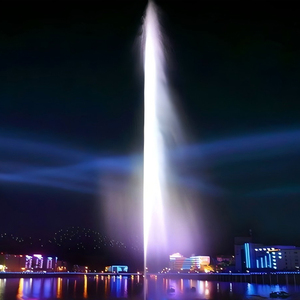
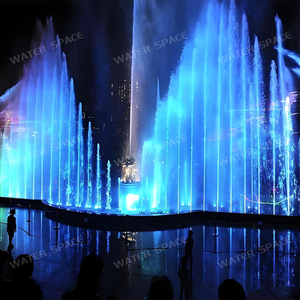
| Decorative Aerating Fountains | Vessel spray nozzles combining aesthetic water displays with surface aeration | 1.2m – 5.0m | Golf courses, resort lakes, traditional garden ponds, public plazas | IP68 Stainless Steel LED / RGB laser integrated |
| AquaSweep® Muck Blasters | High-velocity directional thruster creating concentrated bottom currents | 0.6m – 2.5m | Beach shorelines, marina slips, Japanese dock pontoon clearance | Dock mount, floating, & 360° oscillating options |
| Heavy-Duty De-Icers | Thermal circulation raising warm deep water (4°C) to open surface ice pockets | 1.0m – 4.0m | Hokkaido marina docks, cold-region fish wintering basins, boathouses | Submergible thermostatic control, anti-freeze rated |
From historic temple grounds to modern commercial aquacultures, our equipment is built to seamlessly integrate with Japanese civil engineering and architectural standards.
Niigata and Hiroshima are world-renowned for high-density Koi aquaculture. Maintaining exceptional dissolved oxygen levels (DO > 7.0 mg/L) and rapid turnover rates is vital for protecting fish health and skin radiance. Our high-capacity surface aerators and quiet subsurface diffusers provide constant circulation without causing physical tail shear or stressful turbulence.
Historic Japanese gardens (such as those in Kyoto and Kanazawa) feature shallow ponds with delicate aquatic foliage and historical stonework. Our subsurface aeration units sit hidden beneath the water line, maintaining immaculate clarity, clarity for ornamental bridge reflections, and sludge removal without unsightly surface hardware.
Northern Japanese ports, lakes, and aquaculture ponds experience severe freezes that cause structural dock damage and fish asphyxiation. Our submergible de-icers utilize thermodynamic water movement to push 4°C bottom water to the surface, maintaining ice-free zones around marina floating pontoons, boat lifts, and fish pens even in -15°C ambient temperatures.
Densely populated urban centers like Tokyo and Osaka rely on underground and surface detention basins to mitigate heavy typhoon runoff. Stagnant detention water breeds mosquitoes and emits foul odors. Installing automated surface aerators keeps stormwater oxygenated, preventing anaerobic bacterial decay and satisfying Japanese Ministry of the Environment compliance.
Prestigious Japanese golf courses and luxury hot-spring (Onsen) resorts demand flawless water aesthetics. Our custom floating fountains feature precision stainless steel nozzles paired with IP68 RGB laser lighting systems, delivering stunning high-jet water choreography while continuously oxygenating water hazards to prevent duckweed and filamentous algae.
Explore how our heavy-duty marine hardware, de-icing motors, and decorative aeration features provide multi-season performance for professional suppliers in Japan.
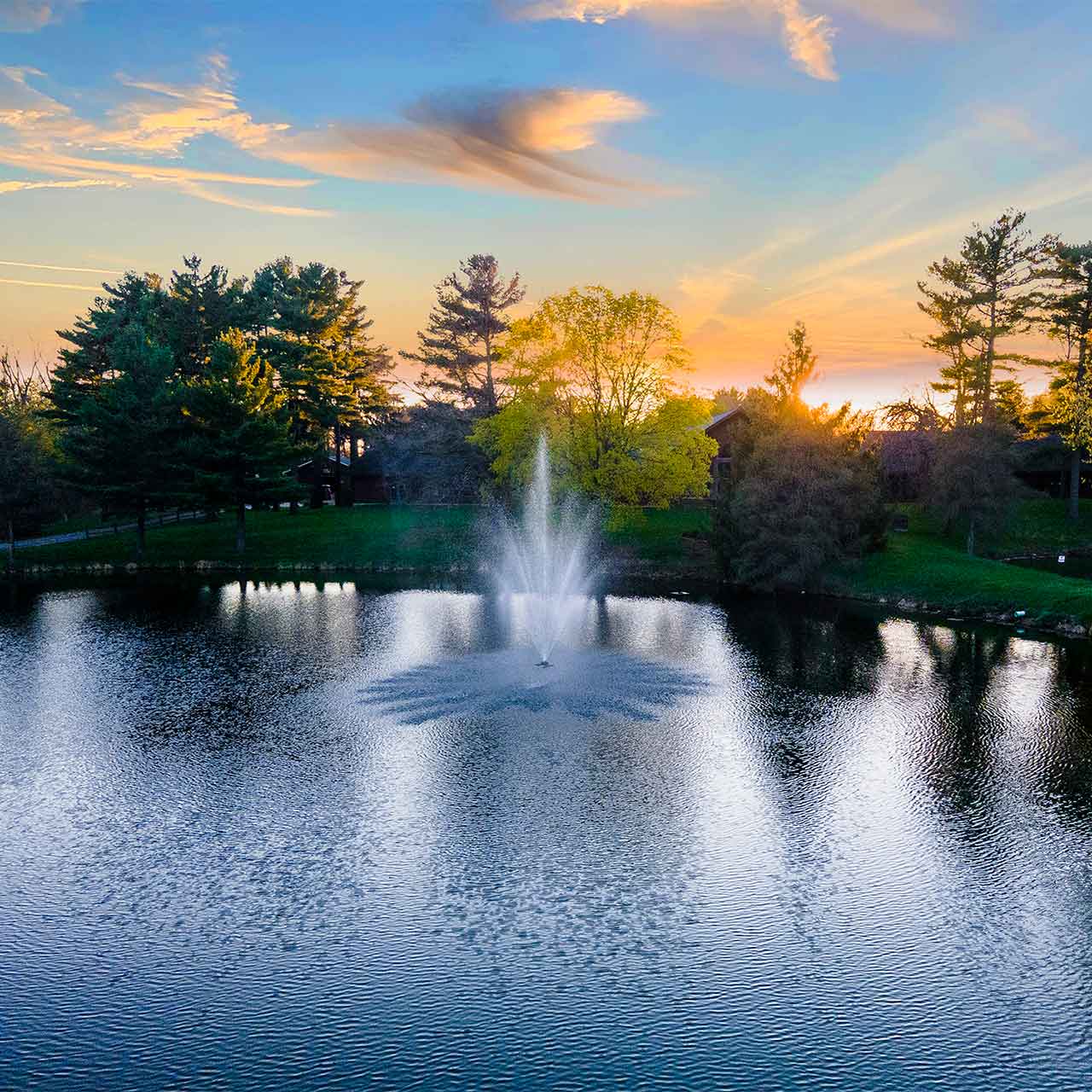
Manufactured with continuous-duty oil-cooled motors, our fountain systems produce intricate spray patterns (such as Amherst, Triad, and Great Lakes) while introducing substantial dissolved oxygen through surface splash re-aeration.
Designed with marine-grade stainless steel housings, these units resist corrosion in brackish coastal waters and high-mineral inland ponds alike. Quick-disconnect power cables streamline installation and winterizing procedures.
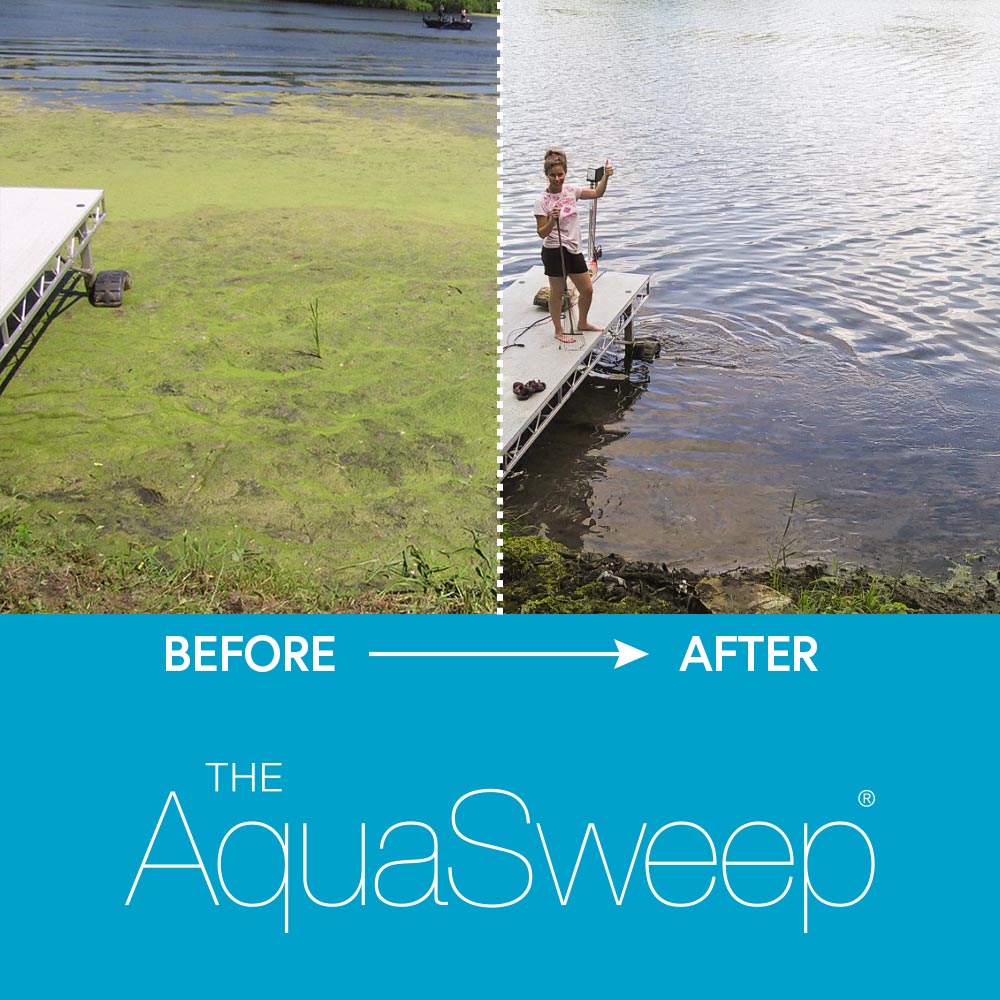
Silt and organic muck accumulation is one of the most difficult challenges facing Japanese lakefront properties and commercial fish ponds. Traditional dredging is costly, destructive, and requires heavy environmental permitting.
The AquaSweep® thruster pushes muck, silt, and decaying organic debris away from beaches, dock slips, and swimming areas using a continuous high-velocity water current. When equipped with an automated 360° oscillator, a single unit can clear up to 50 meters of waterfront without manual repositioning.
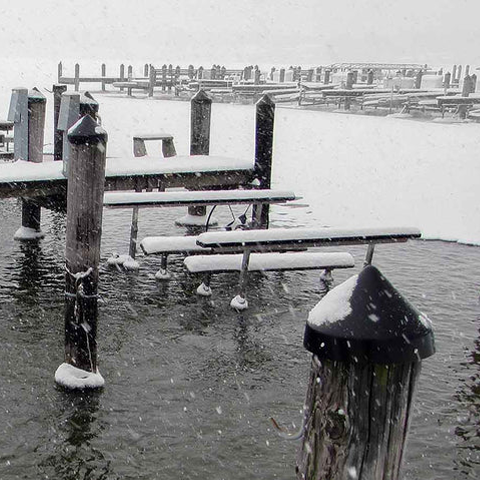
When winter ice forms over shallow ponds and marine slips, it exerts thousands of kilograms of expansion pressure against dock cleats, pilings, and retaining walls. Furthermore, thick ice traps toxic organic gases under water, suffocating overwintering fish.
Our heavy-duty de-icers utilize energy-efficient submerged motors to pump warm bottom water to the surface, creating a constant ring of open water. Engineered with thermostatic controls, the unit automatically engages only when temperatures dip near freezing, maximizing energy conservation.
Japan’s Ministry of the Environment has established strict Environmental Quality Standards for Water Pollution (EQS), emphasizing the reduction of Chemical Oxygen Demand (COD) and total phosphorus in public lakes and waterways. Japanese commercial buyers increasingly prioritize four key technology pillars:
With electricity costs being a major operational factor in Japan, aeration equipment must utilize high-power-factor motors with low operational wattage. Our system impellers are CAD-optimized to deliver maximum GPM (gallons per minute) water movement per watt consumed.
Japanese public water bodies heavily restrict chemical algaecides due to downstream municipal water supply risks. Biological aeration paired with eco-friendly enzyme biologics accelerates natural organic degradation without introduce synthetic toxins.
Floating fountains and aerators deployed in Japan must withstand sudden high-wind events and wave action. Stainless steel dock brackets, heavy-duty mooring cleats, and flexible submersible cables ensure structural integrity during extreme weather events.
Addressing the core technical, electrical, and logistical inquiries from Japanese buyers, importers, and engineering contractors.
Japan operates under a unique split-frequency electrical system: 50Hz in Eastern Japan (Tokyo, Hokkaido, Tohoku) and 60Hz in Western Japan (Osaka, Nagoya, Kyushu). Our commercial motors are engineered with dual-frequency windings and thermal overload protection to ensure efficient, cool-running operation regardless of your project's regional power grid configuration.
While surface fountains add visual appeal and top-layer aeration, subsurface diffuser systems are far superior for deep water bodies (over 2 meters). Subsurface diffusers release fine micro-bubbles at the lake floor, initiating an upward convective current that destratifies the entire water column without creating high surface turbulence that can stress valuable Nishikigoi or damage delicate water plants.
Yes. All metal hardware components, including floating pontoon brackets, dock cleats, motor cans, and fastener assemblies, are fabricated from marine-grade stainless steel or anodized marine structural aluminum. They are tested to withstand brackish water and salt spray typical of Japan’s extensive coastline and coastal bays.
Absolutely. We provide specialized dock brackets and mounting assemblies designed specifically for floating pontoons, fixed wooden docks, and steel pipe pilings. The quick-adjust mounting system allows operators to alter the angle and depth of the current generator to target specific silt accumulation zones.
Standard catalog orders generally ship from our central manufacturing facility within 3 business days. For customized B2B orders or specialized voltage configurations serving Japan, air freight delivery typically arrives within 5–7 business days, while ocean container shipments take approximately 2–3 weeks depending on port routing.
When a pond freezes over entirely, toxic gases (like methane and hydrogen sulfide) produced by bottom sludge decay become trapped beneath the ice while oxygen is depleted. De-icers maintain open water holes, allowing gas exchange to occur naturally. This ensures adequate oxygenation and light penetration for aquatic life without warming the water to dangerous levels.
Partnering with a direct equipment manufacturer guarantees access to genuine parts, custom engineering support, and rigorous quality assurance.
Since 1963, our manufacturing facility has designed, tested, and assembled high-efficiency aquatic water management gear built to survive the harshest environments. Unlike re-sellers or assemblers, we maintain complete control over motor winding, housing metallurgy, impeller balance, and electronic testing.