
Explore our heavy-duty aeration machinery, fountain engineering, underwater robotics, and custom dock hardware manufactured for high performance across Portugal and Europe.
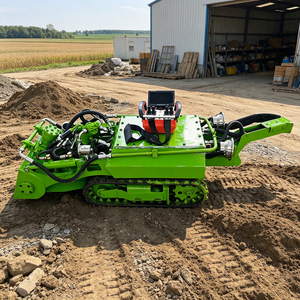
Automated underwater desilting robot engineered for precise sludge clearance in commercial aquaculture ponds, industrial lagoons, and agricultural reservoirs.
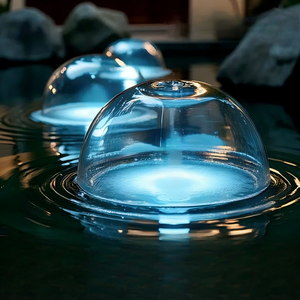
Precision-machined 304 stainless steel fountain nozzle delivering clear bell spray patterns for resort lakes, municipal parks, and commercial water features.
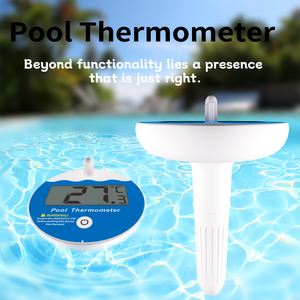
Ruggedized underwater digital thermometer with high-precision sensors and enhanced waterproof seals, designed for thermal monitoring in pools and hydro-tanks.
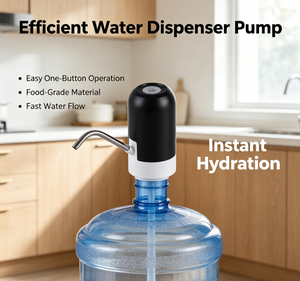
Compact food-grade electric water dispensing pump engineered with energy-efficient micro-motors for portable fluid movement and high-frequency utility usage.
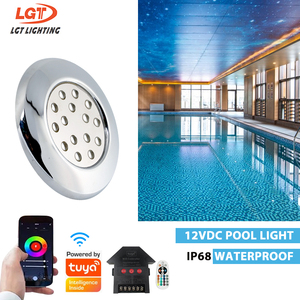
Fully submersible marine-grade SS316 underwater LED lighting system featuring dynamic RGB spectrum control for architectural fountains and commercial pools.
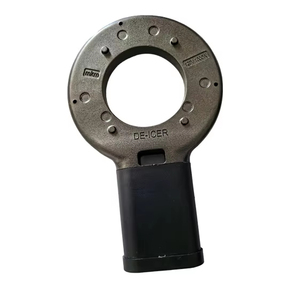
Heavy-duty thermostatic underwater heating unit engineered to prevent surface ice formation in open agricultural water tanks and cold-climate retention basins.
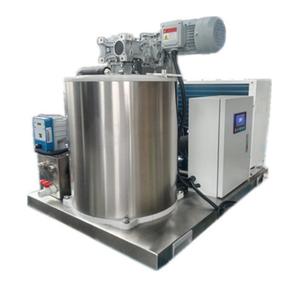
High-capacity continuous flake ice generator manufactured for commercial fishery preservation, seafood processing logistics, and industrial cooling applications.
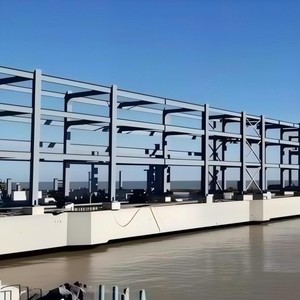
Corrosion-resistant structural steel mounting brackets designed for heavy aerator installation, floating dock anchoring, and marina framework stability.
Understanding thermal stratification, oxygen depletion dynamics, and fluid mixing principles across Portugal's unique climate zones.
In Mediterranean regions such as Southern and Central Portugal (including the Alentejo agricultural belt, the Douro River basin, and the Algarve coastal plains), water management professionals face severe ecological and operational challenges during extended hot summers. High ambient temperatures exceeding 38°C combined with low precipitation trigger intense thermal stratification in static water bodies, reservoirs, and aquaculture facilities.
Thermal stratification splits a water body into three distinct thermal zones:
Unlike surface aerators that splash water into the air to add oxygen only at the surface, Subsurface Aeration Systems deploy self-weighted micro-porous membrane diffusers directly at the basin bottom. High-efficiency oil-free compressors push compressed air down to underwater diffuser manifolds, releasing millions of tiny micro-bubbles (typically 1–3 mm in diameter).
As these micro-bubbles ascend through the water column, two primary physical mechanisms occur:
The efficiency of subsurface aeration increases exponentially with depth due to prolonged bubble contact time and higher hydrostatic pressure at the bottom. Below is an engineering performance benchmark chart:
| Water Depth (Meters) | Hydrostatic Pressure (Bar) | Bubble Contact Time (Sec) | Oxygen Transfer Efficiency (%/m) | Destratification Flow Rate (Liters/Min/Diffuser) |
|---|---|---|---|---|
| 2.0 m (Shallow Basin) | 1.20 bar | ~ 6.5 sec | 4.2% / m | 1,850 L/min |
| 4.0 m (Standard Reservoir) | 1.40 bar | ~ 13.0 sec | 6.8% / m | 3,900 L/min |
| 6.0 m (Deep Irrigation Basin) | 1.60 bar | ~ 19.5 sec | 9.5% / m | 6,400 L/min |
| 10.0+ m (Industrial Dam/Lake) | 2.00+ bar | ~ 32.0 sec | 14.1% / m | 11,200 L/min |
Built directly in Holland, Michigan, USA since 1963 — Delivering bulletproof underwater circulation systems, industrial aeration, and heavy-duty water treatment hardware.
Manufactured with high-grade marine 316 stainless steel housings and non-clogging self-cleaning EPDM membrane diffusers designed to withstand harsh mineralized, brackish, and high-salinity water conditions without scaling or bio-fouling.
Equipped with eco-friendly oil-free rocking piston and rotary vane compressors engineered for 24/7/365 continuous operation with thermal overload protection and whisper-quiet acoustic insulation cabinets.
Full CE certification with dual-frequency voltage support (230V Single-Phase / 400V Three-Phase 50Hz) tailored specifically for connection to Portuguese grid standards and solar microgrid arrays.
From dry agricultural zones in Alentejo to luxury resort lagoons in Algarve and aquaculture farms in Douro, our systems deliver site-specific solutions.
Alentejo houses thousands of artificial irrigation reservoirs feeding olive orchards, vineyards, and intensive agriculture. During summer droughts, stagnant reservoirs experience massive cyanobacteria blooms, clogging drip-irrigation filters and fouling pumps. Subsurface diffusers keep bottom sediment aerobic, preventing phosphorus release and microcystin toxic blooms while keeping irrigation water crystal clear.
Luxury golf courses in Quinta do Lago, Vilamoura, and Sintra require pristine lake aesthetics without noisy surface splash aerators disturbing high-end guests. Subsurface bottom diffusers quietly circulate hundreds of thousands of gallons daily, digesting organic bottom muck, eliminating foul hydrogen sulfide odors, and clarifying water features naturally.
In high-density aquaculture operations along the Douro Valley, Sado Estuary, and Ria Formosa, maintaining dissolved oxygen (DO) levels above 6.5 mg/L is critical to prevent mass fish stress and mortality. Continuous subsurface aeration elevates DO uniform across deep water columns, accelerating fish growth rates and optimizing feed conversion ratios (FCR).
Portugal’s world-renowned wine (Douro, Alentejo, Dão) and olive oil production generates organic-rich process wastewater with high Biological Oxygen Demand (BOD5) and Chemical Oxygen Demand (COD). Our heavy-duty industrial subsurface aeration systems rapidly accelerate aerobic bacteria breakdown of organic solids prior to environmental discharge.
Water management infrastructure in Portugal is undergoing rapid modernization driven by strict European Union ecological directives, regional water scarcity, and national sustainability programs:
Portuguese municipal water authorities, river basin authorities (APA - Agência Portuguesa do Ambiente), and agricultural managers are legally required to achieve "Good Ecological Status" for surface water bodies. Subsurface aeration is recognized as a chemical-free, non-invasive remediation technology that restores natural dissolved oxygen balance, reduces sediment oxygen demand (SOD), and prevents toxic cyanobacteria without adding copper sulfate or synthetic algaecides.
With Portugal boasting over 2,800 to 3,200 peak sunshine hours annually—one of the highest solar irradiance levels in Europe—agricultural producers across rural interior Portugal are aggressively adopting Solar-Powered Direct-Drive Subsurface Aerators. Our systems integrate seamlessly with photovoltaic solar arrays and battery banks, operating 100% off-grid to eliminate electricity costs in remote farms.
Answers to essential technical, logistics, compliance, and warranty questions for engineers, distributors, and farm operators importing to Portugal.