
Engineered for relentless continuous-duty operation across Osaka’s municipal reservoirs, maritime ports, and industrial processing basins.
The Kansai region—anchored by Osaka's dense industrial complexes, historic urban canal systems, and maritime port facilities—faces complex challenges regarding benthic organic sludge accumulation and aquatic thermal stratification. Ponds, stormwater retention basins, commercial docks, and industrial wastewater lagoons across Osaka Prefecture suffer from progressive muck buildup caused by high nutrient inputs, industrial run-off, and warm summer ambient temperatures.
Benthic sludge is primarily composed of decaying organic material, unoxidized minerals, micro-particulate waste, and bio-floc accumulation. In calm or uncirculated water bodies, this layer undergoes anaerobic decomposition. This process yields toxic hydrogen sulfide gas ($H_2S$), elevated ammonia concentration ($NH_3$), and severe dissolved oxygen depletion at the sediment-water interface. The resulting water quality degradation leads to noxious odors, toxic algal blooms, fish kills, and compromised hydraulic storage capacity in critical municipal and industrial infrastructure.
Technical Paradigm Shift: Traditional physical dredging in Osaka's industrial zones costs up to ¥15,000–¥25,000 per cubic meter, requiring heavy permits, land transport disposal fees, and operational shutdowns. Continuous hydrodynamic sludge displacement and benthic oxygenation cut operational overhead by up to 75% while maintaining continuous basin availability.
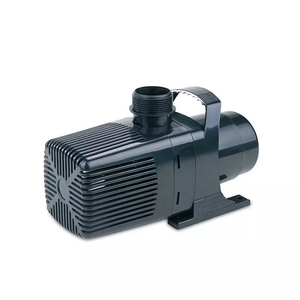
To eliminate sludge buildup without invasive mechanical dredging, modern environmental engineering utilizes high-velocity prop-driven muck agitation combined with targeted surface and subsurface aeration. By generating a continuous directional fluid current along the benthic layer, equipment like the AquaSweep® sediment blaster prevents suspended organic particles from settling into stagnant sludge beds. Concurrently, it re-aerates the bottom water layer, accelerating aerobic digestion by indigenous bio-bacteria.
Aerobic decomposition digests organic muck up to 20 times faster than anaerobic decay. By raising Dissolved Oxygen (DO) levels above 5.0 mg/L near the lake bottom, complex carbon bonds in organic sediment are rapidly converted into odorless carbon dioxide ($CO_2$) and stable mineral ash, permanently reducing benthic sediment depth.
Our engineered sludge agitation pumps, floating fountains, and de-icing aerators are customized to withstand the specific hydrological conditions and electrical standards (60Hz supply) of the Kansai regional grid.
Saline-resistant AISI 316 stainless steel AquaSweep® agitators keep ship berths, ferry terminals, and marina slips along Nanko Ward and Osaka Bay free from heavy silt deposits, marine growth sedimentation, and organic floating debris.
Severe BOD/COD loadings in industrial wastewater equalization tanks in Sakai and Higashiosaka require robust, non-clogging surface aerators and bottom mixers to prevent solids drop-out, sulfide gas generation, and crusting.
Low-profile, quiet subsurface diffused aeration and decorative aerating fountains serve Osaka Castle Park moats and city retention channels, preserving aesthetic heritage while eliminating stagnation and duckweed proliferation.
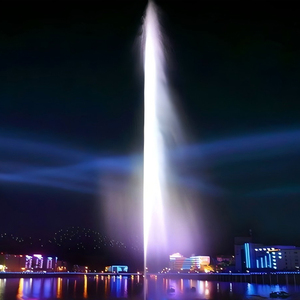
Display fountains combined with bottom aerators maintain mirror-like water clarity in luxury golf resorts across Minamikawachi and Suita, suppressing unsightly filamentous algae without over-reliance on chemical algaecides.
Engineered high-flow surface aerators circulate tens of thousands of gallons per hour during peak monsoon surges, stabilizing dissolved oxygen and preventing acute fish kills caused by storm sediment flushing.
Off-grid solar pond aeration platforms provide maintenance-free sediment remediation in agricultural irrigation ponds in Southern Osaka Prefecture where grid power extension is economically unfeasible.
Selecting appropriate de-sludging and water aeration hardware demands rigorous evaluation of liquid displacement volumes, oxygen transfer efficiency, motor duty ratings, and lifecycle energy draw. The table below outlines standard operational parameters across our equipment lineup.
| Equipment Classification | Motor Rating (HP) | Flow Capacity (GPM / m³/h) | Standard Voltage (60Hz / Japan) | Primary Sludge Remediation Mode | Target Basin Depth |
|---|---|---|---|---|---|
| AquaSweep® Muck Blaster (Dock Mount) | 1/2 HP – 1 HP | 500 GPM / 113 m³/h | 100V – 230V 1-Phase | High-velocity benthic continuous resuspension | 1.0m – 3.5m |
| AquaSweep® Floating Model | 1/2 HP – 1 HP | 500 GPM / 113 m³/h | 100V – 230V 1-Phase | Open water directional sediment displacement | 1.2m – 6.0m |
| Display Fountain Aerator (Boilermaker) | 1/2 HP – 3 HP | 800+ GPM / 181 m³/h | 200V / 220V 3-Phase | High oxygen transfer & surface turnover | 0.8m – 4.0m |
| Subsurface Diffused Air System | 1/4 HP – 3/4 HP | Air Flow: 2.5–6.0 CFM | 100V – 200V 1-Phase | Bottom oxygen injection & laminar air-lift column | 2.5m – 12.0m |
| Heavy Duty Dock-Mount De-Icer | 1/2 HP – 1 HP | 450 GPM / 102 m³/h | 100V – 220V 1-Phase | Thermal destratification & structural ice defense | 1.0m – 5.0m |
Environmental policies in Osaka Prefecture have tightened significantly in accordance with the Ministry of the Environment's national guidelines and the Osaka Prefectural Pollution Control Ordinance. Compliance with strict Chemical Oxygen Demand ($COD$), Total Nitrogen ($T-N$), and Total Phosphorus ($T-P$) limits for discharge into Osaka Bay requires facility operators to modernize water management systems.
1. Carbon Neutrality & Decarbonization (GX Strategy): Energy-intensive heavy dredging cranes and diesel vacuum trucks emit high carbon volumes. Electric submersible agitators powered by high-efficiency Franklin Electric motors decrease overall carbon footprints while continuously maintaining water capacity.
2. Micro-Plastic & Silt Containment: Port of Osaka regulations enforce strict management of bottom silt disturbance during maintenance operations. Directed hydrodynamic resuspension equipment allows facility managers to process sediment in-situ, preventing contaminated silt plumes from spreading into open bay waters.
3. Resilience Against Extreme Climate Events: High summer temperatures in Kansai cause rapid thermal stratification, accelerating anaerobic bacterial expansion. Installing year-round continuous mixing systems ensures water bodies maintain buffer capacity against sudden organic spikes during heatwaves.
For more than six decades, Scott Aerator has engineered and manufactured industrial water management, aeration, and sediment control systems in Holland, Michigan, USA. Unlike assemble-to-order brokers or light-duty consumer brands, our equipment is built from heavy-gauge American stainless steel designed for decades of immersion in punishing freshwater and saltwater environments.
Our heavy-duty submersible motors are oil-filled and thermally protected, backed by industry-leading warranties that guarantee peace of mind for international buyers.
We provide seamless international export documentation, fast dispatch within 3 business days, and complete customs compliance for shipping directly to Port of Osaka and Kobe Port.
All units exported to Osaka are configured and factory-tested specifically for Japan's Western regional 60Hz power grid (100V, 200V single-phase or 220V/440V 3-phase).
Access precise CAD files, electrical schematics, installation blueprints, and empirical flow charts for effortless integration into local municipal specs.
Traditional dredging mechanically scoops accumulated sediment out of a water body, requiring heavy crane access, trucking, permit approvals from local authorities, and toxic sludge disposal fees. The AquaSweep® works continuously to resuspend organic particles and re-oxygenate the bottom layer. This enables beneficial aerobic micro-organisms to biodegrade the sludge in-situ at a fraction of the cost, without disruption to facility operations.
Yes. For marine installations around Port of Osaka, Nanko, or coastal industrial zones, we supply equipment built with high-grade AISI 316 stainless steel components and sacrificial zinc anodes. This construction resists saltwater corrosion, marine bio-fouling, and chemical oxidation.
Absolutely. Osaka operates on a 60Hz electrical frequency. All of our heavy-duty Franklin Electric submersible motors are engineered, wound, and tested to run seamlessly on 60Hz power at standard Japanese voltages (single-phase 100V/200V or three-phase 200V/440V).
Standard production units typically ship from our Michigan manufacturing facility within three business days of order confirmation. We work with leading international freight forwarders to coordinate air cargo or ocean shipping straight to Port of Osaka or Kansai International Airport (KIX).
Equipment sizing depends on several factors: water surface area, average and maximum depth, current organic loading rate, power availability, and flow requirements. Our engineering team conducts technical assessments—including sizing calculations—to recommend exact horsepower and unit positioning for your site.
While Osaka experiences mild winters compared to northern regions, continuous water movement is highly beneficial year-round. Operating AquaSweep® units or subsurface aerators through winter prevents seasonal water stratification, maintains elevated dissolved oxygen levels, and ensures the benthic layer is preconditioned for spring micro-bacterial activity.
Consult directly with our engineering team to design custom sludge removal, benthic agitation, or fountain aeration configurations tailored to your facility's exact requirements.
Get a Quote