
Engineered to meet rigorous US municipal, commercial aquaculture, and industrial marina specifications with high-velocity directional thrust and heavy-duty corrosion protection.
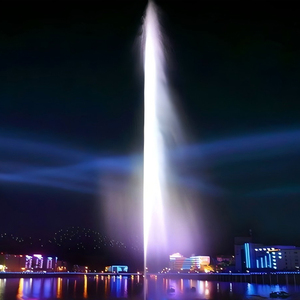
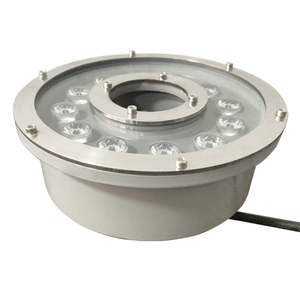
Water current generators—frequently specified as directional flow thrusters, aquatic circulators, or muck blasters—represent a critical category of industrial fluid dynamics equipment designed to disrupt thermal stratification, eliminate anaerobic stagnation zones, and prevent benthic muck accumulation across North American freshwater and marine ecosystems. Unlike vertical aeration display fountains, which focus primarily on surface oxygen transfer via atmospheric contact, directional water current generators utilize submerged, high-thrust axial impellers to propel massive volumes of water horizontally along continuous vectors.
In the United States market, where water management is governed by strict federal standards under the Environmental Protection Agency (EPA) Clean Water Act and localized Municipal Separate Storm Sewer System (MS4) permits, deploying high-efficiency directional current generators is no longer purely aesthetic. It is a vital operational strategy for biological vector control, harmful algal bloom (HAB) prevention, and mechanical ice protection for critical infrastructure.
Engineered with high-pitch pitch stainless steel or glass-filled thermoplastic impellers, our generators achieve maximum thrust (measured in pounds-force per kilowatt) while maintaining a non-clogging profile against submerged weeds, filamentous algae, and aquatic debris.
Utilizing oil-cooled, hermetically sealed NEMA motors rated for continuous 24/7 duty cycles. Featuring double mechanical silicon carbide seals and internal thermal overload protection engineered to operate safely in variable water depths.
Automated electric movement modules rotate the thruster in customizable arcs (from 45° to 360°), expanding a single generator's effective coverage zone up to 400 feet in radius without requiring multiple power drop points.
From the freezing winters of the Great Lakes to the high-temperature aquaculture basins of the American Sunbelt, water current generators deliver vital operational advantages.
In catfish, trout, and bass rearing ponds across Idaho, Mississippi, and North Carolina, water current generators serve a dual function. By creating continuous circular currents, they induce mandatory exercise regimens that improve fish muscle density and feed conversion ratios (FCR). Simultaneously, high-velocity directional flow transports metabolic waste (ammonia and feces) toward central drain points, preventing toxic anaerobic sludge buildup and stabilizing Dissolved Oxygen (DO) levels above 6.0 mg/L during hot summer nights.
During severe freezing conditions across Michigan, Wisconsin, Minnesota, and New York, structural ice buildup exerts immense expansion pressure capable of destroying dock pilings, floating boat lifts, and municipal seawalls. Submerged directional water current generators function as powerful de-icers. By pulling warmer bottom water (density anomaly peak at 39°F / 4°C) upward and sweeping it across the water surface, they prevent ice formation, maintaining large open-water zones around multi-million-dollar maritime assets.
Stagnant water bodies in residential developments across Florida, Texas, and Arizona face aggressive nutrient loading from turf fertilizers, resulting in unsightly duckweed coverage, blue-green algae blooms, and foul hydrogen sulfide (rotten egg) odors. Directional flow generators break up thermal stratification, mixing surface water with oxygen-depleted bottom layers. This continuous circulation fuels aerobic bacteria that digest organic sediment, keeping shorelines clear for swimming and boating without overuse of copper-based algaecides.
Under US EPA MS4 mandates, commercial industrial sites must prevent stagnation and sediment buildup in stormwater retention ponds. Current generators ensure that suspended solids remain suspended for uniform treatment or are systematically directed into sediment traps. In food processing and agricultural lagoons, continuous directional movement prevents solids from hardening into impenetrable surface crusts, ensuring seamless pumping and bio-digestion efficiency.
Comparing performance metrics of traditional surface aerators against high-thrust directional water current generators across key operational parameters.
| Equipment Type | Primary Hydraulic Vector | Effective Distance / Radius | Target Operational Hazard | Energy Draw (HP / Amp Range) |
|---|---|---|---|---|
| Directional Water Current Generator (Muck Blaster) | Sub-surface Horizontal Thrust (0° to 45° angle) | 150 ft – 400 ft continuous current jet | Muck build-up, shoreline algae, winter dock freezing | 0.5 HP – 3.0 HP / 5.0A – 14.2A @ 230V |
| Surface Display Fountain | Vertical Spray & Gravity Falling Cascade | 30 ft – 80 ft visual pattern radius | Surface film, low atmospheric aesthetic appeal | 1.0 HP – 7.5 HP / 8.2A – 28.0A @ 230V |
| High-Volume Boilermaker Aerator | Vertical Axial Upwelling | 50 ft – 100 ft radial plume | Severe hypoxia, rapid summer fish kills | 0.75 HP – 5.0 HP / 6.0A – 21.0A @ 230V |
| Subsurface Bottom Air Diffuser | Micro-bubble Buoyant Plume Rise | Vertical water column mixing (site specific) | Deep lake thermal stratification (>15 ft depth) | 0.25 HP – 1.0 HP Air Compressors |
With rising energy costs and remote deployments in federal parks and ranches, US procurement managers are demanding direct-current (DC) brushless current generators compatible with solar arrays and battery banks. Variable Frequency Drives (VFDs) allow current speed to ramp down during low-solar periods while maintaining continuous destratification.
State environmental agencies across the US are placing stricter caps on copper sulfate and chemical herbicide permits due to bioaccumulation concerns. Directional current generation provides a mechanical, physical remediation alternative that starves invasive aquatic plants of stagnant sediment anchors without chemical runoff.
Modern US commercial buyers expect smart controls. Integrated Wi-Fi/cellular control boxes provide real-time telemetry on motor current draw, winding temperature, operational angles, and sudden impeller jams, enabling facility managers to manage units remotely via smartphone platforms.
Rooted in Holland, Michigan, our manufacturing heritage represents six decades of uncompromised engineering dedicated to pond aerators, fountains, and directional current generators. We do not simply assemble imported parts; we design, test, and build water moving systems engineered specifically for the harsh environmental extremes of North America.
Holland, Michigan Engineering Heritage
Tested under extreme Great Lakes ice and summer thermal conditions to guarantee 24/7 operational reliability.
Send an InquiryDetailed answers regarding electrical configuration, installation depths, winter operation, and regulatory compliance.
A traditional surface aerator or display fountain forces water vertically into the atmosphere to facilitate gas exchange (releasing carbon dioxide and absorbing oxygen) with a localized circular zone of influence. In contrast, a directional water current generator (often called a muck blaster or thruster) uses an axial-flow impeller to push water horizontally along a targeted path. This horizontal current creates continuous circulation across vast distances (up to 400 ft), sweeping away bottom muck, clearing shoreline debris, disrupting thermal stratification, and preventing ice formation during winter.
Our units are engineered to standard US electrical specifications. Residential and light commercial units operate on single-phase 115V or 230V at 60Hz. Large industrial systems are available in 230V or 460V 3-phase configurations. To accommodate deep water or remote bank power drops, we provide factory-molded, heavy-duty marine-grade SJTOW/SEOOW submersible power cables ranging from 50 feet up to 500+ feet with built-in strain relief and quick-disconnect underwater plugs.
Yes. For coastal marinas, salt-marsh channels, or brackish estuaries, we offer specialized saltwater protection packages. These feature passivated 316 stainless steel motor housings, sacrificial zinc or aluminum anodes to protect against galvanic corrosion, and ceramic-coated mechanical shaft seals designed to resist abrasive sand and salt crusting.
We provide three primary mounting systems:
1. Dock Mount / Post Mount: Ideal for shorelines, dock pilings, and seawalls. Allows manual adjustment of pitch angle (up to 45° up/down) and 360° rotational positioning.
2. Floating Mount: Utilizes high-density, UV-stabilized polyethylene floats. Perfect for deep open water, reservoirs, or sites with dramatic water level fluctuations.
3. Submerged Tripod Base: Sits directly on the pond or lake bottom for discreet, out-of-sight operation where surface floats are visually unwanted.
Water expands as it freezes, creating immense lateral pressure that can crush dock pilings and float assemblies. Beneath the ice layer, water remains liquid at roughly 39°F (4°C). A submerged water current generator angled upward toward the surface continuously circulates this warmer bottom water to the surface. The continuous kinetic movement, combined with thermal energy transfer, maintains a wide zone of open, ice-free water around structures even in sub-zero winter temperatures.
Thanks to our robust industrial design, routine maintenance is minimal. We recommend bi-annual inspection of the axial propeller to remove wrapped fishing line or heavy weed fibers, checking sacrificial zinc anodes (in saltwater applications) for erosion, and inspecting the submersible cable jacket for physical abrasion. Motors are factory-sealed for life and do not require periodic oil changes under normal operating conditions.
Speak directly with our US application engineering team to calculate required thrust (lbs-force), evaluate site depth profiles, and receive an instant factory-direct commercial proposal.
Send an Inquiry